Cats
Where Do Feral Cats Go to Die: See Their Final Hideaways
Where do feral cats go to die? Sick feral cats hide in sheltered, quiet spots like brush, sheds or crawl spaces, so their bodies are rarely found.

Why cats do what they do, and what to do about it: litter box trouble, constant meowing, vomiting, hunger, kittens and the habits that puzzle owners.
Where do feral cats go to die? Sick feral cats hide in sheltered, quiet spots like brush, sheds or crawl spaces, so their bodies are rarely found.
Accidentally ran over a cat? Stop safely, take an injured cat to a vet right away, and find the owner. Plus what people believe it means.
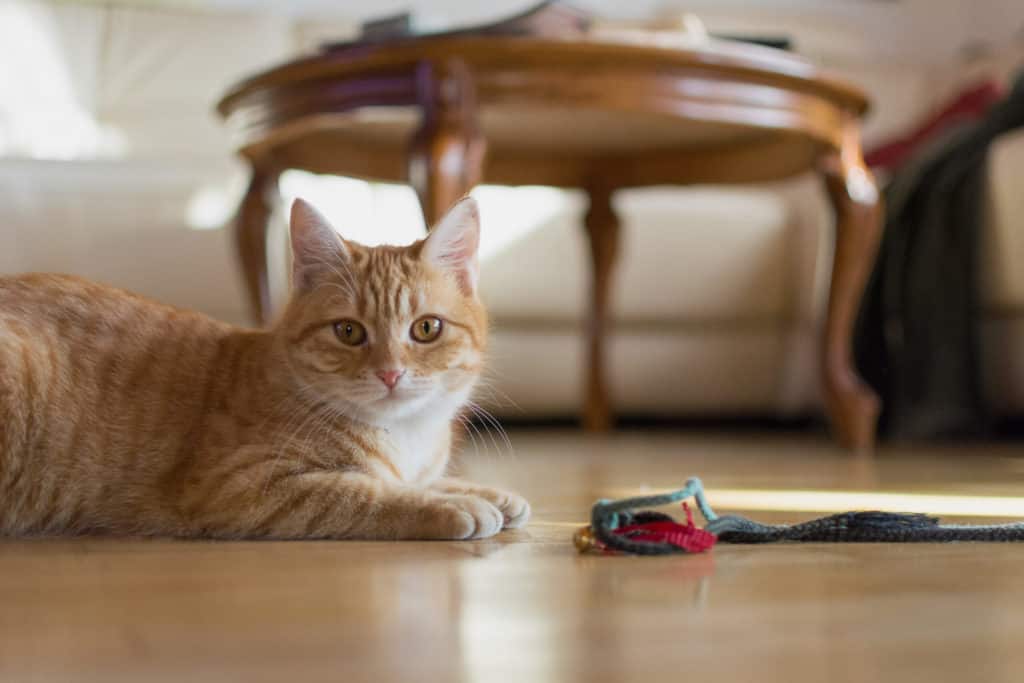
Why do some cats like to be alone? Many enjoy quiet rest but still need company. Learn how to leave a cat alone safely and spot signs of loneliness.
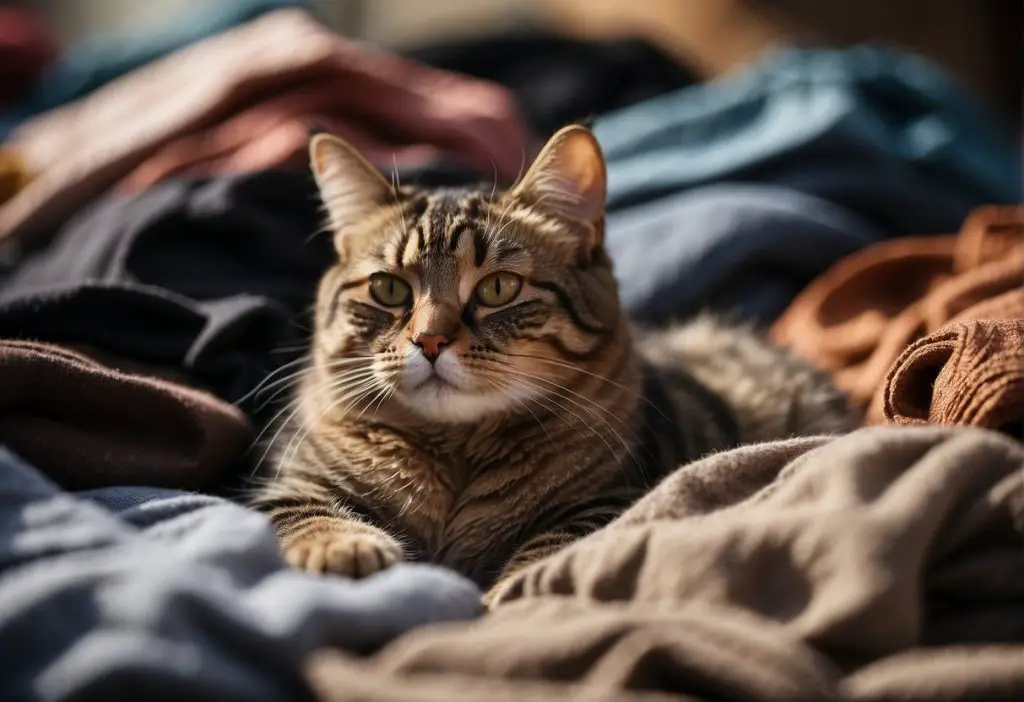
Your cat lays on your clothes because they're soft, warm, and smell like you. Learn what this habit means and how to offer better alternatives.
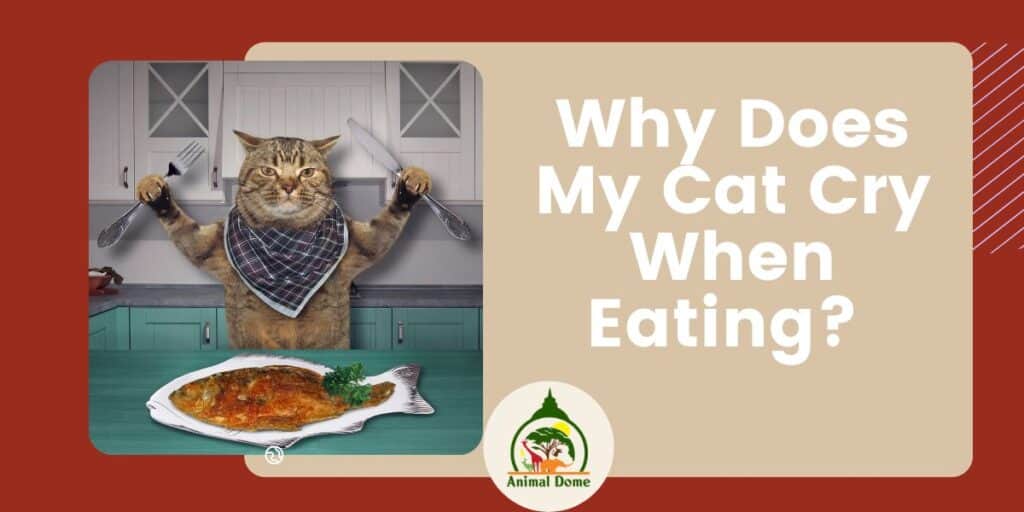
A cat crying when eating is often just meowing for food or attention, but crying or yowling while chewing can mean dental pain. Here's what to check.
A cat peeing on furniture may have a urinary problem, dislike its litter box, be marking, or be stressed. See your vet, then fix the litter setup.
Cat poop gets moldy when it sits in the litter box too long. A white film on fresh poop may be mucus, and rice-like bits can be tapeworms. Ask a vet.
A cat biting her kittens is usually grooming, carrying or correcting them. Hard bites that injure kittens can signal stress or illness; call your vet.
A cat throwing up undigested food may eat too fast, but hairballs, food allergies, IBD and illness are possible. Vomiting weekly needs a vet.
Cats meow a lot for food, attention, or to find a mate, but illness and old-age confusion can also cause it. Learn the causes and when to see a vet.