Why Do Some Cats Like To Be Alone?
Contents
- 6 Things You Should Do Before Leaving Your Cat Alone
- Consider Getting A Pet Sitter
- Don't Forget To Scoop The Litter Box
- Leave Enough Food And Water For Them
- Leave A Toy For Your Cat
- Leave A Safe Environment For Your Cat
- Consider Buying Your Cat A Cat Friend
- How Long Should I Leave My Cat Alone?
- Signs That Your Cat Is Feeling Lonely
- Too Much Meowing
- Grooming Too Much
- Destructive Behavior
- Aggressive Behavior
- Too Clingy
- Changes In Behavior
- 3 Best Ways To Do If Your Cat Feel Lonely
- Spend Time With Your Cat
- Adopt Another Cat
- Buy Them Some Toys
- 7 Cat Breeds For A Busy Owner Like You
- Ocicat
- Persian Cat
- Norwegian Forest Cat
- American Shorthair Cat
- Maine Coon Cat
- Russian Blue Cat
- Scottish Fold Cat
- Final Words
- Sources
If you live with a cat, you've probably noticed some puzzling habits, like scratching the furniture or burying their poop.
Another one confuses many owners. You're petting your cat, and it suddenly walks off to lie down alone on another sofa or in a quiet room.
So, do cats like to be alone?
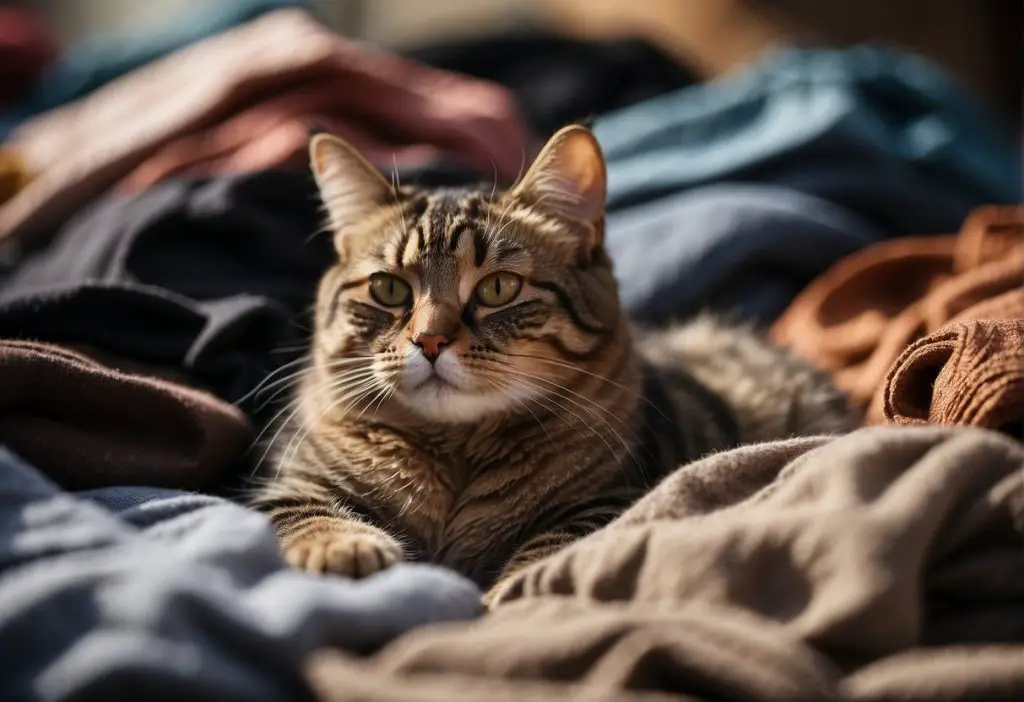
Why do cats like to be alone? Many cats enjoy time to themselves. They are often social with their people, but they also like quiet, undisturbed rest. Too much handling or noise can stress some cats, so they walk away to relax.
Still, liking some alone time is not the same as needing no company. Too much time alone can affect a cat's well-being, so plan ahead when you're away.
6 Things You Should Do Before Leaving Your Cat Alone
Going away for the weekend, or just heading to work? Here's what to take care of before you leave.
Some of these steps can be skipped if you arrange a pet sitter instead.
Consider Getting A Pet Sitter
Even independent cats need someone to give them food and water and scoop the litter box. For longer trips, a pet sitter or trusted friend is the best option.
Many cats find boarding stressful because they're out of their familiar territory. A sitter who visits your home is often less upsetting.
Cats like routine. Tell your sitter your cat's feeding schedule, play habits and favorite hiding spots.
Meet the sitter beforehand and give them your vet's phone number.
Don't Forget To Scoop The Litter Box
Cats need a clean litter box where they can poop and pee comfortably. Scoop the box right before you leave.
If the box gets too dirty, many cats will go somewhere else in the house. For longer absences, consider an extra litter box.
Leave Enough Food And Water For Them
This is crucial. Know how much your cat eats and drinks each day, and plan for the full time you'll be away plus a margin.
Cats should not go without food. Cornell's Feline Health Center notes that a cat that refuses to eat can develop serious medical problems.
An automatic feeder and a water fountain help. Leave more than one water bowl in case one gets knocked over.
Leave A Toy For Your Cat
Cats sleep a lot, but they still need play and stimulation. Leave a few safe toys out while you're away.
Balls, toy mice and puzzle feeders work well. Avoid toys with strings, ribbons or small parts that could be swallowed when no one is watching.
Laser toys need a person to control them, so save those for when you or a sitter are around.
Leave A Safe Environment For Your Cat
Before you leave, make sure the stove is off. Put away chemicals, medications, sharp objects, plastic bags and anything toxic.
Unplug appliances that could hurt a curious cat, such as a paper shredder. Close the toilet lid and tuck away cords.
Remove toxic plants. Lilies, for example, are very dangerous to cats.
A pet camera lets you check on your cat while you're away. Some let you talk to your cat too.
Consider Buying Your Cat A Cat Friend
If you're away from home a lot, a second cat may give your cat company. Many cats do well with a feline companion, but not all, so introduce them slowly.
Only get another cat if you're ready to care for both for their whole lives.
How Long Should I Leave My Cat Alone?
How long a cat can be alone depends on its age, health and personality. Young kittens need frequent feeding and supervision. Kittens under one month should stay with their mother or a caregiver.
Below is a rough guide from petcube.com. Treat these as maximums for healthy cats, not targets.
| Age | Time Alone (Max) |
|---|---|
| 4 months below | 2-4 hours |
| 4-5 months | 5 hours |
| 6 months | 8 hours |
| Grown-Up Cats | 1-2 days |
A healthy adult cat can usually be left overnight with plenty of food, water and a clean litter box. For anything longer, have someone check in at least once a day. Here's why:
- Water can run out or get spilled.
- Food can run out.
- Litter boxes get dirty.
- Your cat could get injured or sick.
- Your cat could get into trouble around the house.
- Your cat may get bored or stressed.
Cats with medical conditions or that take medication need more frequent checks. Ask your vet.
Signs That Your Cat Is Feeling Lonely
Giving your cat some alone time is different from neglecting it. Even if you work all day, set aside time to spend with your cat.
These signs may mean your cat needs more attention or stimulation. Many of them can also point to a medical problem, so check with your vet if they appear suddenly.
Too Much Meowing
Some cats are naturally talkative. If a quiet cat suddenly becomes very chatty, it may want more attention from you. Sudden changes in vocalizing can also be a sign of illness.
Grooming Too Much
Cats groom themselves a lot. But if your cat grooms so much that it has bald patches or sore skin, it could be stress, boredom, allergies or another medical issue. See your vet.
Destructive Behavior
A bored cat may scratch furniture, knock things over or get into places it shouldn't. More play, scratching posts and puzzle toys can help.
Aggressive Behavior
Some under-stimulated cats pounce on or nip their owners, especially when you're about to leave. Daily play sessions can help burn off that energy.
Too Clingy
If your cat suddenly follows you everywhere, meows for attention and paws at you constantly, it may be craving more time with you.
Changes In Behavior
Watch for any change from your cat's normal routine, such as eating, sleeping, litter box use or how it interacts with you.
Boredom can play a role, so try new toys and games. But behavior changes are also a common sign of illness, so talk to your veterinarian if anything changes suddenly.
3 Best Ways To Do If Your Cat Feel Lonely
If your cat seems lonely, here are three ways to help.
Spend Time With Your Cat
The simplest fix is spending more time with your cat. Short, daily play sessions build a strong bond. If weekdays are busy, make extra time on weekends.
Adopt Another Cat
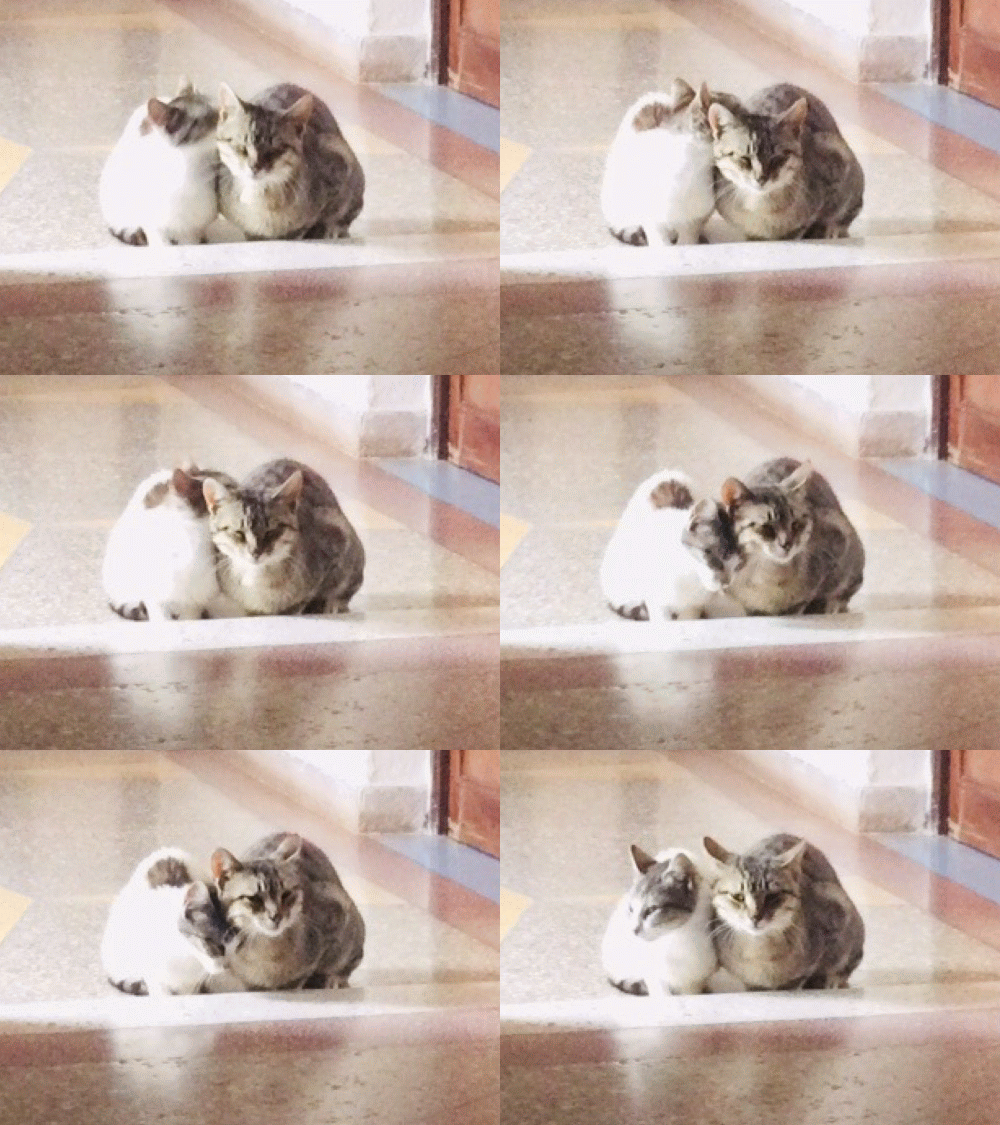
If you're often away, a second cat may provide company. Choose a compatible cat and introduce them gradually.
Buy Them Some Toys
If another cat isn't an option, add more toys and enrichment. Offer Toys that can be played by your Cat alone, or toys that you and your Cat can play with together.
7 Cat Breeds For A Busy Owner Like You
Every cat is an individual, so personality matters more than breed. These breeds are often described as fairly independent, but all of them still need daily care and attention.
Ocicat
Ocicats are active and people-oriented. They are often described as devoted to their owners. They need plenty of play, so provide toys when you're away.
Persian Cat
Persians are generally calm and quiet and are happy to lounge. Their long coat needs daily brushing, and their flat faces can lead to breathing and eye problems, so plan for grooming and vet costs.
Norwegian Forest Cat
Norwegian Forest Cats are typically friendly and fairly independent. Their thick, long coat needs regular brushing, especially when they shed.
American Shorthair Cat
American Shorthairs are known for being easygoing and adaptable. They usually cope well when their owners work during the day.
Maine Coon Cat
Maine Coons are large, affectionate and usually not overly demanding. Like any cat, they still need daily attention and supervision.
Russian Blue Cat
Russian Blues tend to be quiet and reserved with strangers but bonded to their families. They can take time to adjust to a new home.
Scottish Fold Cat
Scottish Folds are usually calm and quiet. But their folded ears come from a genetic trait that affects bone and cartilage.
The Merck Veterinary Manual describes Scottish Fold osteodystrophy, a genetic condition causing deformed, swollen bones and lameness. Many veterinary groups discourage breeding Folds for this reason. If you have one, watch for stiffness or reluctance to jump and see your vet.
Final Words
Many cats enjoy time alone, but they still need companionship and care. Some cats are more social than others, so get to know your own cat's personality.
Make time for your cat every day. You'll both benefit from the bond.
Sources
- Feeding Your Cat, Cornell Feline Health Center, Cornell University College of Veterinary Medicine
- Bone Disorders in Cats, Merck Veterinary Manual