Why Is My Cat Peeing On My Furniture?
Contents
- Why Do Cats Pee On My Furniture?
- Your Cat May Be Marking Their Territory
- Your Cat May Not Have a Good Litter Box Setup
- Your Cat May Have a Medical Condition
- Your Cat May Be Stressed
- How Can I Stop My Cat From Peeing On My Furniture?
- Make Them Feel Secure:
- Upgrade the Litter Box:
- Consult Your Vet:
- Reduce The Stress:
- Conclusion:
- Sources
If your cat is peeing on your furniture, you're not alone. Cornell's Feline Health Center calls house soiling the most common behavior problem cat owners report.
The most common reasons are a medical problem (such as bladder inflammation or stones), a litter box your cat dislikes, urine marking, and stress. Start with a vet visit, because a cat with a urinary problem can look healthy.
Why Do Cats Pee On My Furniture?
Here are the four main reasons cats pee on furniture and how to address each one.
Your Cat May Be Marking Their Territory
Cats mark territory with scent, including urine. Marking usually means spraying small amounts of urine on upright surfaces, but some cats mark on soft furniture too.
Common triggers include a new cat in the home, cats seen outside through a window, and stressful changes such as a move or a new baby.
Unneutered males spray most often, but Cornell notes that about 10% of neutered males and 5% of neutered females also spray.
Your Cat May Not Have a Good Litter Box Setup
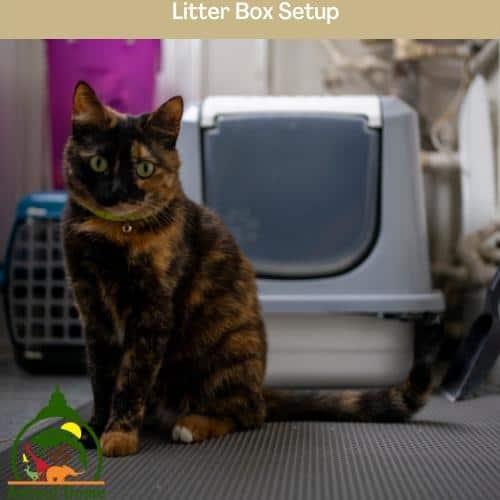
If the litter box is too small, dirty, or hard to reach, your cat may avoid it and choose a soft surface like a couch or bed instead.
In multi-cat homes, one cat may block another's access to the box, which can lead to accidents.
Your Cat May Have a Medical Condition
If your cat suddenly starts peeing outside the box, take them to the vet to rule out medical problems.
Cornell lists inappropriate urination as a sign of feline lower urinary tract disease. Causes include idiopathic cystitis (bladder inflammation), bladder stones and infections. Kidney disease, diabetes and arthritis can also lead to accidents.
A male cat straining to pee and producing little or no urine may have a urethral blockage. That is a medical emergency, so get to a vet immediately.
Your Cat May Be Stressed
Cats can also pee outside the box when they are feeling stressed. Stress can come from changes in their environment (such as a move), changes in their routine (such as a new baby in the family), boredom, or tension with other cats.
How Can I Stop My Cat From Peeing On My Furniture?
Once you know the likely cause, you can address it.
Make Them Feel Secure:
If your cat is marking, spaying or neutering reduces the hormone-driven urge to spray. Reduce conflict between cats, block views of outdoor cats, and consider a pheromone product such as Feliway.
Upgrade the Litter Box:
Cornell recommends one more litter box than the number of cats, in quiet, easy-to-reach spots spread around the home. This is one of the main reasons cats don’t use a litter box.
Most cats prefer large boxes without lids with unscented, fine litter about 1 to 2 inches deep. Scoop daily and wash the box regularly.
Clean accidents quickly with a cleaner that neutralizes urine odor. Avoid ammonia or vinegar cleaners, since they smell like urine and can draw your cat back to the spot.
Consult Your Vet:
If your cat has a medical condition, your vet will treat it. The peeing often improves with treatment, but a cat may keep using a spot it got used to, so clean those areas well.
Reduce The Stress:
Give your cat vertical space such as cat trees, daily play, and a predictable routine. Make changes gradually.
Never punish your cat. Cornell warns that yelling, hitting or rubbing a cat's face in urine increases anxiety and makes the problem worse.
Your vet may suggest anti-anxiety medication in some cases, especially for spraying. It works best alongside changes at home.
Conclusion:
A cat peeing on furniture is usually sick, unhappy with its litter box, marking, or stressed. See your vet first, then work on the litter setup and stress.
Sources
- Feline Behavior Problems: House Soiling, Cornell Feline Health Center
- Feline Lower Urinary Tract Disease, Cornell Feline Health Center