Are Dogs Stronger Than Humans? Animal vs. Human Strength

Contents
- Key Takeaways
- Comparative Analysis of Strength and Abilities
- Assessing Physical Strength and Power
- Speed, Endurance, and Agility
- Breed-Specific Strengths and Roles
- The Importance of Size and Weight in Strength
- Understanding the Weight Ratio to Strength
- The Role of Large and Small Dog Breeds
- Size and Comparative Advantages in Specific Scenarios
- Human and Canine Strength in Perspective
- Survival and Evolutionary Aspects of Strength
- Practical Applications of Strength and Training
- Physiological Differences Between Humans and Dogs
- Frequently Asked Questions
- What are the comparative strengths of a dog's jaw versus a human's?
- In what ways can dogs be considered more athletic than humans?
- Is the skin of a dog more resilient to damage than human skin?
- Sources
Whether dogs are stronger than humans depends on what you mean by "strength."
An adult human can lift, carry and push more than most dogs. But dogs beat us in some areas, especially bite strength, sprinting and pulling for their size.
For example, large guardian breeds like the Kangal are known for powerful jaws and are prized for their guarding abilities.
Dogs' strengths are specialized. Different breeds were developed for different jobs, from herding to pulling sleds to guarding livestock.
Physical strength can be measured in several ways, including raw force, power for body size, endurance and agility.
Many dogs are excellent athletes. Working breeds have great stamina, and dogs accelerate and turn faster than people.
Humans, on the other hand, usually come out ahead in lifting and gripping, especially with the upper body.
Humans can also multiply their strength with tools and technology.
Key Takeaways
- Comparing dog and human strength depends on which kind of strength you measure.
- Dogs have a stronger bite than people, and many are faster and more agile.
- Adult humans usually win at lifting and gripping, and tools extend our strength further.
Comparative Analysis of Strength and Abilities
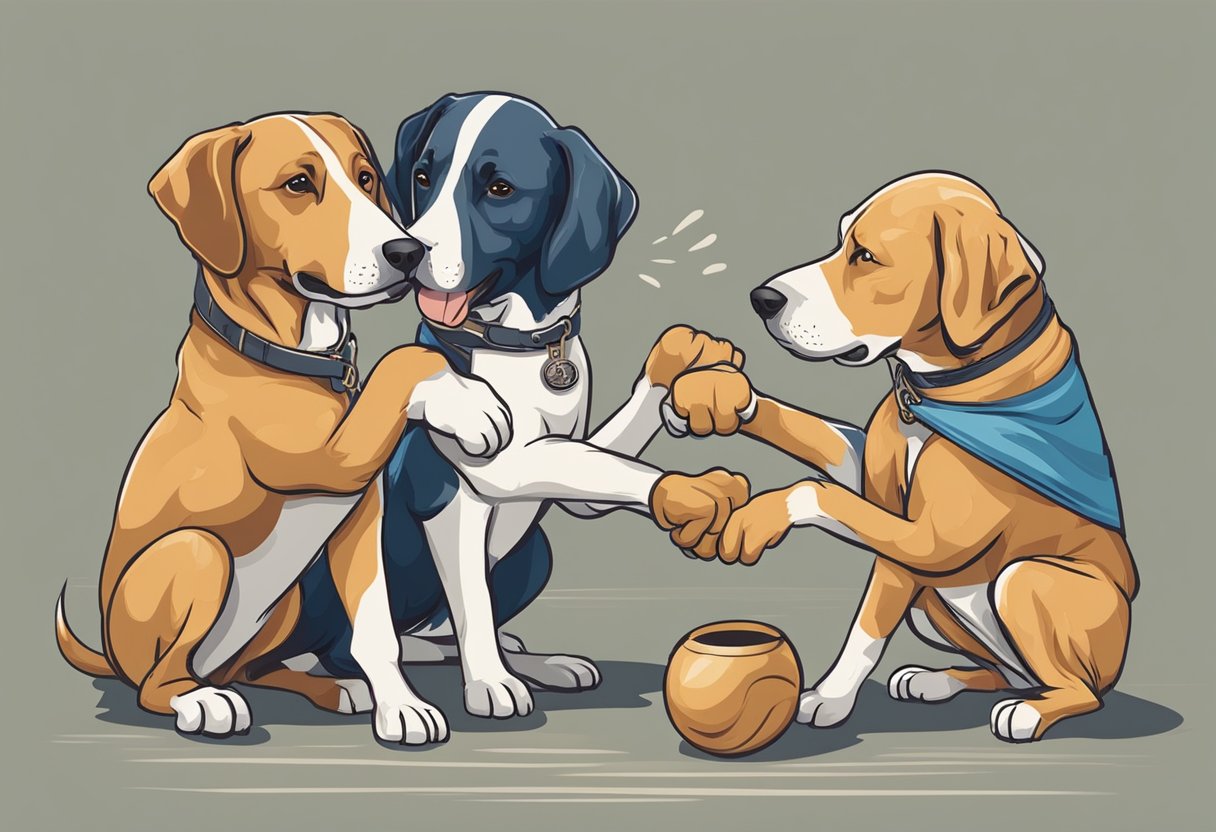
Dogs and humans each excel in different areas because of differences in body design and evolution.
Assessing Physical Strength and Power
When it comes to physical strength, humans generally have more upper body strength and can lift heavier loads than most dogs.
Dogs are built for running, with powerful hind legs and a strong back. Muscular breeds like Rottweilers and American Bulldogs can exert a lot of force for their size.
- Bite Force: Dogs have a much stronger bite force than people. Bite strength varies with head size and shape, so large, broad-headed breeds tend to bite hardest. Reported "psi" numbers for specific breeds vary widely between sources, so treat them with caution.
Speed, Endurance, and Agility
When it comes to speed and agility, many dogs outpace people, especially over short distances. Greyhounds are among the fastest dogs.
Siberian Huskies and German Shepherds are known for their stamina and endurance, which is why they are used for work that requires sustained activity.
- Endurance: Working dogs like Alaskan Malamutes and sled dogs can work for hours.
- Agility: Many dog breeds outperform humans in agility, especially those bred for herding or hunting.
Breed-Specific Strengths and Roles
A dog's strength is closely tied to its breed and size, since each breed was developed for specific tasks:
- Kangal: Known for strong protective instincts and power, used to guard livestock from predators.
- Rottweiler: Strong and intelligent, often used in guarding and police work.
- Huskies and German Shepherds: Their endurance and intelligence suit them for demanding work and problem-solving tasks.
The Importance of Size and Weight in Strength
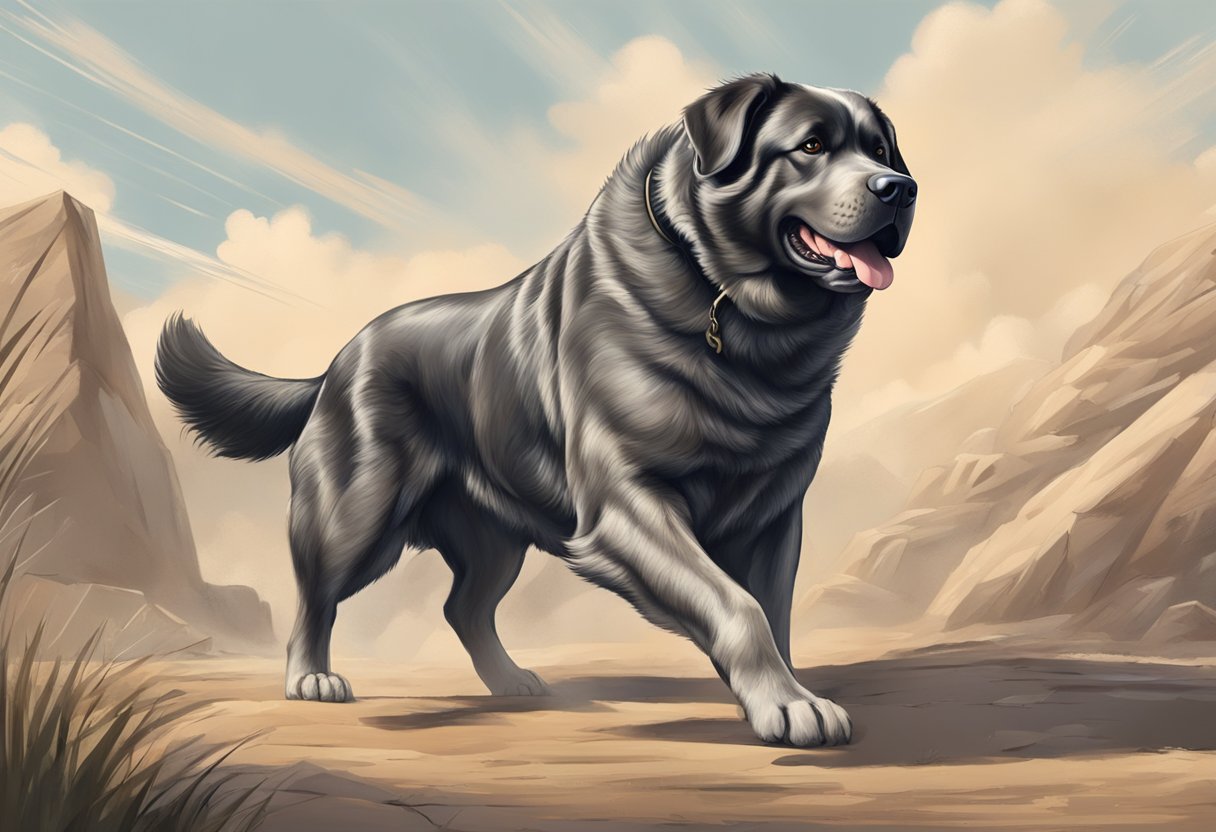
Size and weight play a big role when comparing dogs and humans.
Understanding the Weight Ratio to Strength
One way to compare strength is to look at force relative to body weight.
Small dogs like Chihuahuas can be quite strong for their size. However, they can't match the raw strength of an adult human because of the huge difference in body weight.
The Role of Large and Small Dog Breeds
Breed size has a big effect on a dog's power. Large dog breeds, such as Great Danes, often called "gentle giants," have more body mass and greater overall strength.
Small dog breeds may be quick and agile, but they lack the raw power of larger dogs.
Size and Comparative Advantages in Specific Scenarios
Size gives different advantages in different situations. A large guardian dog can scare off predators just by being big.
A larger dog usually has a stronger bite too, which matters for guarding work. Even so, an adult human can usually generate more total force with the arms and upper body.
Human and Canine Strength in Perspective
To compare human and canine strength fairly, it helps to look at evolution, training and anatomy.
Survival and Evolutionary Aspects of Strength
Predators need strength and speed to catch and hold prey.
Dogs descend from wolves, and they kept many of these traits, which are useful for hunting and guarding. Human evolution favored tool use and problem-solving over brute force.
Practical Applications of Strength and Training
You may not match a dog's jaw muscles, but you can use leverage and technique to apply force more effectively.
Training improves strength in both species. Working dogs are trained for roles such as search and rescue or guarding.
Their training builds skills like tracking, herding and agility, tasks that rely on bursts of power and endurance more than brute strength.
Physiological Differences Between Humans and Dogs
Human and dog bodies are built very differently.
Humans walk upright on two legs. Our bodies are built for endurance walking and running and for handling objects with our hands.
Our muscular structure supports a wide range of activities.
Dogs walk on four legs, with a flexible spine and long legs built for fast running and quick turns.
Dogs also have strong jaw muscles, which let them grip and hold with considerable force.
Frequently Asked Questions
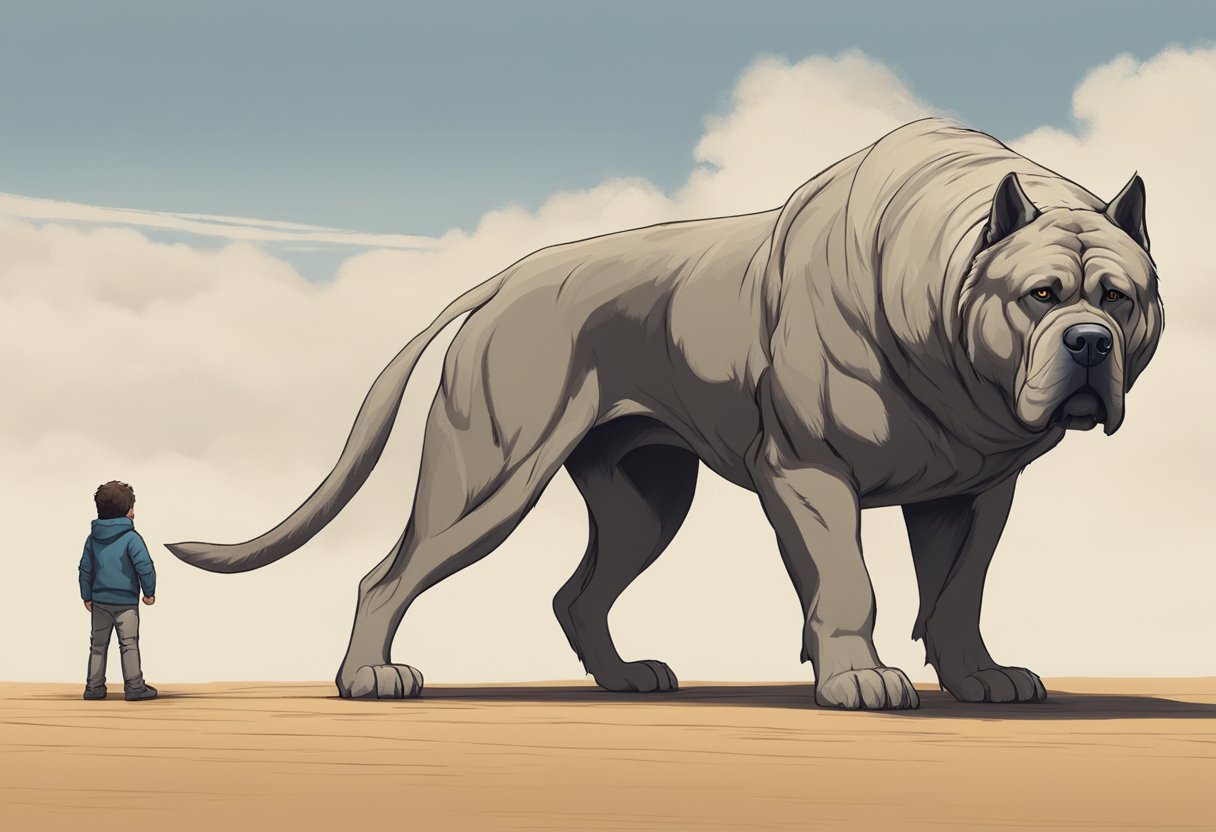
Here are answers to some common questions about how dogs and humans compare physically.
What are the comparative strengths of a dog's jaw versus a human's?
A dog's bite is much stronger than a human's, especially in large breeds. Exact numbers vary a lot by dog and by how bite force is measured, so be wary of precise "psi" rankings.
In what ways can dogs be considered more athletic than humans?
Dogs often beat humans in speed, agility and quick acceleration. Their four-legged build lets them sprint fast and turn sharply, which is useful for herding and hunting.
Is the skin of a dog more resilient to damage than human skin?
Not really. A dog's skin is not tougher than ours. Its main protection is the hair coat, which protects the skin from physical and ultraviolet light damage and helps regulate body temperature. Dogs can still get cuts, scrapes and sunburn, especially on thinly haired areas.
Sources
- Structure of the Skin in Dogs, Merck Veterinary Manual