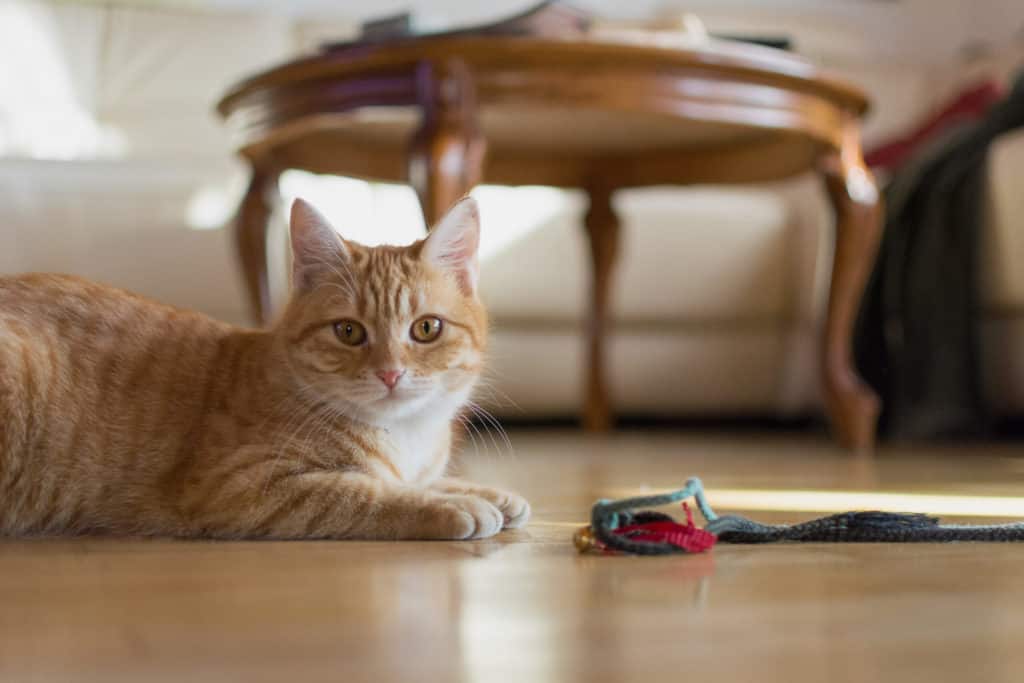
Why Is My Cat Biting Her Kittens?

Contents
It's an exciting time when your cat has kittens. Sometimes, though, the mother cat seems rough with them and even bites them.
Most of the time, a mother cat nibbles her kittens while grooming them, carries them by the scruff, or gives a quick bite to correct rough play. Hard bites that break the skin, or a mother who ignores or attacks her kittens, can signal stress, pain or illness, and you should call your vet.
Biting Behavior Break Down
Here are the most common reasons, from normal to concerning.
Good Hygiene and Playing:
The most likely reason is grooming. Mother cats lick and gently nibble their kittens to clean them.
As kittens grow, they play with their mother, and gentle mouthing is part of that play. Give older kittens plenty of toys and playtime.
Trying to Discipline Them:
Mother cats often correct kittens with a quick nip or swat, for example when weaning them from nursing. A short, gentle bite that doesn't hurt the kitten is normal.
Teaching Them a Lesson:
If a kitten bites too hard during play, the mother may bite back. The ASPCA notes that kittens learn to inhibit their bites through play with other cats, and kittens orphaned or weaned too early may not learn this control.
Communication:
Mother cats also move kittens by gripping them gently at the scruff of the neck. This is how she relocates kittens to a nest she feels is safer.
She Feels Threatened:
A stressed or frightened mother can redirect that tension toward her kittens. The ASPCA notes that mother cats are especially defensive in the first few days after birth, so avoid handling the kittens during that time.
Other pets, visitors and a busy, noisy room can all add stress. Give her a quiet, private nesting area.
Pain or Illness:
A mother cat in pain may bite or reject her kittens. Infection of the uterus or mammary glands (mastitis) can make nursing painful.
The Merck Veterinary Manual recommends checking the mother's mammary glands, temperature and appetite daily. Hot, swollen or discolored mammary glands, fever or poor appetite need a vet.
Mothers sometimes also reject a weak or sick kitten. A kitten that is pushed away or not gaining weight needs prompt veterinary care.
How do I get my cat to stop biting her kitten?
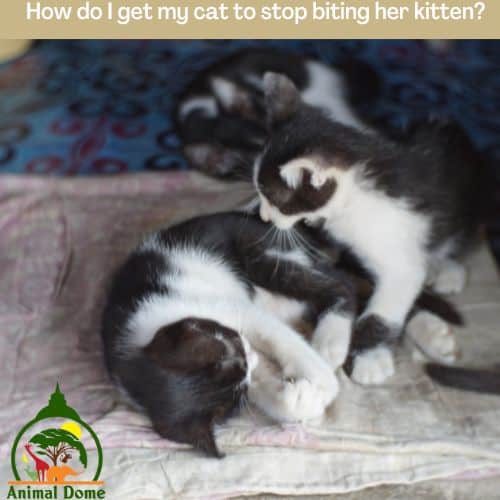
Normal grooming, carrying and gentle corrections don't need to be stopped. Here's what to do when the biting seems excessive.
Try Understanding The Reason:
First, watch closely. If the bites are gentle and the kittens are nursing, growing and active, let her be a mother.
If she seems stressed, give her a quiet, private space away from other pets, with food, water and a litter box nearby.
If she bites hard enough to injure the kittens, ignores them, or seems sick, call your veterinarian right away. Kittens that are hurt or not nursing may need to be separated and fed by hand under your vet's guidance.
Conclusion:
Most biting between a mother cat and her kittens is normal grooming, carrying and teaching. Watch for injuries, rejected kittens or signs of illness in the mother, and call your vet if you see them.
Sources
- Aggression in Cats, ASPCA
- Management of the Neonate in Dogs and Cats, Merck Veterinary Manual