Why My Cat Is Meowing So Much?
Contents
- Reasons Why Cats Meow
- Hunger
- Boredom or Loneliness
- Anxiety or Stress
- Looking for a Mate
- Illness or Pain
- Old Age
- How do I make my cat stop meowing?
- Pay Attention to the Details
- Give Your Cat More Attention
- Look for Possible Changes
- Consider Regular Checkups
- Deal With Patience
- When should I be worried about my cat meowing?
- When They’re Not Eating or Drinking Normally
- When They’re Acting Strangely
- When They’re in Pain
- When Their Meowing Seems Desperate
- When You Can’t Figure Out the Cause
- Why does my cat wander around meowing?
- Conclusion:
- Frequently Asked Questions
- Why is my cat so talkative all of a sudden?
- What noises do cats make when in pain?
- How do you know if your cat is crying for help?
- Sources
Do you have a cat who just can't stop meowing? You're not alone. Cats meow for many reasons, and most of them can be managed once you know the cause.
Cats mostly meow to communicate with people. Common reasons for a lot of meowing include hunger, wanting attention, loneliness, and, in unspayed or unneutered cats, looking for a mate. Illness and age-related confusion can also cause it.
Below are the most common reasons and what you can do about them.
Reasons Why Cats Meow
Here are the common reasons why your cat may be meowing more than usual.
Hunger, attention-seeking, loneliness, stress and illness are the most common causes. If meowing is new or sudden, rule out a medical problem first.
A little patience and observation will usually help you find the cause.
Hunger
One of the most common reasons behind excessive meowing is hunger. If your cat meows most around mealtimes, they are probably asking to be fed.
Feeding on a set schedule, not whenever your cat cries, keeps the meowing from being rewarded. An automatic feeder can help.
Boredom or Loneliness
Cats left alone for long periods may meow for company or play. Daily play sessions and more time together usually help.
Anxiety or Stress
Changes in routine, new people or pets in the home, and loud noises can stress some cats. If you think your cat is stressed, try to identify the source of their stress and take steps to reduce it.
Looking for a Mate
Unspayed females in heat and unneutered males often yowl. The ASPCA notes that spaying or neutering reduces this kind of meowing.
Illness or Pain
Excessive meowing can also be a sign of illness or pain. The ASPCA notes that overactive thyroid and kidney disease are common causes in older cats. If your cat seems unwell, see your vet.
Old Age
Older cats can develop cognitive dysfunction, a kind of age-related confusion. Disoriented cats may meow more, especially at night, so take a senior cat that has become noisy to the vet for a check-up.
Also Read:
How do I make my cat stop meowing?
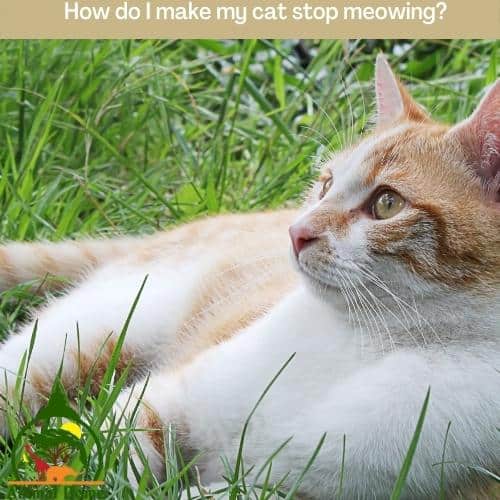
First find the cause. Here are a few tips:
Pay Attention to the Details
Note when your cat meows. Meowing at mealtimes points to hunger, while meowing at a door may mean they want in or out.
Give Your Cat More Attention
Spend more time with your cat if you think they might be lonely or bored. Giving toys to your cat will help as well as this will give them something to focus on.
Try to give attention when your cat is quiet, not when they are demanding it, so you don't reward the meowing.
Look for Possible Changes
Take note of any changes in your cat's routine or environment that might be causing stress. Also check basics like an empty water bowl or a closed-off litter box.
Consider Regular Checkups
If your cat is older, take them for regular check-ups. Many causes of extra meowing in older cats are treatable.
Deal With Patience
Don't scold or punish your cat. The ASPCA says punishment is unlikely to stop the meowing and may make your cat fearful.
When should I be worried about my cat meowing?
Be concerned if your cat is meowing more than usual and seems to be in pain or distress. Take them to the vet promptly.
Other times to be concerned include:
When They’re Not Eating or Drinking Normally
If your cat isn’t eating or drinking normally, it could be a sign that they're not feeling well. This is especially true if they're also meowing more than usual.
When They’re Acting Strangely
Hiding more than usual or sudden aggression can point to a medical problem.
When They’re in Pain
Crying while using the litter box or straining to urinate is an emergency, especially in male cats, because it can mean a urinary blockage. Call your vet right away.
When Their Meowing Seems Desperate
If your cat's meowing sounds desperate or panicked, check on them right away. They may be trapped, hurt or frightened.
When You Can’t Figure Out the Cause
If you can't find a reason for the extra meowing, ask your veterinarian. They can look for a medical cause and give you advice for your cat.
Why does my cat wander around meowing?
A cat that wanders and meows may want food, water, attention or access to a room. In older cats, it can be a sign of cognitive dysfunction or another medical problem.
Check that food, water and the litter box are available. If your cat seems confused or the behavior is new, see your vet.
Conclusion:
Most meowing is simply communication. If your cat is meowing more than usual, look for patterns and rule out a medical cause.
If your cat seems to be in pain or distress, take them to the vet right away.
Frequently Asked Questions
Why is my cat so talkative all of a sudden?
A sudden increase in meowing can mean your cat wants something, is stressed, or is unwell. Overactive thyroid and kidney disease are common causes in older cats, so a vet check is a good idea.
What noises do cats make when in pain?
Cats in pain may cry, yowl, hiss or growl, but many hide pain and stay quiet. Watch for hiding, poor appetite or changes in litter box use too, and see your vet right away if you suspect pain.
How do you know if your cat is crying for help?
Take your cat to the vet if extra meowing comes with signs like not eating or drinking normally, straining in the litter box, hiding, or acting strangely, or if you can't find a cause.
Sources
- Meowing and Yowling, ASPCA
- Cognitive Dysfunction, Cornell Feline Health Center
- Feline Lower Urinary Tract Disease, Cornell Feline Health Center