Why Does My Cat Cry When Eating?
Contents
- Reasons Why Your Cat Cries When Eating
- Your Cat Loves The Food
- Your Cat Is In Pain
- Your Cat Dislikes The Food
- Your Cat Is Talking To The Another Cat
- Your Cat Is Confused
- Your Cat Is Talking To You
- Your Cat Wants More Food
- Is It Normal For Your Cat To Meow When Eating?
- Why Does My Cat Yowl When Eating?
- Final Verdict
- Sources
Many cat owners have heard it: a cat meowing over its food bowl in a way that sounds like crying. Often it is harmless, but sometimes it is a sign of pain.
The "crying" is usually meowing, which cats use to communicate. Your cat may be asking for more food, reacting to food it dislikes, or calling to you or another cat. Crying or yowling while chewing can also signal mouth or dental pain, which needs a vet check.
Here is how to tell the difference between normal mealtime chatter and a problem.
Reasons Why Your Cat Cries When Eating
When a cat meows, it is usually trying to tell you something. Below are the most common reasons for meowing at mealtime.
Your Cat Loves The Food
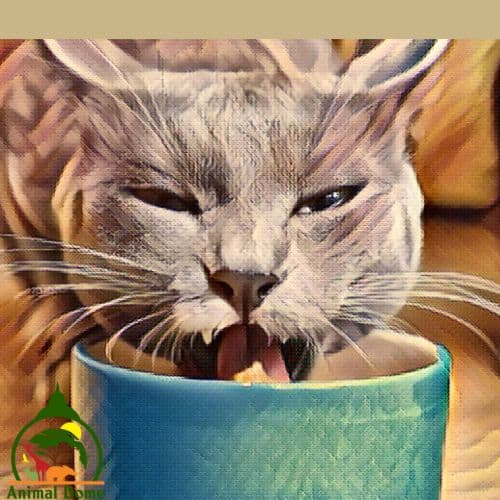
Some cats get vocal when food arrives, especially a food they like. Meowing as you fill the bowl, or right after, is often excitement.
If your cat circles the empty bowl and keeps meowing, it may want more. Stick to the daily amount your vet recommends, since overfeeding leads to weight gain.
If your cat eats very fast and then vomits, a slow-feeder bowl or smaller, more frequent meals can help. Ask your vet if it keeps happening.
Your Cat Is In Pain
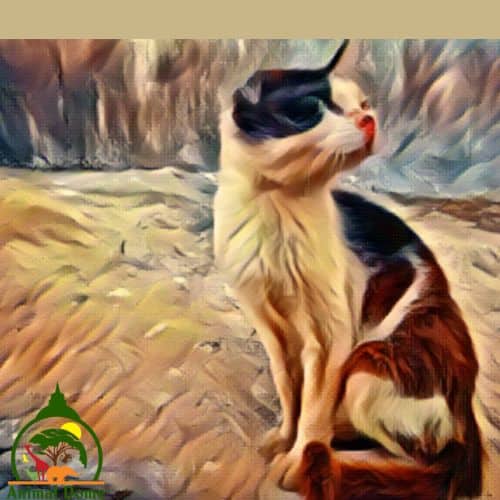
Cats are good at hiding pain, so crying while eating can be one of the few clues you get. Mouth and tooth problems are a common cause.
The Cornell Feline Health Center notes that cats with dental disease may be reluctant to eat, drool, or turn their heads to the side while eating. Tooth resorption, a painful condition, shows some sign in 30 to 70 percent of cats.
Throat, stomach, or other injuries can also make eating uncomfortable. Watch for drooling, dropping food, chewing on one side, pawing at the face, bad breath, or eating less.
If you notice any of these signs, book a vet visit. Do not try to treat it at home, and never give your cat any pain medicine your vet has not prescribed.
Your Cat Dislikes The Food
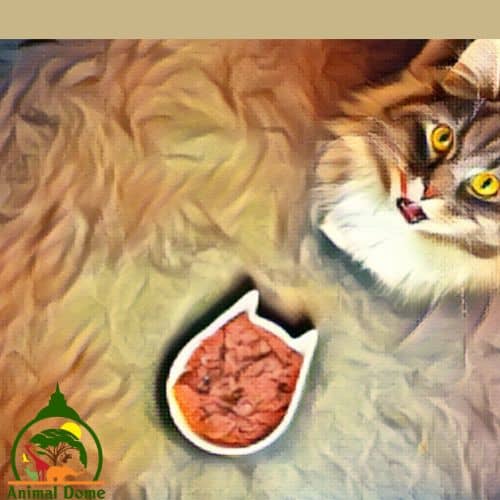
Cats can be picky about flavor and texture. A cat that meows, picks at its food, or walks away may simply not like what is in the bowl.
Tastes can change with age, too. If you switch foods, mix the new food in gradually over about a week to avoid stomach upset.
A cat that suddenly refuses food it used to love may be unwell rather than picky. A cat that stops eating for more than a day or so should see a vet.
Your Cat Is Talking To The Another Cat
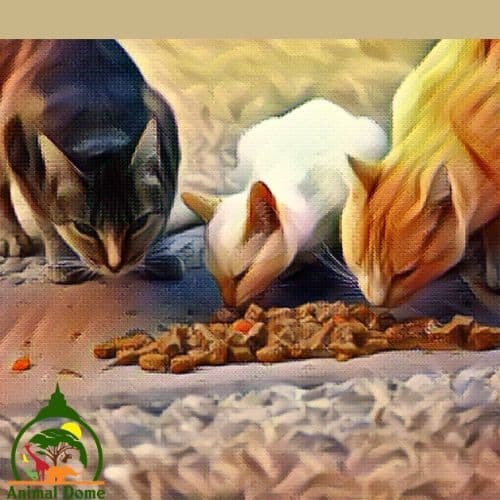
In multi-cat homes, it helps to feed cats in separate bowls, often in separate spots, to prevent squabbles over food.
Some cats that are closely bonded meow when they are fed apart. They may be calling to each other, and you may see them swap bowls afterward. This is normal.
Your Cat Is Confused
Kittens and cats new to a home sometimes meow during or after a meal, especially if you leave the room while they eat. They may be looking for you or getting their bearings.
This usually fades as the cat settles into your home and its routine.
In older cats, new confusion, wandering, or nighttime yowling can be a sign of a medical problem or age-related cognitive decline, so mention it to your vet.
Your Cat Is Talking To You
If you are near your cat’s food bowl while it eats, your cat may simply be talking to you. It may be asking for more, asking for attention, or reacting to something about the meal.
Your Cat Wants More Food
Cats that meow during or after a meal often want more food. Some owners notice this more with wet food, which cats tend to eat quickly.
A cat that seems hungry all the time, or that eats more but loses weight, should see a vet. Several medical conditions can increase appetite, and only a vet can sort out which one is involved.
Is It Normal For Your Cat To Meow When Eating?
Often, yes. Common harmless reasons include:
- Your cat wants more food
- Your cat is excited about the meal
- Your cat dislikes the food but is still eating it
- Your cat is calling to you or another cat
If the meowing comes with chewing problems, drooling, a change in appetite, or weight loss, pain or illness is more likely. Have your vet take a look.
Why Does My Cat Yowl When Eating?
A loud yowl while chewing is more worrying than a meow. It often points to pain, such as a loose or broken tooth, gum disease, tooth resorption, or a sore in the mouth.
If you cannot see an obvious cause, take your cat to the vet. Many mouth problems can only be found with a full exam, and some need dental X-rays.
Final Verdict
Most mealtime meowing is your cat communicating: it is excited, wants more, dislikes the food, or is calling to you. Crying or yowling while chewing, especially with drooling or eating less, can mean dental or mouth pain, so ask your vet to check.
Sources
- Feline Dental Disease, Cornell Feline Health Center
- Aggression in Cats, ASPCA (pain from dental disease and other conditions)