Why My Cat Is Throwing Up Undigested Food?

Contents
- Main Reasons Why Cats Throw Up Undigested Food
- Eating Too Fast
- Food Intolerance or Allergy
- Digestive Issues
- Hairballs
- Stress
- Other Illnesses
- How do I stop my cat from throwing up undigested food?
- Feed them smaller meals more often
- Get a special bowl
- Try a different food
- Brush their fur
- Reduce stress
- When should I be concerned about my cat throwing up?
- What can I give my cat for vomiting?
- Offer them small amounts of water
- Give them bland food
- Keep them calm
- Monitor their food intake
- Contact your vet
- Should I feed my cat again after regurgitation?
- How often should I feed my cat?
- Conclusion:
- Sources
Many cat owners have seen their cat bring up food that looks barely chewed. It's common, and there are several possible reasons.
A cat may throw up undigested food because it eats too fast. Food allergies, hairballs, inflammatory bowel disease and other illnesses can also be the cause.
Food that comes back up soon after eating, without much heaving, is often regurgitation rather than true vomiting. Tell your vet which one you saw, because the causes can differ.
Below are the most common reasons and what you can do.
Main Reasons Why Cats Throw Up Undigested Food
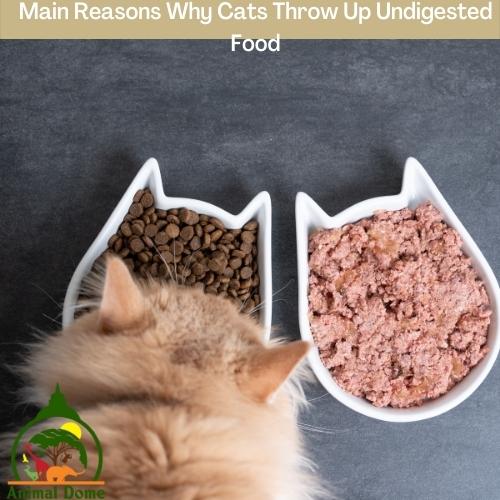
Common reasons include eating too fast, food allergy or intolerance, digestive disease, hairballs and stress.
Eating Too Fast
Cats that gulp their food may bring it back up soon after eating.
Food Intolerance or Allergy
Some cats react to certain foods. If you suspect this, talk to your vet about a food trial rather than switching foods at random.
Digestive Issues
Digestive diseases can cause vomiting. For example, if your cat has inflammatory bowel disease (IBD), it may have trouble digesting their food properly.
IBD is a chronic inflammatory condition of the digestive tract. Your vet can diagnose and treat it.
Hairballs
When cats groom themselves, they swallow hair. It can build up in the stomach and come back up as a hairball, sometimes along with food.
Cornell notes that a hairball every week or two is generally not a concern, but more frequent vomiting is.
Stress
Stress can upset a cat's digestion and may play a part in vomiting.
Other Illnesses
Cornell's Feline Health Center lists parasites, kidney disease, hyperthyroidism, diabetes and swallowed objects among the causes of vomiting. Toxic plants, human medicines and antifreeze can cause it too.
Also read:
How do I stop my cat from throwing up undigested food?
If your cat throws up often, see your vet to find the cause. Meanwhile, smaller meals and a slow-feeder bowl can help fast eaters.
Feed them smaller meals more often

Split the daily amount into several smaller meals. This can help cats that gulp their food.
Get a special bowl

Slow-feeder bowls have raised sections that make cats take smaller bites. Food puzzles work in a similar way.
In homes with several cats, feeding each cat separately can stop them from rushing to eat.
Try a different food
If your vet suspects a food allergy or digestive problem, they may recommend a special diet. Change foods gradually unless your vet tells you otherwise.
Brush their fur
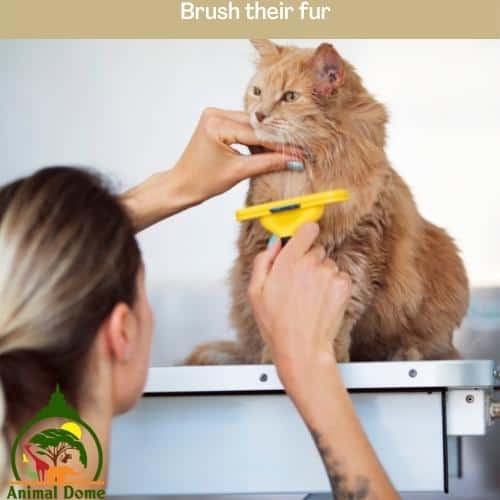
Regular brushing removes loose hair, so your cat swallows less of it while grooming.
Reduce stress
Try to find and remove the source of stress. Ask your vet before using calming products.
When should I be concerned about my cat throwing up?
See your vet promptly if your cat vomits more than once a week, or if vomiting comes with blood, diarrhea, lethargy, weakness, poor appetite or increased thirst.
If you think your cat swallowed string, a toxic plant, a human medicine or antifreeze, call your vet or an animal poison control line right away.
What can I give my cat for vomiting?
Don't give human medicines to a cat. Many are dangerous for cats. Ask your vet what to give.
Here are some safe steps while you wait to talk to your vet.
Offer them small amounts of water
Offer small amounts of fresh water. If your cat can't keep water down or seems dehydrated, call your vet.
Give them bland food
Once vomiting stops, Cornell suggests a bland, easily digested diet. Ask your vet which one; plain cooked chicken with no seasoning is a common choice. Avoid fatty or spicy foods, which can upset the stomach.
Keep them calm
Let your cat rest somewhere quiet after vomiting.
Monitor their food intake
For the next day, offer small amounts of food more often instead of large meals. Note how much your cat eats.
Contact your vet
If your cat vomits repeatedly, stops eating, or shows signs of dehydration, contact your vet. Cornell warns that a cat that refuses to eat can develop serious medical problems.
Should I feed my cat again after regurgitation?
Once your cat has stopped bringing food back up, offer a small portion of its normal food or a bland diet your vet recommends. A cat that won't eat, or keeps bringing food up, needs a vet.
Make sure your cat has fresh water so it stays hydrated. Don't let a cat go without food for long without talking to your vet.
How often should I feed my cat?
It depends on your cat, but splitting the daily amount into several smaller, measured meals helps fast eaters. Ask your vet how much and how often to feed.
Conclusion:
Eating too fast is a common reason cats bring up undigested food. If your cat vomits more than once a week, or has other signs of illness, take them to the vet to rule out health problems.
Sources
- Vomiting, Cornell Feline Health Center
- Feeding Your Cat, Cornell Feline Health Center