Other Pets
Unveiling the Enchanting World of Rabbits: Surprising Facts About These Fluffy Friends
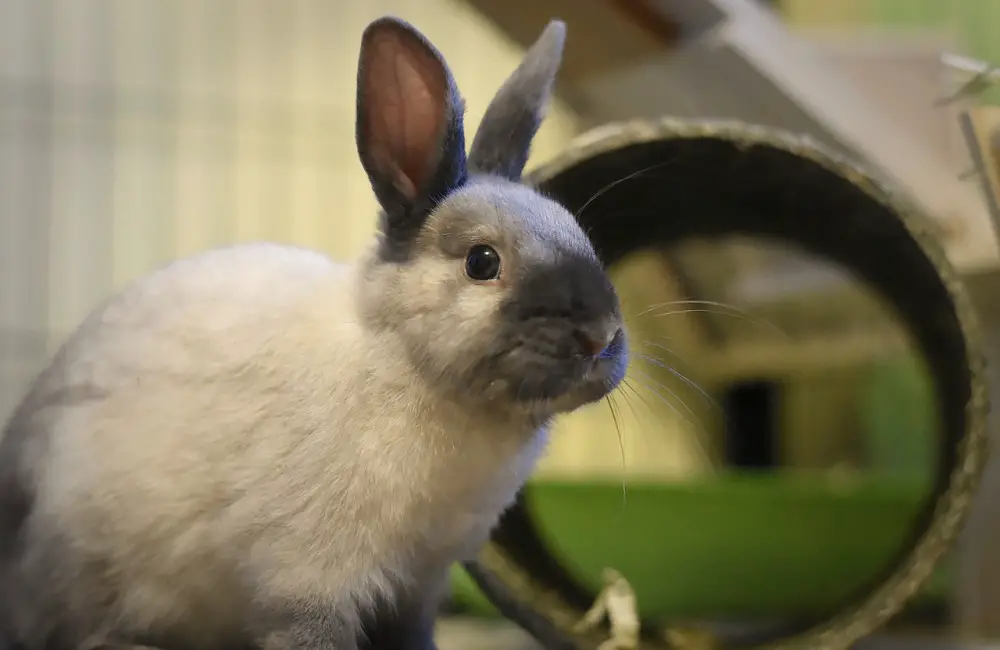
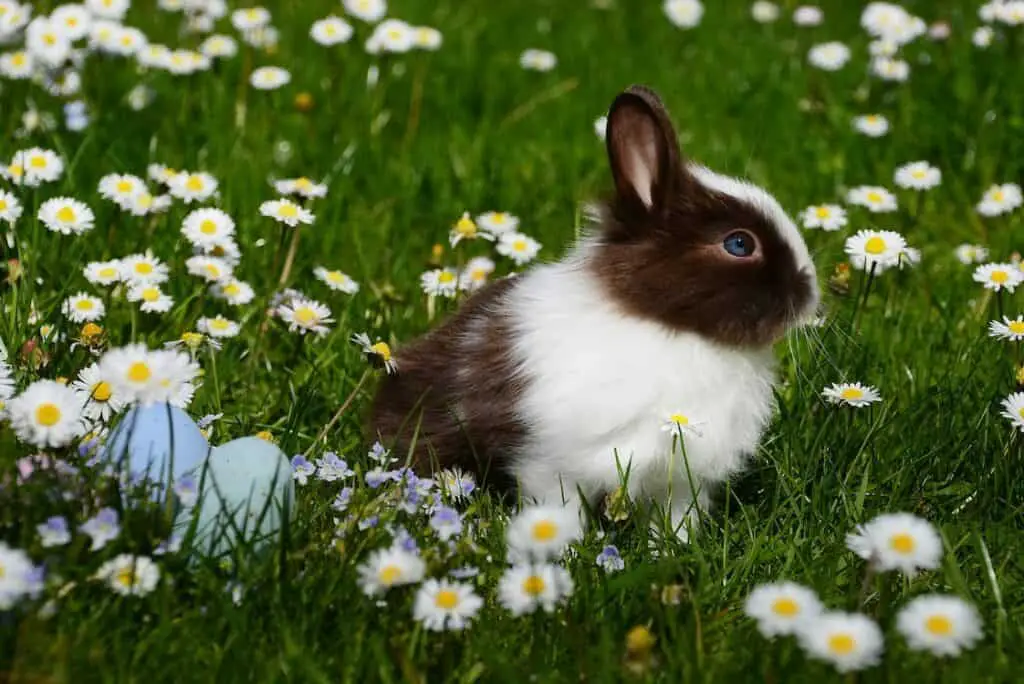
Surprising rabbit facts: teeth that never stop growing, happy binkies, cecotropes, warrens, and more than 50 breeds from dwarf to giant.

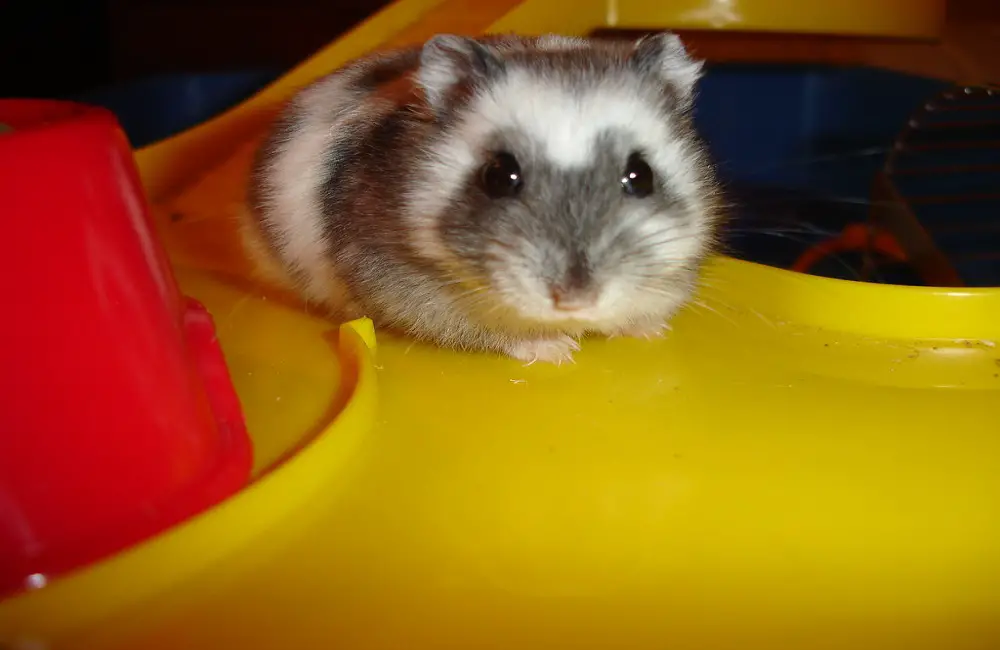
Hamster, guinea pig, gerbil, chinchilla and rabbit behavior explained, with practical care tips for keeping small pets healthy and calm.
Surprising rabbit facts: teeth that never stop growing, happy binkies, cecotropes, warrens, and more than 50 breeds from dwarf to giant.
Rabbits lay on top of each other to mate, show dominance or stay warm and close. When mounting is normal and when to separate your rabbits.
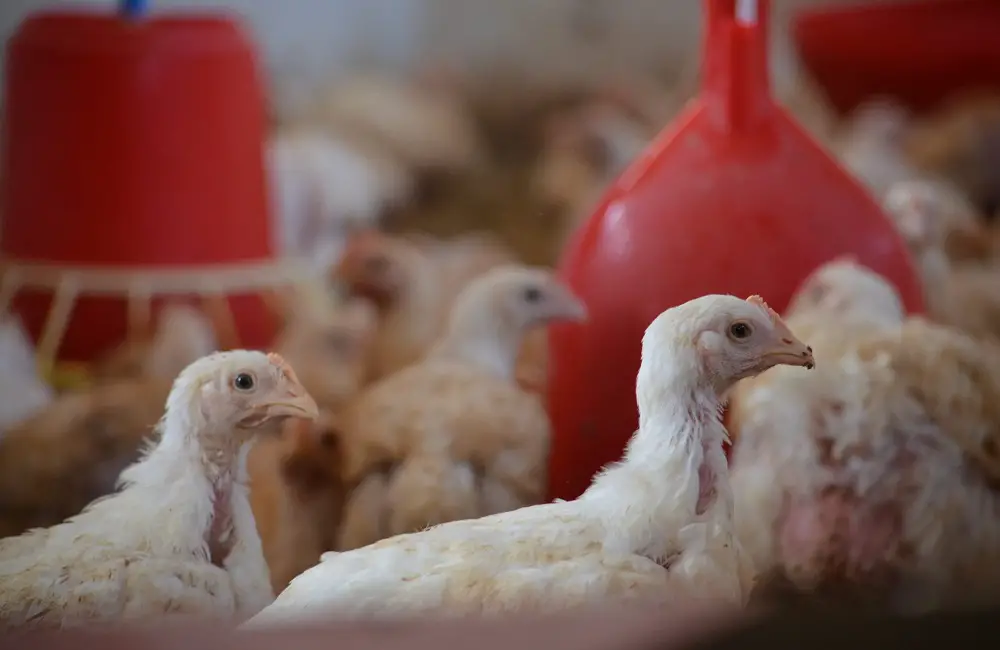
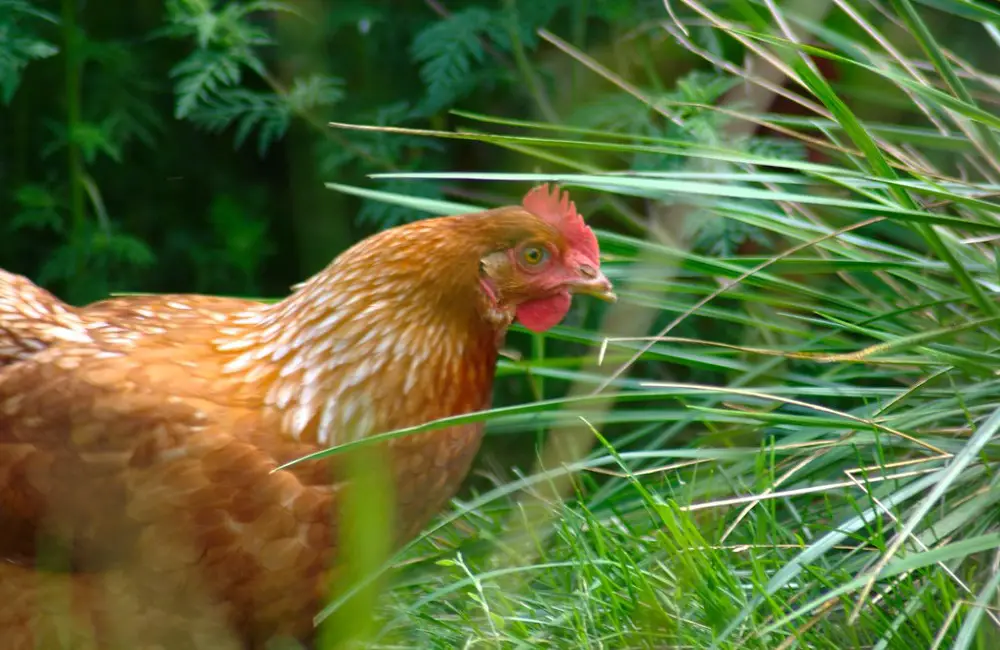
Chickens can eat a little hamster food in a pinch, but it lacks the calcium and protein balance they need. Never feed it to chicks as their main diet.
Chinchillas throw poop because they are active and produce lots of droppings, and stress or boredom can make it worse. Learn how to reduce it.
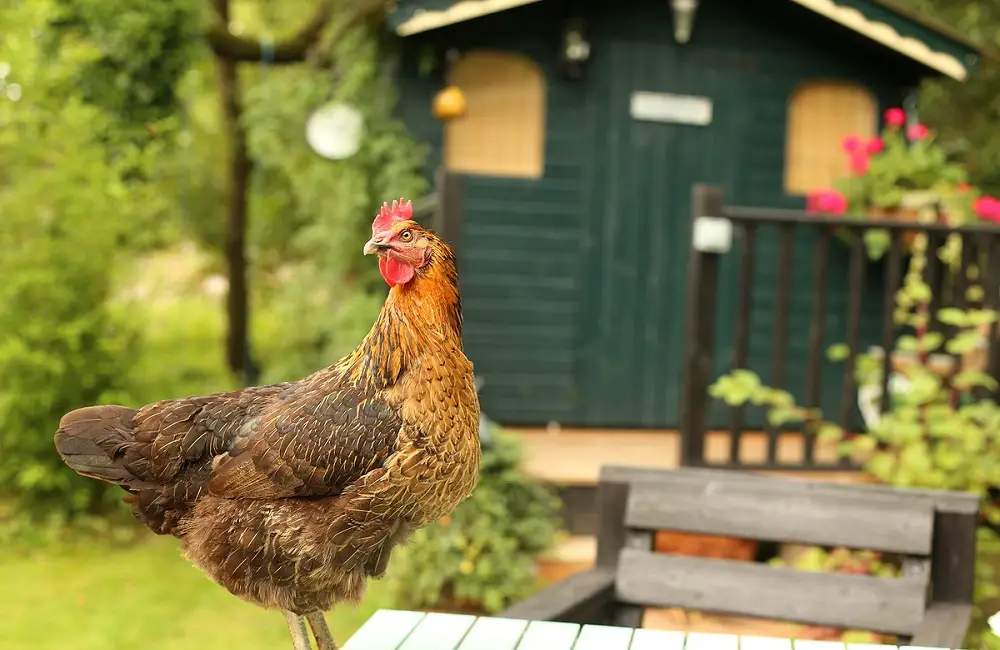
Chickens try to escape when they are scared, in a new place, lost or eager to forage. Learn why it happens and how fencing and covered runs help.
There are lots of questions on the internet about hamsters. One question most hamster owners ask, which might sound silly at first, is why do hamsters
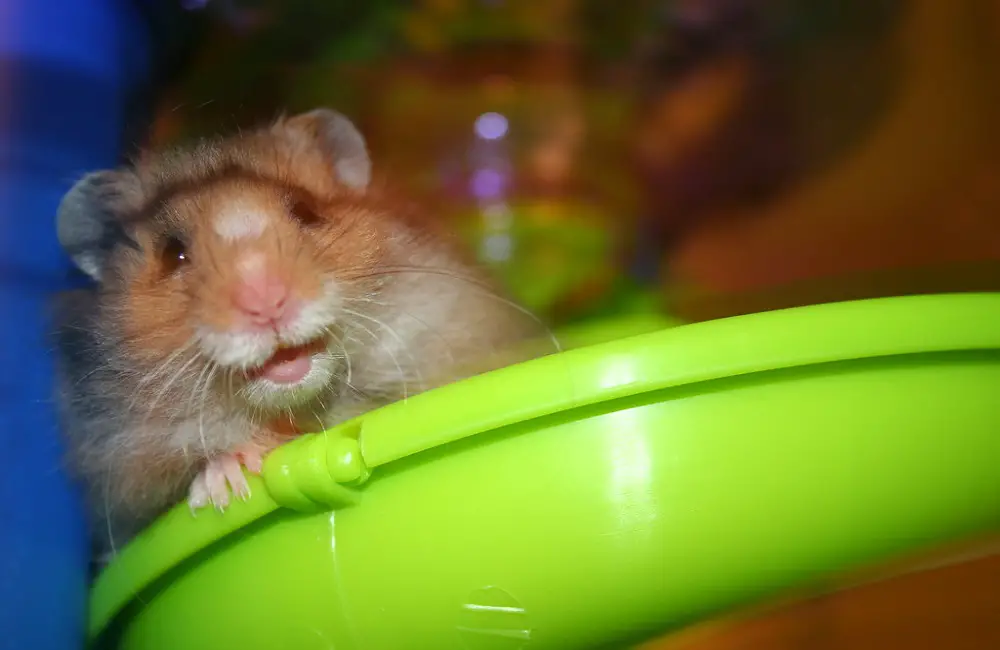
Hamsters don't cry emotional tears, but they squeak or scream when scared or hurt. Watery or crusty eyes can mean infection, so see a vet.
Can fear kill a hamster? A single scare rarely kills a healthy hamster, but ongoing stress is linked to serious, sometimes fatal hamster diseases.
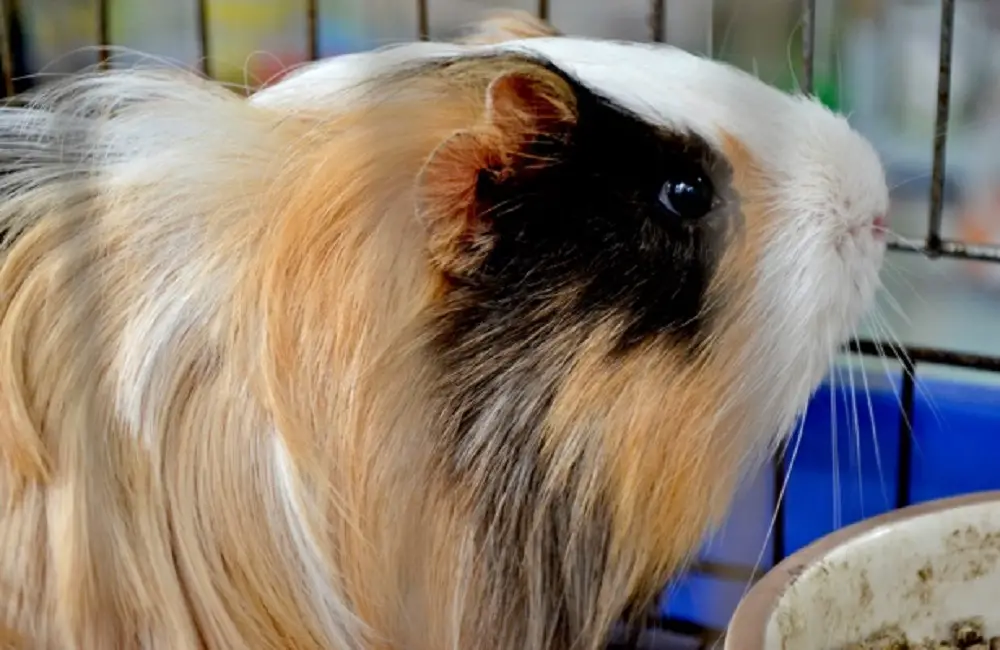
Can guinea pigs see infrared light? No. Their eyes peak in blue and green light, far from infrared, but strong heat lamps can still harm them.
Chickens like mirrors because they see another bird and something new to investigate. Learn safe mirror tips and other ways to stop boredom.