How to Get a Dog Unstoned at Home: Immediate Steps and Safety Tips

Contents
- Key Takeaways
- Recognizing the Signs of Stoned Dog
- Behavioral Changes
- Physical Symptoms
- Getting Your Dog Unstoned (Immediate Steps)
- Assess the Situation
- Providing Comfort
- Inducing Vomiting
- Consulting a Veterinarian
- When to Seek Professional Help
- Follow-Up Care
- Home Care and Monitoring
- Nutrition and Hydration
- Rest and Exercise
- Prevention and Education
- Understanding Risks and Safety
- Preventive Strategies
- Frequently Asked Questions
- What are the signs that my dog may have consumed weed?
- How can I help alleviate the symptoms of cannabis exposure in my dog at home?
- How long will it typically take for a dog to recover from cannabis intoxication?
- Sources
Dogs that eat cannabis, especially edibles, can become very sick. There is no home remedy that "unstones" a dog; the effects have to wear off while the dog is kept safe and monitored.
If you think your dog ate marijuana, call your veterinarian, an emergency animal hospital, or a pet poison hotline right away. The ASPCA Animal Poison Control Center is (888) 426-4435 and the Pet Poison Helpline is (855) 764-7661. Both may charge a consultation fee.
Tell them honestly what your dog ate and how much, so they can advise you safely.
Key Takeaways
- Recognize intoxication signs and call a vet or poison hotline right away.
- Do not make your dog vomit or give activated charcoal unless a vet tells you to.
- Keep all cannabis products, especially edibles, out of your dog's reach.
Recognizing the Signs of Stoned Dog
According to Cornell University's Riney Canine Health Center, signs can start within 30 minutes to several hours after exposure and may last up to 72 hours.
Behavioral Changes
Your dog may show behavioral changes that suggest marijuana toxicity. Look for:
- Disorientation: Your dog might seem confused or have trouble standing or walking in a straight line.
- Lethargy: A sudden decrease in energy or your dog appearing unusually tired or listless.
- Agitation: Some dogs whine, pace, or vocalize, or seem unusually jumpy at sounds and movement.
Physical Symptoms
In addition to behavioral indicators, your dog may display certain physical symptoms that can signal intoxication:
- Dilated Pupils: The pupils become larger than normal.
- Vomiting or Drooling: Some dogs vomit or drool.
- Dribbling Urine: Leaking urine is a known sign of THC exposure in dogs.
- Heart Rate Changes: The heart rate may become slower or faster than normal.
Marijuana toxicity in dogs can be serious. Cornell notes that very high doses are rarely fatal, but deaths have been reported, and edibles can also contain chocolate, xylitol, or fatty butter and oils that are dangerous to dogs.
Getting Your Dog Unstoned (Immediate Steps)
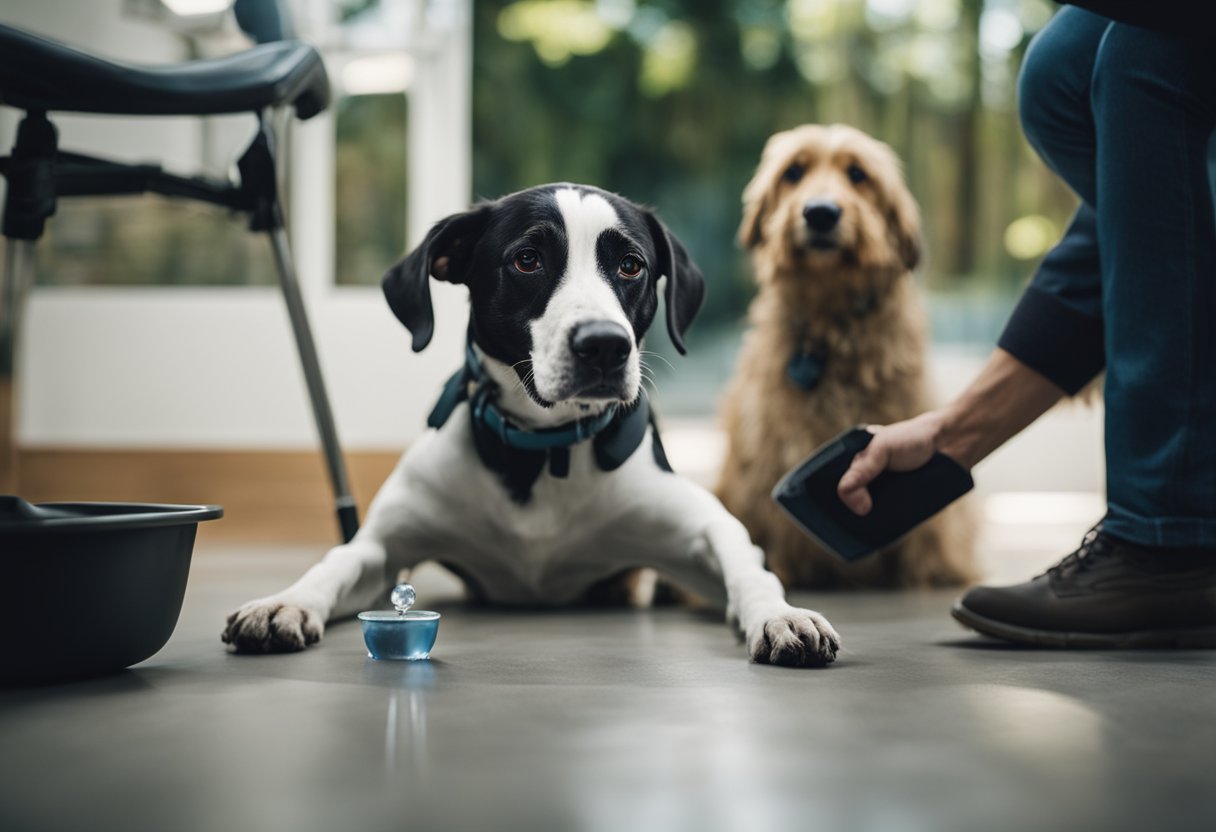
If you suspect your dog has eaten cannabis or another toxic substance, act right away. These steps cover assessing the situation, comforting your pet, and what not to do at home.
Assess the Situation
First, figure out what your dog ate and estimate how much and when. Keep the packaging, since edibles may also contain chocolate or xylitol. Be alert for signs of dog intoxication, such as lethargy, loss of coordination, vomiting, or tremors, and call your vet or a poison hotline.
Providing Comfort
Move your dog to a quiet, dim, secure area away from stairs, pools, and other hazards. Keep noise low, since affected dogs can be extra sensitive to sound and touch. Offer fresh water, but don't force your dog to drink.
Inducing Vomiting
Do not try to make your dog vomit, and do not give activated charcoal, unless a veterinarian tells you to. Cornell advises that dogs already showing signs should not be made to vomit or given charcoal because of the risk of inhaling vomit into the lungs.
Home remedies for vomiting can cause their own harm. If vomiting is needed, your vet will do it safely in the clinic.
Continuously monitor your dog's breathing and alertness while you wait for advice.
Consulting a Veterinarian
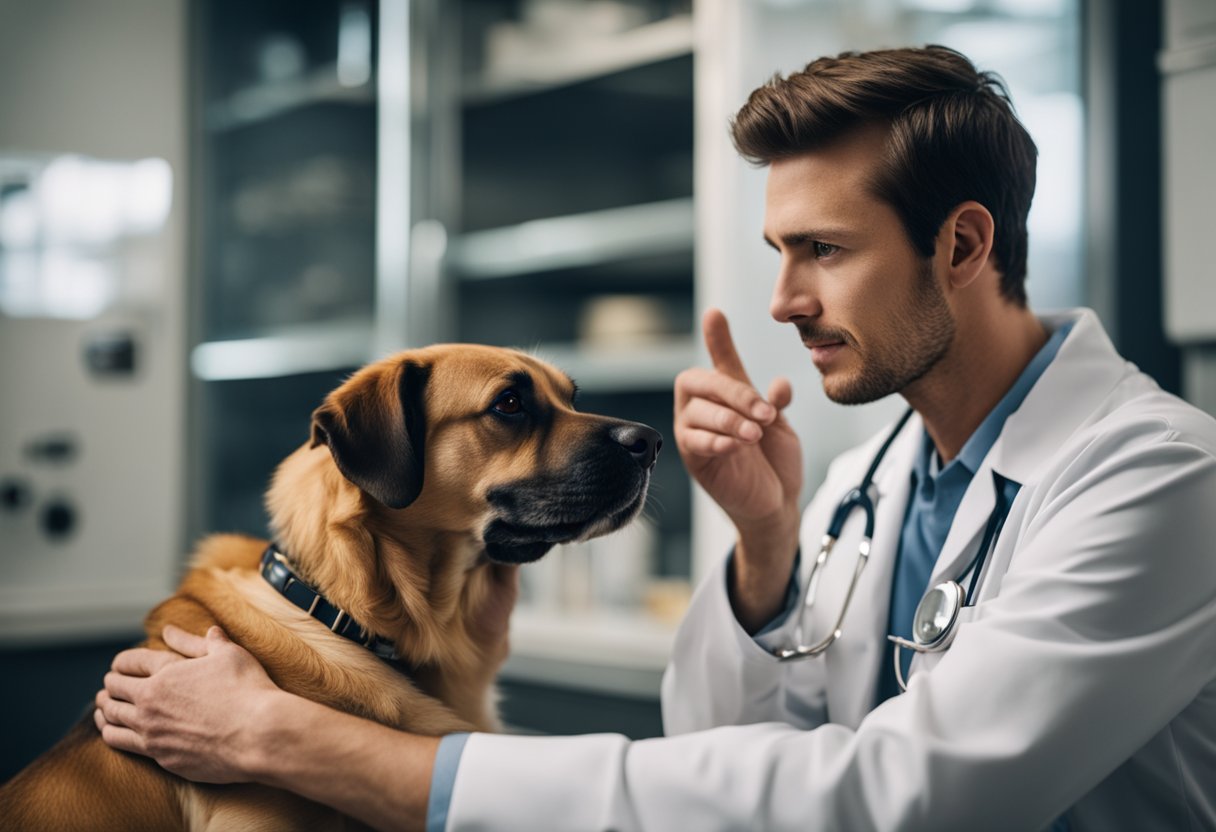
Seeking professional help is crucial to the health and safety of your dog after exposure to potentially hazardous chemicals. A veterinarian can provide the necessary care to mitigate health risks and advise on follow-up care for your pet’s recovery.
When to Seek Professional Help
- Any Symptoms: If your dog shows signs such as difficulty breathing, lethargy, uncoordinated movements, tremors, or seizures, contact a veterinarian immediately. Severe signs need an emergency hospital.
- Unknown Quantity: If you’re uncertain about the amount your dog ingested, seek professional help to assess the potential risk.
- History of Health Issues: Dogs with pre-existing health conditions may be at a higher risk of complications. In such cases, prompt veterinary assistance is critical.
Follow-Up Care
- Monitoring: After initial treatment, closely monitor your dog’s behavior and symptoms for any changes. Keep a log of their recovery progress.
- Quiet Rest: Skip play and training until your dog is fully back to normal.
- Follow-Up: Follow your vet's instructions and call back if signs return or get worse.
Home Care and Monitoring

Once your vet has assessed your dog and says home monitoring is fine, recovery is mostly supportive care and close watching.
Nutrition and Hydration
- Hydration: Keep fresh water accessible at all times. You may encourage drinking by placing multiple bowls around the house.
- Monitor your dog’s intake of water to ensure proper hydration is maintained.
- Nutrition: Follow your vet's advice on food. A drowsy, wobbly dog may choke, so don't feed until your dog is alert.
- Note any changes in appetite, as they could indicate the need for veterinary attention.
Rest and Exercise
- Rest: Limit activity to prevent overexertion. Create a comfortable rest area where your furry friend can relax undisturbed.
- Pay attention to the comfort of the rest space, using soft bedding to help your dog remain calm.
- Exercise: Keep walks short and on leash until your dog is alert and coordinated again.
- Block stairs and keep your dog away from pools to prevent falls or drowning.
Prevention and Education

In protecting your dog from the risks associated with marijuana, knowledge and safeguards are your foremost tools.
Understanding Risks and Safety
Marijuana is toxic to dogs. Accidental ingestion can leave a dog "stoned," with signs ranging from mild lethargy to severe intoxication.
Education is essential. As a dog owner, you must be aware of the risks and the potentially harmful effects. Recognize the symptoms of marijuana exposure in dogs, which include:
- Lack of coordination
- Drowsiness
- Drooling
- Dilated pupils
- Possible vomiting
- Dribbling urine
Call your vet or a poison hotline if these signs are present. For safety, keep all forms of marijuana, including edibles and plant material, inaccessible to your pet.
Preventive Strategies
Employ preventive measures to safeguard your dog from accidental ingestion of toxic substances, focusing on eliminating their access. Implement these strategies:
| Strategy | Description |
|---|---|
| Secured storage | Store marijuana and related products in locked cabinets or containers. |
| Awareness | Ensure all household members and guests are aware of the need to keep such substances away from pets. |
| Safe disposal | Properly dispose of marijuana remnants in a way that pets cannot access them. |
| Routine checks | Regularly inspect your home for dropped or forgotten items that could be ingested by dogs. |
Understand that as a dog owner, taking proactive preventive measures and being well-educated on the topic of marijuana safety can help prevent your dog from being exposed to potential hazards. Your vigilance is a key component of your dog’s well-being.
Frequently Asked Questions

When suspecting cannabis exposure in your dog, quick recognition and response can be vital. Below are answers to common queries you might have.
What are the signs that my dog may have consumed weed?
Your dog may show signs such as lethargy, dilated pupils, difficulty walking, drooling, or dribbling urine. They might also seem agitated or have a slow or fast heart rate.
How can I help alleviate the symptoms of cannabis exposure in my dog at home?
Call your veterinarian or a pet poison hotline first. If they say home monitoring is fine, keep your dog in a calm, safe, quiet place with fresh water and watch them closely. Don't give human medicines or try to make your dog vomit.
How long will it typically take for a dog to recover from cannabis intoxication?
Many dogs improve within about a day, but Cornell notes signs can last up to 72 hours, depending on the dose and the product. Keep watching your dog and call your vet if signs worsen.
Sources
- Cannabis (THC) intoxication in dogs, Riney Canine Health Center, Cornell University College of Veterinary Medicine
- People Foods to Avoid Feeding Your Pets, ASPCA Animal Poison Control Center