When Do Great Danes Calm Down | 5 Tips & Reasons
Contents
- Are Great Danes Hyper Dogs?
- What Are the Reasons My Great Dane So Energetic?
- Young Age
- Not Enough Exercise
- Bored
- Anxiety
- Hyperkinesis
- How to keep My Great Danes Calm Down?
- Exercise
- Mental Stimulation
- Neutering or Spaying
- Give your pooch Space
- Embrace the Energy
- When do Great Danes puppies Calm Down?
- FREQUENTLY ASKED QUESTIONS
- How much Exercise do the Great Danes Need?
- What kind of Diet do Great Danes like to Eat?
- Why is it Essential to Socialize with your Great Dane?
- Why Does my Great Dane pace all the Time?
- Is it Hard to Train Great Dane?
- Final Words
- Sources
Great Dane puppies can be bouncy and excitable, so you might wonder when yours will calm down. Most Great Danes settle down as they mature, usually around 2 to 3 years of age.
As adults, Great Danes are generally easygoing. AKC describes them as friendly, patient and dependable and says they need only a moderate amount of exercise. Every dog is different, and training makes a big difference.
Are Great Danes Hyper Dogs?
Great Danes are not usually considered a hyper breed. Puppies and young adults can be playful and boisterous, but adults tend to enjoy long naps as much as play.
What Are the Reasons My Great Dane So Energetic?
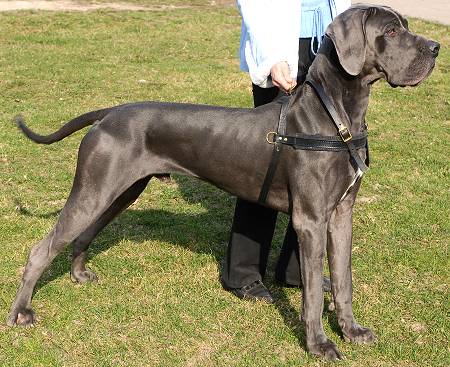
If your Great Dane won't settle, there is usually a reason. Some common ones are:
Young Age
Young Great Danes are curious about everything and play hard. As they get older, most become much calmer.
Not Enough Exercise
A Great Dane without enough activity may be restless. But growing puppies should not get long or hard exercise, because AKC warns that strenuous exercise can damage developing bones.
Give puppies several short walks and play sessions a day, plus training and puzzle games. Adults need a moderate amount of daily exercise, such as walks and play.
Bored
Bored Great Danes look for their own entertainment, and that can mean destroying a bed or furniture. Give your Dane safe things to chew and puzzle toys to work on.
Choose toys strong enough for a giant dog, and take away anything he can break into pieces, because swallowed pieces can cause a blockage that needs surgery. I recommend Benebone Wishbone Durable Dog Chew Toy.
Anxiety
Anxiety can also make a Great Dane restless. Some Danes become anxious when left alone and pace or bounce around the house.
Teach your Dane gradually to be comfortable alone. If his anxiety is severe, see your vet, who can check for medical causes and may suggest behavior training or medication.
Hyperkinesis
True hyperactivity (hyperkinesis) is rare in dogs. Most "hyper" dogs simply need more structure, exercise or training.
If your Dane cannot settle even with good exercise and routine, ask your vet to rule out medical causes.
Read our these Guides. It May Help you:
- Do Great Danes Shed A Lot? | Reason & Tips To Reduce Shedding In 2022
- HOW FAST CAN A GREAT DANE RUN | Hidden Mystery Behind
- When Do Great Danes Stop Growing | Weight & Growth Chart In 2022
- How Much To Feed A Great Dane Puppy | Growth Chart
- 11 SECRETS ABOUT DIFFERENCE BETWEEN EUROPEAN AND AMERICAN GREAT DANE
- How Much Does Great Dane Weigh | Growth & Lifespan Chart In 2022
How to keep My Great Danes Calm Down?
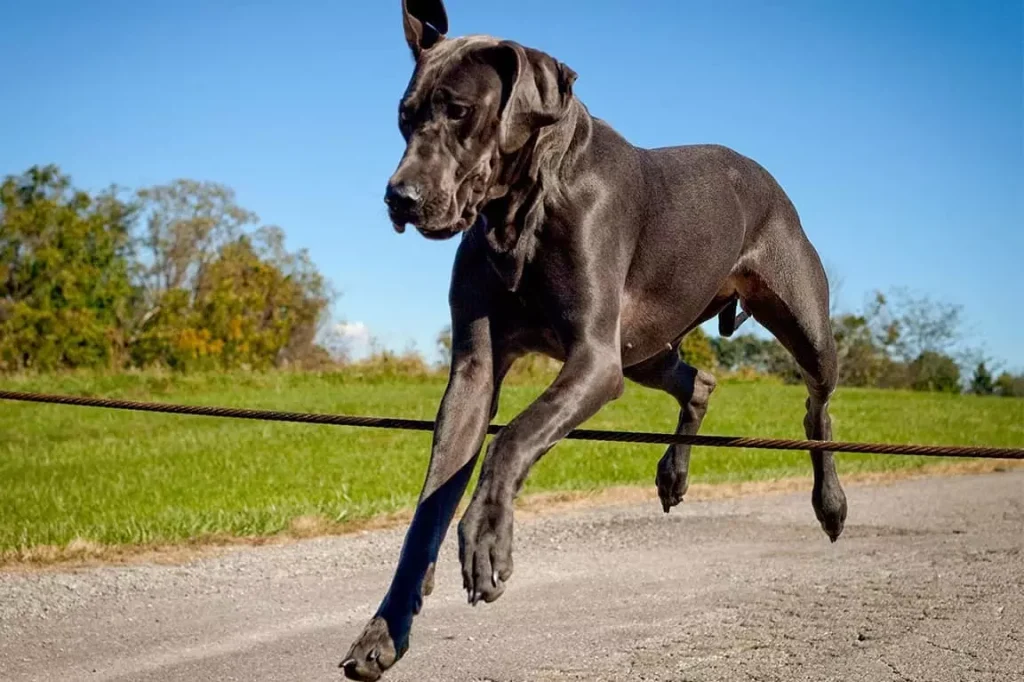
Once you know why your Great Dane is restless, you can work on helping him settle. Try these steps.
Exercise
Regular exercise helps your Great Dane burn energy. Adults usually do well with a couple of daily walks plus some play.
Good low-effort options include play dates, puzzle toys, fetch and gentle tug. Keep puppy activity short and low impact, and avoid hard exercise right before or after meals, because Great Danes are prone to bloat.
Mental Stimulation
Give your Great Dane things that work his mind, such as puzzle toys or learning new tricks. Training classes are another good outlet.
Mental work tires a dog out and can reduce restlessness.
Neutering or Spaying
Spaying or neutering may reduce some hormone-driven behaviors, such as roaming or marking, but it will not change your dog's basic energy level.
Timing matters for giant breeds. Many vets now suggest waiting until a large or giant dog has finished growing, so talk to your vet about the right age for your Dane.
Give your pooch Space
Give your Great Dane a bed or mat where he can rest. Teach him to go to that spot and settle on cue, and reward him for staying calm.
This also helps when guests arrive, since your dog has a job to do instead of jumping on visitors.
Embrace the Energy
You can also channel your Great Dane's energy into activities you enjoy together, such as hiking once he is fully grown and your vet agrees.
Every Dane has a different personality. Some are calm from early on, while others stay playful for years.
When do Great Danes puppies Calm Down?
Most Great Dane puppies calm down noticeably as they mature, usually around 2 to 3 years. Training, exercise and routine all help.
FREQUENTLY ASKED QUESTIONS
How much Exercise do the Great Danes Need?
AKC says Great Danes need a moderate amount of exercise. Set a regular routine of walks and play suited to your dog's age.
What kind of Diet do Great Danes like to Eat?
Feed a complete and balanced food made for large or giant breeds, split into at least two meals a day to lower the risk of bloat. Ask your vet about portion sizes.
Some fruits and vegetables are fine as small treats, but grapes, raisins, onions and garlic are toxic to dogs, according to the ASPCA.
Why is it Essential to Socialize with your Great Dane?
Socialization helps your Dane grow into a confident, well-mannered adult. A giant dog that is fearful or overprotective can be hard to manage, so start early.
Why Does my Great Dane pace all the Time?
Anxiety is a common cause of pacing. Strangers, storms and separation from the owner can all trigger it.
Pacing, restlessness and unproductive retching after a meal can also be signs of bloat, which is an emergency. Call your vet right away if you see them.
Is it Hard to Train Great Dane?
AKC says Great Danes respond well to firm, consistent training and are eager to please. Some can be stubborn, so be patient.
Final Words
If your Great Dane is restless, don't worry. Most Danes become calmer as they mature, usually around 2 to 3 years.
Until then, use exercise suited to his age, mental stimulation and a consistent routine to help him settle.
Want Best Nutrition for your Danes? Check Out Our These Guides:
- 8 Best Dog Food For Great Danes With Skin Allergies In 2022
- Ultimate 6 Best Wet Dog Food For Great Danes In 2022
- Ultimate 10 Best Dry Dog Food For Great Danes In 2022
- 7 Best Toys For Great Danes In 2022 | Our Top Pick & Buying Guide
- The Ultimate Secrets To FEED A GREAT DANE PUPPY In 2022
- 5 Steps About Caring For A Great Dane Puppy
Sources
- Is the Great Dane a Good Fit for Your Lifestyle?, American Kennel Club
- Facts About the Great Dane That You May Not Know, American Kennel Club
- Gastric dilatation volvulus (GDV) or "bloat", Cornell University College of Veterinary Medicine
- People Foods to Avoid Feeding Your Pets, ASPCA