How Long Can A Dog Go Without Pooping? | Reasons & Solution
Contents
- Is It Normal For a Dog to Not Poop For a Day?
- What Are the Reasons My Dog Not Pooping?
- 1. Constipation
- 2. Diarrhea
- 3. Foreign Object or Obstruction
- 4. Painkillers
- 5. Not Eating
- 6. Tumors
- 7. Over-Matted Fur
- 8. Eating insufficient or Excessive Fiber
- 9. Swollen Anal Glands
- What To Do That Makes My Dog Poop?
- Exercise Routine
- Increase Water Intake
- Increase Fiber
- Stimulates Dog Bowl Movement
- Take a Look What Your Dog Eat
- OTCs Medications
- What are the Signs of Constipation?
- What are the Causes and Treatments for Constipation?
- When do I Visit my Vet if my Dog is not Pooping?
- What will the Vet do if my Dog is not Pooping?
- How to Promote Digestion Health in my Dog?
- FREQUENTLY ASKED QUESTIONS
- How long does a Dog go without Pooping before it becomes Severe?
- What if my Dog has not Pooped in Three Days?
- How can I Stimulate my Dog to Poop?
- How can I tell if my Dog has a Blockage?
- Can a Dog get Sick from not Pooping?
- Wrapping up
- Sources
Have you noticed your dog not pooping? Skipping a day can happen, but a dog that goes several days without a bowel movement may have a health problem that needs a vet.
The question is, how long can a dog go without pooping before it becomes troubling? Most healthy dogs poop at least once a day. If your dog hasn't pooped in 48 hours, or keeps straining without passing stool, call your vet. Go right away if your dog is also vomiting, not eating, lethargic, or has a painful or swollen belly.
You should keep an eye on your dog’s pooping behavior because changes in bowel movements can point to a health issue. There are several reasons your dog may be skipping poops, so talk to your vet before it becomes a big deal.
Is It Normal For a Dog to Not Poop For a Day?
Missing a day once in a while isn't usually an emergency, especially if your dog is eating, drinking and acting normally. Watch your dog closely and call your vet if it goes 48 hours without pooping.
Travel, stress, a change in routine or diet, eating less than usual, or not finding a spot it likes can all cause a dog to skip a day.
If skipped days keep happening, something may be wrong, so ask your vet to look for the cause.
What Are the Reasons My Dog Not Pooping?
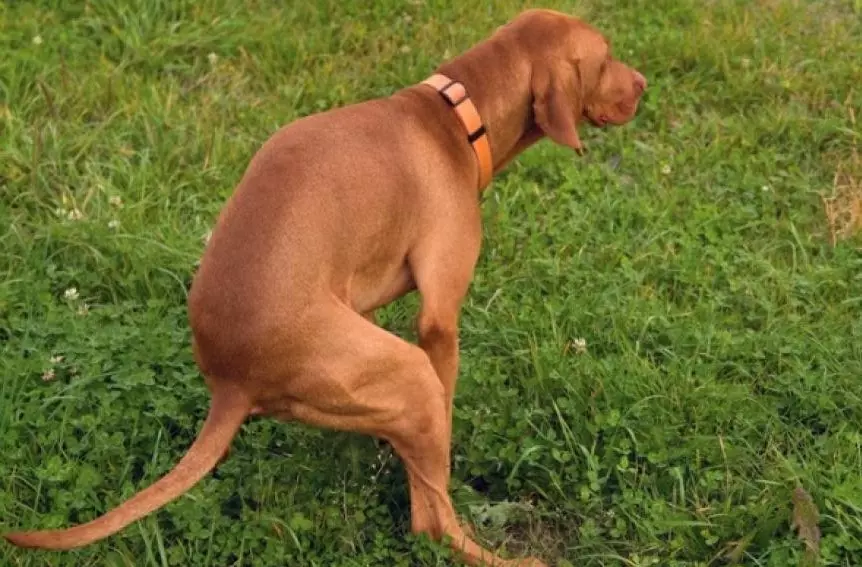
Here are a few reasons your dog might not poop and what you should do about them.
1. Constipation
A constipated dog passes small, hard, dry stools or strains without passing anything. Owners sometimes ask about over-the-counter laxatives such as MiraLAX. Only give a human laxative if your vet tells you to, and use the dose your vet gives you for your dog.
Fresh water and enough fiber also help prevent constipation. A dog that doesn't drink enough can become dehydrated, which makes stools hard and dry.
2. Diarrhea
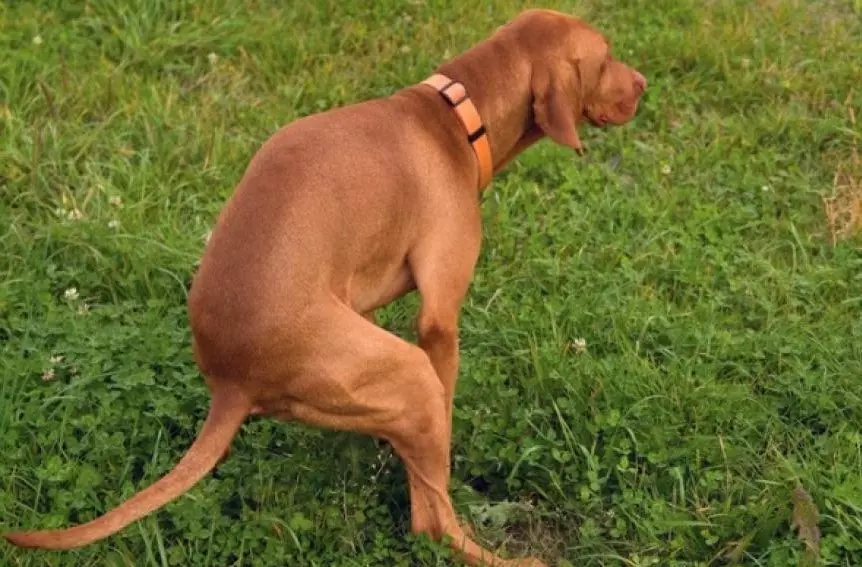
Straining can also be a sign of diarrhea or an inflamed colon, not constipation. A dog with an irritated colon may squat and strain often but pass little or only liquid stool.
Watch your dog when it goes outside to see what it passes. Since the two problems need different care, ask your vet before you treat either one. You can read more about diarrhea in our guide.
3. Foreign Object or Obstruction
Your dog may have a blockage if it has eaten something it can't digest, such as sticks, rocks, socks, toys or bones. These objects can get stuck in the dog’s digestive tract and stop anything from passing.
A blocked dog may also vomit, stop eating and have belly pain. A blockage is an emergency, so take your dog to the vet right away.
4. Painkillers
Some medicines can cause constipation in dogs. The Merck Veterinary Manual lists opioids, diuretics, antihistamines and several other drugs among the medications that can promote constipation.
If your dog becomes constipated on a pain medicine such as tramadol, call your vet. Don't stop or reduce a prescribed medicine on your own.
5. Not Eating
A dog that isn't eating will poop less, because less food is going in. This is common in dogs that are ill.
Not eating is a problem of its own, though. If your dog skips meals for more than a day, call your vet.
6. Tumors
Tumors in or around the rectum or anus can block the passage of stool. Your vet will decide on treatment, which may include surgery.
Many dogs also don't poop for a day or two after surgery of any kind. This can happen because:
- They eat less before and after surgery.
- Pain or pain medicine makes passing stool harder.
- They may be fed a highly digestible diet that produces less stool.
- They were fasted before the operation.
Ask your vet how long is normal after your dog's surgery and when to call.
7. Over-Matted Fur
Matted fur around the anus can trap stool and make it hard for a dog to poop. Keep the area trimmed and clean. A groomer or vet can safely clip badly matted fur.
8. Eating insufficient or Excessive Fiber
A low-fiber diet can lead to constipation. Too much fiber, especially without enough water, can also cause problems. A complete and balanced dog food is the best base, and your vet can tell you if your dog needs extra fiber.
9. Swollen Anal Glands
A dog with swollen or impacted anal glands may find it painful to poop. Have your vet check the glands if your dog scoots, licks the area, or strains. Don't try to express them yourself unless your vet has shown you how.
What To Do That Makes My Dog Poop?
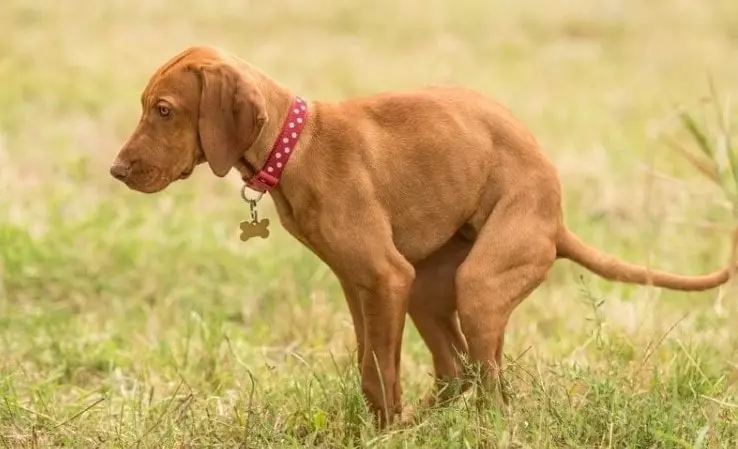
If your dog is pooping less than usual but is otherwise bright and eating, these simple steps may help. If they don't help within a day or two, call your vet.
Exercise Routine
Take your dog for a walk every day, ideally after meals. Movement helps the gut work. When your dog poops outside, praise it or give a treat so it learns what you expect.
Increase Water Intake
Make sure your dog always has clean, fresh water. A dog that doesn't drink enough can become constipated.
Increase Fiber
Fiber helps keep stools soft and regular. Plain canned pumpkin (not pie filling, which has sugar and spices) is a common fiber source for dogs. Ask your vet how much to give, and don't add fiber supplements made for people without your vet's advice.
Stimulates Dog Bowl Movement
Gently massaging your dog's belly and keeping it active can help. Don't put anything into your dog's rectum or try home enemas; the Merck Veterinary Manual notes that more severe cases may need enemas or removal of stool by a vet.
Take a Look What Your Dog Eat
If your dog is hardly pooping, look at its diet and recent habits. Constipation can be caused by diet, medicines, too little exercise, or something your dog swallowed.
Ask your vet whether your dog needs more fiber or a different food. If things don't improve, have your dog examined.
OTCs Medications
Don't give your dog any over-the-counter or human medicine, including laxatives such as MiraLAX, unless your vet tells you to.
A laxative can make an obstruction worse and can cause dehydration. Your vet needs to rule out a blockage first and will give you a safe dose for your dog's size and health.
What are the Signs of Constipation?
The symptoms of constipation are:
- Difficulty passing stools
- Whining or crying while pooping
- Vomiting
- Passing small, dry, hard feces
- Straining to poop
- Other signs of pain
- Reduced appetite
- Lethargy
If you notice these signs, call your vet. Your vet will check whether your dog is constipated or has another problem.
What are the Causes and Treatments for Constipation?
Some common causes of constipation are:
- An enlarged prostate
- A mass in the large intestine or rectum
- A perineal hernia
- Dehydration
- Kidney disease
- Swallowed objects or bone fragments
- A low-fiber diet
- Side effects of medications
- Poor appetite and not eating
The Merck Veterinary Manual's chapter on constipation says mild constipation can often be treated by avoiding dietary indiscretion, making sure the dog has access to water, and feeding a high-fiber diet. Your vet may suggest:
- A higher-fiber diet or plain canned pumpkin.
- More regular exercise.
- A laxative or stool softener chosen and dosed by your vet.
- A prescription diet.
- Enemas or removal of impacted stool at the clinic for severe cases.
When do I Visit my Vet if my Dog is not Pooping?
Call your vet if your dog hasn't pooped in 48 hours, or sooner if it strains repeatedly without passing stool. Go right away if your dog is vomiting, not eating, lethargic, or has a swollen or painful belly, because these can be signs of a blockage.
What will the Vet do if my Dog is not Pooping?
Your vet will start with a physical exam, which usually includes a rectal exam to feel for hard stool, masses or narrowing.
X-rays (radiographs) show how much stool is in the colon and can reveal bones or other objects. Blood tests may look for underlying causes.
If your dog is constipated, your vet may give an enema or remove the stool under sedation. Never give your dog an enema at home; some human enema products are toxic to pets.
How to Promote Digestion Health in my Dog?
- Feed a complete and balanced diet.
- If your dog is prone to constipation, ask your vet about a higher-fiber food.
- Keep your dog well hydrated with fresh water at all times.
- Take your dog to the vet for regular checkups.
FREQUENTLY ASKED QUESTIONS
How long does a Dog go without Pooping before it becomes Severe?
Call your vet if your dog goes 48 hours without a bowel movement. Go right away if it is also vomiting, not eating, or lethargic.
What if my Dog has not Pooped in Three Days?
Three days without pooping is too long. Take your dog to the vet, because constipation that is left untreated can lead to more serious problems.
How can I Stimulate my Dog to Poop?
A walk and a gentle belly massage can help. If your dog still can't poop, or strains without passing stool, call your vet.
How can I tell if my Dog has a Blockage?
Signs of an intestinal blockage include vomiting, weakness, loss of appetite, belly pain, diarrhea, and straining or being unable to poop. A blockage is an emergency.
Can a Dog get Sick from not Pooping?
Yes. Constipation that is left untreated can lead to obstipation, where so much hard stool builds up that the dog can't empty its colon. Signs include straining, vomiting, lethargy and loss of appetite.
Wrapping up
Many things can stop a dog from pooping, from diet and dehydration to blockages and medicines. Exercise, water and fiber help with mild cases, but call your vet if your dog goes 48 hours without pooping or seems unwell.
If you found this article helpful, share it with your loved ones. Thanks for reading!
Checkout our these Guides:
- 11 Great Danes Health Problems
- Why Do Great Dane’s Eyes Red
- When Do Great Danes Stop Growing
- How Much Does Great Dane Weight
- How To Diagnose The Symptoms Of Bloat In Great Danes
- 6 Ways To Strengthen Your Great Dane Feet
Sources
- Constipation, Obstipation, and Megacolon in Small Animals, Merck Veterinary Manual
- Disorders of the Rectum and Anus in Dogs, Merck Veterinary Manual