Why Do Cats Kick Their Food Bowl? (It’s Not About Their Food)
Contents
- Why Do Cats Kick Their Food Bowl?
- Why Do Cats Move Their Food Bowls?
- Why Do Cats Scratch Around Their Food Bowl?
- Why Do Cats Drag Their Food From Bowls?
- Should You Buy A Food Bowl For Your Pet Cat?
- What Things Need To Be Considered When Buying A Food Bowl For Your Cat?
- 2 Food Bowls For Cats
- 1. YHY anti-vomiting Cat Food Bowl
- 2. The City Kitty Food Bowl.
- Final Words
- Sources
Cats are independent animals that like to hunt and explore on their own terms, yet they can be very affectionate with people they trust. That mix is a big part of why so many people love living with them.
Cats make excellent pets regardless of whether you live in a large house or a small apartment. If you keep a cat as a pet, it pays to watch its eating habits and behavior closely, including odd habits around the food bowl.
Why Do Cats Kick Their Food Bowl?
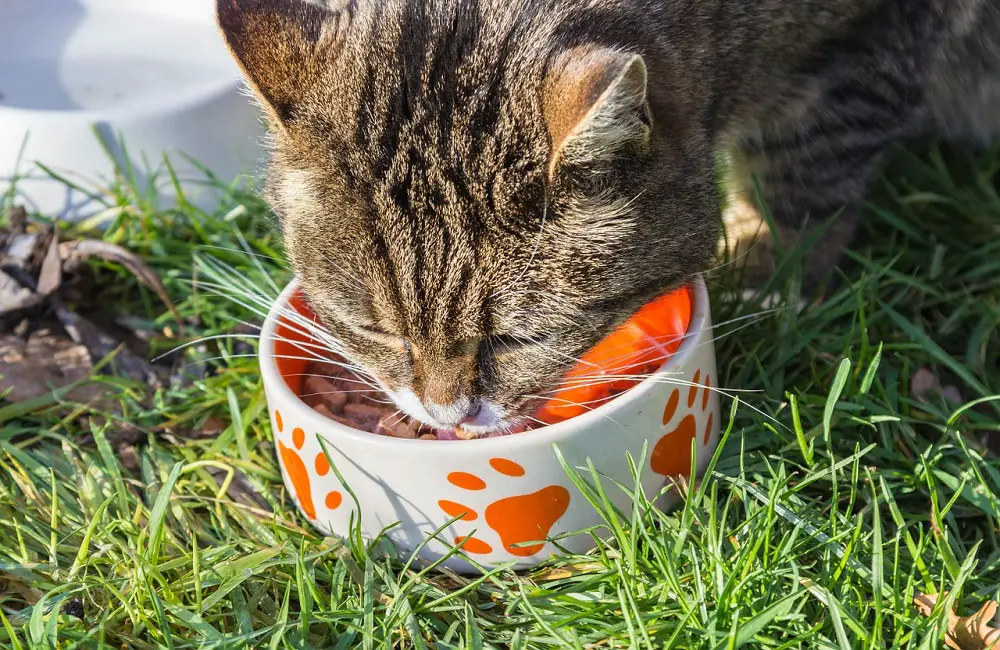
Cats see poorly at very close range, right under the nose, and rely on their whiskers and sense of smell to find food in a dish. Food stuck in a corner of a bowl can be hard to reach, so some cats paw at or push the bowl to get at it.
The bowl itself can also be the problem. Some cats seem to dislike deep, narrow bowls that press against their whiskers, and a wide, shallow dish often helps.
Other possible reasons include stale food, a bowl placed somewhere the cat doesn't like or simple play. Some cats also learn that knocking the bowl around gets their owner's attention.
Why Do Cats Move Their Food Bowls?
Your cat may relocate its food dish for various reasons, including dislike of where the bowl is, wanting it farther from the water bowl or simply knocking it while eating.
A bowl placed close to the litter box is a common cause. Cats prefer to eat away from where they eliminate, so move food and litter apart.
Busy or noisy spots can also make a cat uneasy. Try a quieter, more sheltered location, and see whether the behavior stops.
Why Do Cats Scratch Around Their Food Bowl?
Many cats paw or scratch at the floor around their bowl before or after eating, as if trying to bury the food.
The behavior likely comes from wild ancestors that covered leftover food to hide its scent from predators or competitors, or to save it for later.
It is usually harmless. If it bothers you, pick up the bowl once your cat has finished eating, or feed smaller meals so there are fewer leftovers.
Why Do Cats Drag Their Food From Bowls?
A cat that pulls food out of its bowl and eats it elsewhere may be following an instinct to carry prey to a safer spot. Your cat may simply dislike eating where the bowl is placed.
Other pets can play a part. If a dog hovers nearby at mealtime, your cat may not feel safe eating there. Feeding cats in a separate, quiet spot often helps.
If your cat's eating habits change suddenly, or it eats less, see your vet. Cornell University's Feline Health Center notes that a cat that refuses to eat can develop serious medical problems.
Should You Buy A Food Bowl For Your Pet Cat?
Yes. A proper bowl keeps food clean and makes it easier for your cat to eat comfortably.
Choosing a suitable bowl matters, just like choosing the right food. The right size and shape helps your cat eat normally without frustration.
What Things Need To Be Considered When Buying A Food Bowl For Your Cat?
The material of the bowl is one of the most important factors. Cat bowls are commonly made of glass, plastic, ceramic or stainless steel.
Glass bowls don't react with food and are easy to wash and sterilize. The downside is that they can break, and broken glass can injure your cat.
Stainless steel bowls are durable, affordable and easy to clean. They can be noisy if knocked over, but they are a safe, practical choice for most cats.
Ceramic bowls are attractive and heavy, which makes them harder to tip over. Choose ones made for food use. The FDA warns that some glazed pottery that isn't made properly can leach lead into food.
Plastic bowls are light and cheap, but they scratch easily, and scratches can hold bacteria that are hard to clean out. Replace scratched plastic bowls.
Also think about size and shape. Many cats are comfortable with a wide, shallow dish that doesn't press against their whiskers.
2 Food Bowls For Cats
Many cat food bowls are sold in pet stores and online. Here are two options:
1. YHY anti-vomiting Cat Food Bowl
This ceramic bowl is sold as an "anti-vomiting" design that raises the food off the floor. Check the listing for current sizes and colors:
2. The City Kitty Food Bowl.
This is another option for cats. Check the listing for its current material, capacity and colors before you buy:
Final Words
Kicking, moving, scratching around or dragging food from the bowl is usually normal cat behavior. It often comes down to instinct, the bowl's shape or its location.
If the habit annoys you, try a wide, shallow bowl in a quiet spot away from the litter box. If your cat's appetite or eating habits change suddenly, check with your vet.
Sources
- Feeding Your Cat, Cornell Feline Health Center
- Questions and Answers on Lead-Glazed Traditional Pottery, U.S. Food and Drug Administration