
Why Do Animals Never Get Sick? (They Do, Here's Why)
Contents
- Do Animals In The Wild Get Sick?
- Do Animals Avoid Sick Animals As Humans Do?
- Why Do Animals Do Not Get Sick Too Often As Humans?
- Diet
- Lifestyle
- Environment
- What Animals Never Get Sick?
- What Animals Have A Weak Immune System?
- Why Don’t Animals Catch Colds?
- What Do Animals Do When They Are Sick?
- Why Don’t Animals Get Sick From Eating Raw Meat?
- Why Don’t Animals Get Sick From Drinking Dirty Water?
- Final Words
- Sources
Have you ever wondered why animals or your pets look like they never get sick? Some people believe animals simply don’t get ill. That is not true, and the real reason it seems that way is more interesting.
Why do animals never get sick? Animals do get sick, including with infections, parasites and cancer. They often seem healthy because they instinctively hide signs of illness, since a weak animal is an easy target. Wild animals that do get seriously ill usually die or are eaten quickly, so we rarely see them.
Below are answers to related questions, starting with wild animals.
Do Animals In The Wild Get Sick?
Yes, animals in the wild get sick. They suffer from viral and bacterial infections, parasites, injuries, and diseases such as cancer.
There is no evidence that wild animals have stronger immune systems than pets or people. Wild animals are often heavily loaded with parasites, and many die young.
Sick wild animals tend to hide and rest. If an illness weakens them, predators, starvation or the disease itself often kill them before anyone notices.
Some animals do appear to treat themselves. Researchers have observed chimpanzees swallowing rough leaves or chewing bitter plants when they have intestinal parasites. This is often called animal self-medication.
Do Animals Avoid Sick Animals As Humans Do?
Yes. Some animals avoid sick members of their own species.
Yale researchers found that bullfrog tadpoles could detect others infected with a fungus and stayed away from them. Professor David Skelly said:
“Biologists had long speculated that animals might gain an advantage from being able to avoid diseased animals, but there was no experimental evidence.”
“If these behaviors are widespread, they could be important in making accurate predictions of the spread of disease.”
Avoiding sick animals lowers the chance of catching a disease. Many social animals, such as ants and some primates, also change their behavior around sick group members.
Why Do Animals Do Not Get Sick Too Often As Humans?
Animals may seem to get sick less often than people, but that impression comes from a few factors:
- Diet
- Lifestyle
- Environment
Diet
Wild animals eat the foods their species evolved to eat. That does not make them disease-free: food shortages, spoiled carcasses and parasites in prey all make wild animals sick.
For pets, a complete and balanced commercial diet made for their life stage is a healthy choice. Home-cooked diets are often missing key nutrients unless they are designed by a board-certified veterinary nutritionist.
If your pet seems to have trouble with its dog food or cat food, ask your vet before changing diets. Never feed pets toxic human foods on the ASPCA’s list of foods to avoid, such as onions, garlic, grapes, raisins, chocolate, or anything containing xylitol.
Lifestyle
Wild animals are active by necessity, since they must find food and avoid predators every day. Exercise helps them stay fit, just as it does for people.
Pets need daily exercise too. Regular walks and play help keep dogs and cats at a healthy weight, and obesity is one of the most common health problems in pets.
Environment
Wild animals live in the environments they are adapted to, but those environments are full of risks: parasites, extreme weather, and contaminated water.
Pollution and toxins from people also make animals sick. Lead, pesticides and plastic waste harm many wild species.
What Animals Never Get Sick?
No animal is immune to disease. You may have heard that sharks never get cancer. That is a myth: scientists have documented tumors in sharks.
Some animals do resist certain diseases better than others, and scientists study long-lived species to learn why.
What Animals Have A Weak Immune System?
Cheetahs are often cited. Cheetahs have very low genetic diversity, which researchers believe makes some populations more vulnerable to certain diseases.
Why Don’t Animals Catch Colds?
Animals do catch colds, but usually not yours. Dogs and cats get their own respiratory infections, such as kennel cough in dogs and feline upper respiratory infections in cats.
The viruses that cause the common cold in people generally do not infect pets, and pet cold viruses generally do not infect people. A few viruses, such as some influenza strains, can cross between species, so wash your hands and keep sick pets away from others.
What Do Animals Do When They Are Sick?
Sick animals often sleep more, eat less, and hide. These behaviors save energy for fighting infection.
Some animals also eat plants when they feel unwell. Dogs sometimes eat grass, though scientists are not sure why, and most grass-eating dogs are not sick.
Chimpanzees with intestinal parasites have been seen swallowing rough leaves whole, which may help clear the worms. Young chimps may learn which plants to eat by watching their mothers.
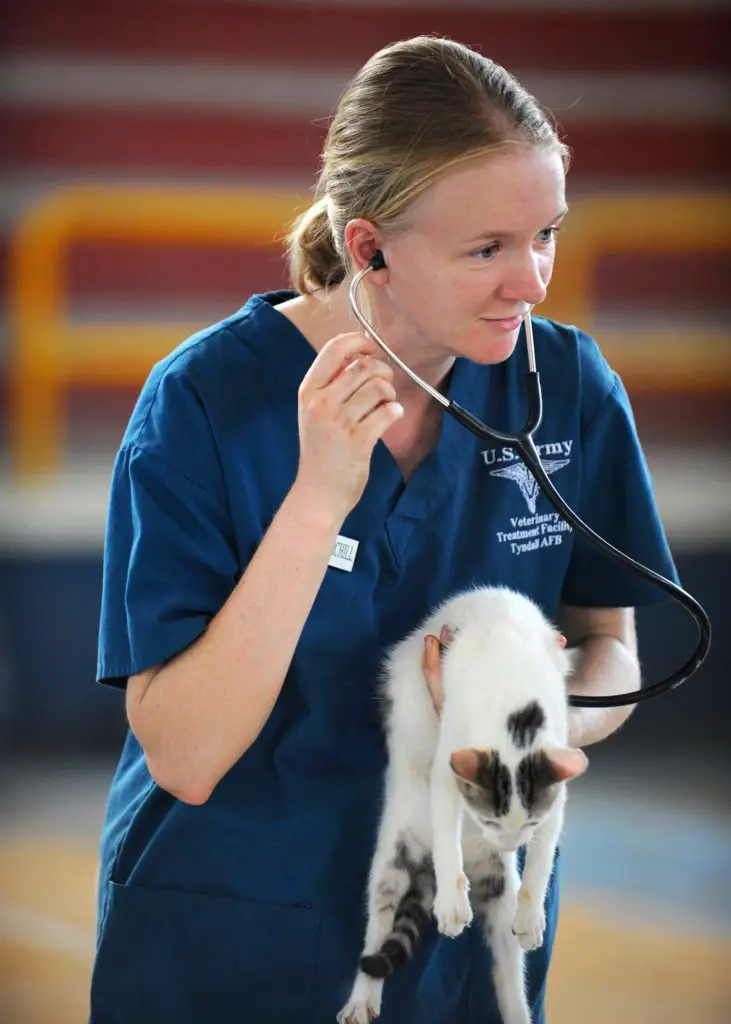
If your pet is sleeping much more, hiding, or not eating, take it to a vet. Pets hide illness well, so these signs can mean something serious.
Why Don’t Animals Get Sick From Eating Raw Meat?
They often do. Many predators have strong stomach acid, which helps kill some bacteria. Vultures and other scavengers are especially resistant to germs in rotting meat.
Pets are a different story. The FDA found Salmonella and Listeria in a share of the raw pet food samples it tested, and warns these germs can sicken both pets and the people handling the food.
You can check my article here if you want to know why animals don’t cook their food.
Why Don’t Animals Get Sick From Drinking Dirty Water?
Animals do get sick from dirty water. Puddles, ponds and streams can carry parasites such as Giardia and bacteria such as Leptospira, which can infect dogs and people.
Wild animals that drink from the same sources may build some resistance to local germs, but many still get infected. Give pets fresh, clean water and discourage them from drinking from puddles or stagnant ponds.
Final Words
Animals do get sick. They just hide it well, and sick wild animals rarely survive long enough for us to notice.
For pets, the best protection is a complete diet, clean water, exercise, vaccines, parasite control and regular vet checkups.
Source: sciencedaily.com, didyouknow.org, news.yale.edu
Sources
- Yale Scientists Find Evidence Healthy Animals Detect and Avoid Sick Animals, Yale News
- Get the Facts! Raw Pet Food Diets can be Dangerous to You and Your Pet, U.S. Food and Drug Administration
- People Foods to Avoid Feeding Your Pets, ASPCA Animal Poison Control


