Why Does My Dog Lick My Nose All The Time? (Top 9 Reasons)

Contents
- 9 Reasons Why My Dog Licks My Nose
- 1. They Love the Taste of Your Nose
- 2. Instinctive Behavior
- 3. Express Affection
- 4. Attention-Seeking
- 5. Submissive Gesture
- 6. Grooming
- 7. Curiosity
- 8. Excitement
- 9. Boredom
- Tips on How to Stop My Dog From Licking My Nose
- Conclusion
- Frequently Asked Questions
- Why does my dog lick my nose in the morning?
- Should I let the dog lick my nose?
- How can I stop my dog from licking my nose?
- Sources
Many dogs greet their people with a quick lick on the nose or face. It is usually friendly, but it can leave you wondering why your dog does it and whether you should let it.
Licking is a normal dog behavior with several possible meanings. Here are the most common ones, plus how to discourage it if you prefer.
9 Reasons Why My Dog Licks My Nose
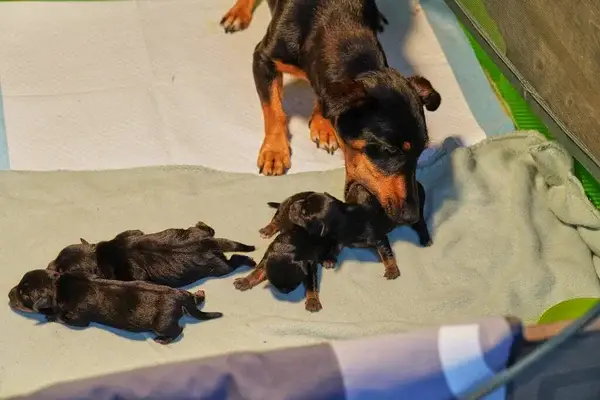
Licking starts early. Mother dogs lick their newborn puppies to clean them and stimulate them, and puppies lick their mother's face and mouth.
Face licking is widely seen as a friendly, social gesture between dogs and toward people.
Dog saliva carries bacteria, so licks on the face are not risk-free. Serious infections are rare, as we explain below.
Here are the main reasons your dog licks your nose:
1. They Love the Taste of Your Nose
Your skin carries salt, oils, and the smells of whatever you have eaten or put on your face. Your dog may simply like the taste.
Lotions, lip balm, or food crumbs can make your face even more interesting.
Dogs use their noses and tongues to explore. A lick lets your dog check out an interesting smell up close.
2. Instinctive Behavior
Licking is one of the first things puppies experience. Their mother licks them to clean them, and puppies lick their mother's face.
Smelling and licking are central to how dogs explore and greet.
As adults, many dogs keep licking as a way to greet the people and dogs they know.
3. Express Affection
Many owners read a nose lick as a dog kiss. It is often part of an excited, friendly greeting toward someone the dog knows well.
Licking is part of how many dogs bond with their family.
4. Attention-Seeking
Dogs quickly learn what gets a reaction. If you laugh, cuddle, or talk to your dog when it licks your nose, it will likely do it again.
That is why some dogs lick their owner's face to wake them up in the morning. It worked before, so they keep doing it.
5. Submissive Gesture
Dogs sometimes lick another dog's face to calm things down or show they mean no harm. This is often called appeasement behavior.
Your dog may do the same with you, especially if you seem upset or tense. The old idea that you must be the "alpha" or pack leader is outdated. The American Veterinary Society of Animal Behavior recommends rewarding good behavior rather than trying to dominate your dog.
6. Grooming
Dogs groom each other by licking. A lick on your nose may be a social grooming gesture that reinforces your bond.
7. Curiosity
Dogs explore with their noses and tongues. If something new is on your face, such as a new lotion or food smell, your dog may lick to investigate.
8. Excitement
Many dogs lick faces when they are excited, such as when you come home. The licks are part of a happy greeting along with tail wagging and jumping.
9. Boredom
A bored dog may lick to pass the time or get your attention. If it happens a lot, your dog may need more exercise and mental stimulation.
If your dog licks itself, objects, or surfaces constantly, talk to your vet. Excessive licking can be a sign of nausea, pain, skin problems, or anxiety.
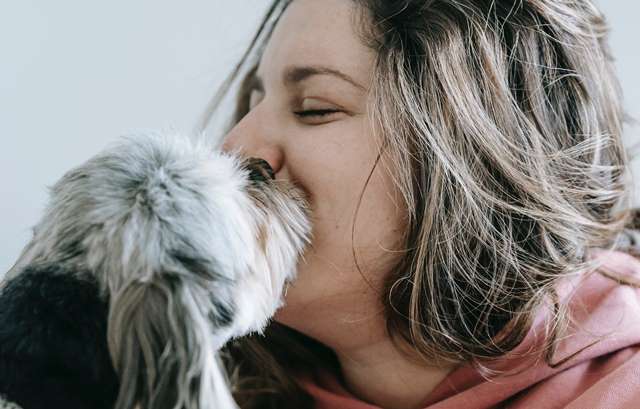
Tips on How to Stop My Dog From Licking My Nose
Training, rewards, and consistency work best. If you have a weakened immune system, it is a good idea to stop this behavior.
Animals can pass some germs, including certain zoonotic viruses and bacteria, to people. According to the CDC, Capnocytophaga bacteria are common in dog and cat mouths and rarely cause illness, but people with weakened immune systems are at greater risk. Here are some tips:
Redirect Attention: When your dog starts licking your nose, gently turn away and ask for a behavior like "sit." Reward it when it complies.
Use a Command: Teach a cue such as "enough" and use it consistently. Reward your dog when it stops.
Positive Reinforcement: Reward your dog with treats, praise, or affection for greeting you without licking your face.
Teach an Alternative Behavior: Train your dog to offer a paw or sit for greetings instead. Reward the new behavior every time at first.
Stay Calm: Avoid yelling or pushing your dog away roughly. Calmly turning away removes the reward of your attention.
Create Boundaries: Avoid putting your face right next to your dog's face if you do not want licks. Reward your dog for keeping four paws on the floor.
Provide Mental and Physical Stimulation: Give your dog regular exercise, playtime, and puzzle toys. A well-exercised dog is less likely to lick out of boredom.
Consistent Training: Make sure everyone in the household follows the same rules and uses the same cues.
Professional Training Help: If the behavior persists, consider a certified trainer who uses reward-based methods, or ask your vet for a referral to a veterinary behaviorist.
Training takes time and patience. Stay consistent and keep it positive.
Conclusion
Nose licking is a normal dog behavior. It is usually a greeting, a sign of affection, a bid for attention, or a calming gesture.
Most healthy people can let their dog lick them without serious risk. Avoid licks on your face, especially near your mouth, nose, eyes, or any broken skin, if your immune system is weak. Wash your face and hands after licks if you are unsure.
Frequently Asked Questions
Why does my dog lick my nose in the morning?
Your dog is probably greeting you and asking for attention. If licking your face has earned cuddles before, your dog will keep using it as a wake-up call.
Should I let the dog lick my nose?
It is better to avoid it. Your mouth, nose, and eyes are entry points for germs. Serious infections from dog saliva are rare, but people with weakened immune systems should avoid face licks.
How can I stop my dog from licking my nose?
Turn away calmly, ask for an alternative behavior like "sit," and reward your dog when it complies. Be consistent and make sure everyone in your home does the same.
Sources
- Capnocytophaga: About, Centers for Disease Control and Prevention
- Position Statement on the Use of Dominance Theory in Behavior Modification of Animals, American Veterinary Society of Animal Behavior