
Why Don’t Animals Cook Their Food? The Truth!
Contents
Have you ever wondered why animals never cook their food? Watch any wildlife documentary and you'll see predators eating raw meat without a second thought. So why don't they cook?
Why don’t animals cook their food? Animals don't cook because no other species controls fire to prepare food. They also don't need to: their teeth, stomachs and gut microbes are adapted to raw food. Humans are the only animals that cook.
Let's look at why humans started cooking, how animals prepare food in their own ways, and what this means for your pets.
https://www.youtube.com/watch?v=iwMqsKDTdQ0
Why Do Humans Cook Food When Animals Do Not?
Our ancestors began cooking after they learned to control fire. Exactly when that happened is still debated, but it was hundreds of thousands of years ago.
Cooking makes food softer and easier to chew and digest. Research suggests it also lets our bodies get more usable energy from many foods, especially starchy plants and meat, compared with eating them raw.
No other animal has learned to make and control fire. That takes planning, tool use and knowledge passed down between generations, which is why cooking stayed a human skill.
Cooking also kills many of the germs and parasites found in raw meat. That made food safer for our ancestors.
Over time, cooking became part of human culture. We cook for flavor, for tradition and to share meals with others.
Animals, by contrast, are adapted to their raw diets. Their teeth and digestive systems handle the foods they eat in the wild.
Do Any Animals Prepare Food Like Humans Do?
No animal cooks, but some prepare their food in clever ways.
Some birds soften food or break it open before eating. Gulls and crows drop shellfish or nuts onto hard surfaces to crack them open.
Ants have narrow waists and can't swallow solid food. In many species, adults carry solid food to their larvae, which digest it and share liquid food back with the colony.
Some monkeys wash food before eating. Japanese macaques are famous for washing sweet potatoes in water.
Many animal parents chew and regurgitate food for their young. Some predators also cache, or bury, food to eat later.
None of this is cooking, but it shows animals working to make their food easier to eat and digest.
Why Animals Can Eat Raw Meat But Humans Can’t?
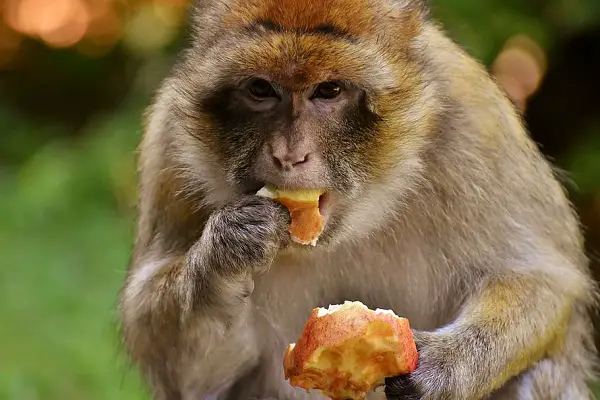
Many carnivores and scavengers have very acidic stomachs and short digestive tracts. That helps them process raw meat and reduces the risk from many bacteria. Their teeth are also built to tear meat.
Humans can eat raw food too. Sushi, steak tartare and carpaccio are all raw. But raw meat and fish carry a higher risk of foodborne illness, so they need careful handling.
Cooking breaks down tough proteins and fibers, making food easier to chew and digest. Heat also kills most harmful bacteria and parasites.
Wild animals do get sick from germs and parasites in their food. Diseases such as bird flu can spread between animals, and some can spread to people. That's one more reason to cook meat thoroughly.
Do Wild Animals Get Sick From Eating Raw Meat?
Yes, sometimes. Raw meat can carry bacteria and parasites, and wild animals do get sick from them. But animals adapted to raw diets have defenses that make serious illness less likely.
Strongly acidic stomachs, like those of vultures and many carnivores, kill many bacteria before they reach the gut. Herbivores generally have less acidic stomachs.
That protection isn't perfect. Wild animals still pick up parasites and infections from their food, and many carry parasites throughout their lives.
Do Animals Get Sick From Drinking Dirty Water?
Yes. Animals can get sick from contaminated water, including parasites, bacteria and toxins from algae blooms.
For pets, this matters. Dogs can pick up infections such as giardia and leptospirosis from puddles, ponds and streams. Some algae blooms in lakes and ponds can be deadly to dogs, so keep them out of water that looks green or scummy.
Give your pets fresh, clean drinking water, and bring water on walks and hikes.
Can Pets Eat Raw Meat?
The next question people often ask is if their pets can eat raw meat. Let me answer that.
Dogs and cats can physically eat raw meat, but vets generally advise against raw diets. The U.S. Food and Drug Administration found raw pet food was more likely to carry Salmonella and Listeria than other pet food types, a risk to both pets and the people handling it.
If you do handle raw meat or raw pet food, wash your hands, clean surfaces and bowls, and keep it away from human food.
Some owners look for home-cooked food if you don’t want to feed them some processed foods like dog or cat foods. Plain cooked chicken is fine as an occasional treat, but home-cooked diets often miss key nutrients. Cats, for example, need taurine, and a deficiency can cause heart and eye disease.
Feed a complete and balanced commercial diet, or a home-cooked recipe designed by a veterinary nutritionist. Never feed bones or foods the ASPCA lists as dangerous for pets, such as onions, garlic, grapes, raisins, chocolate and xylitol. Ask your vet before changing your pet's diet.
Final Verdict
To conclude this, let me tell you again why animals don’t cook their food.
Animals don't cook because no other species controls fire, and their bodies are adapted to raw food. Cooking is a uniquely human skill that makes food easier to digest and safer to eat.
For your pets, stick with complete and balanced food and talk to your vet before making big diet changes.
Sources
- Get the Facts! Raw Pet Food Diets Can Be Dangerous to You and Your Pet, U.S. Food and Drug Administration
- People Foods to Avoid Feeding Your Pets, ASPCA Animal Poison Control Center


