Do Cats Get Tired Of Meowing? Yes Or No?
Contents
- 10 Reasons Why Cats Meow
- Meowing As Communication
- Alarm Or Fear
- Seeking Your Attention
- Boredom
- Asking For Food Or Water
- Asking To Let In Or Out
- To Find A Mate
- Pissed Off
- Stressed
- The Cat Is Hurt
- How To Stop Excessive Meowing In Cats?
- Reward A Good Behavior
- Spend Time With Your Cat
- Make Sure Your Cat Is Healthy
- Feed Your Cat On Time
- Make Sure They Have Water
- Always Open The Doors
- Buy Toys For Your Cat
- Conclusion
- Sources
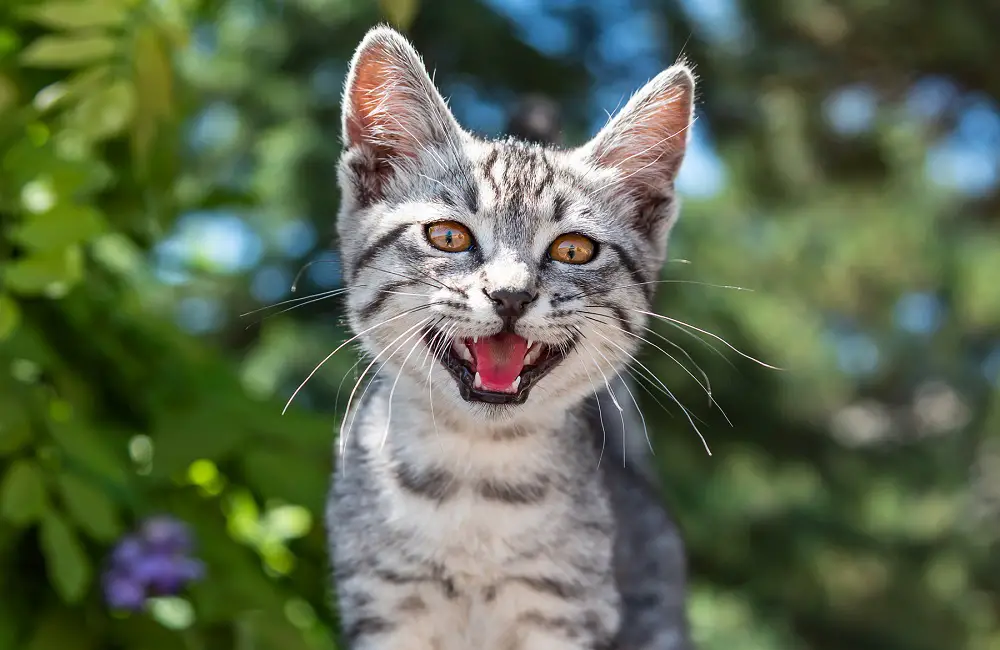
Do you have a chatty cat? Meowing is normal. Cats meow to get attention, ask for food or water, or let you know they're stuck behind a closed door. But can a cat meow so much that it wears itself out?
Do cats get tired of meowing? A cat that wants something will keep meowing until it gets it or gives up for a while. It may rest and then start again. Meowing that keeps going for no clear reason can signal a problem, so it's worth finding the cause.
Below are the common reasons cats meow and tips for cutting down excessive meowing.
10 Reasons Why Cats Meow
Before trying to reduce meowing, figure out why your cat is doing it.
Meowing As Communication
Meowing is mostly how cats talk to people. The ASPCA notes that adult cats generally don't meow at each other. Kittens meow to their mothers, and adult cats keep meowing mainly for humans.
Many cats greet you with a meow when you come home or walk into the room. Some greet visitors the same way.
Alarm Or Fear
Some cats meow when they are scared or uneasy. If your cat seems fearful much of the time, talk to your vet about why.
A cat that meows when you close your bedroom door at night may simply want to be with you.
Seeking Your Attention
Cats learn that meowing gets a reaction. If you're busy and your cat isn't getting much interaction, it may meow to start play, get petted or have you talk to it.
Boredom
Cats without enough activity can get bored, especially cats that are alone for long periods.
A bored cat may meow at night or when you leave. Daily play, puzzle feeders and toys can help. Some cats also enjoy a feline companion.
Check out the best toys for cats that like to hunt here!
Asking For Food Or Water
Hungry or thirsty cats often meow, especially near mealtime. Cats quickly learn their feeding schedule and will remind you if dinner is late.
Some cats meow in the kitchen while you cook or wake you up early for breakfast.
Asking To Let In Or Out
Cats meow at doors to be let in or out. If you're switching an outdoor cat to life indoors, expect a period of meowing at doors and windows. Be patient. It can take weeks or months to settle.
To Find A Mate
An unspayed female in heat meows loudly and often, and she may seem extra affectionate or restless. According to the ASPCA, heat usually lasts four to ten days.
Unneutered males may pace and meow nonstop when they hear or smell a female in heat. Spaying or neutering is the best way to stop this.
Pissed Off
Angry cats yowl, a long, loud cry. Two cats may yowl at each other over territory or a mate, and the standoff can turn into a fight. Check the video below about the two cats yowling at each other:
https://www.youtube.com/watch?v=d7Xf7brOPzw
Stressed
Stressed cats often become more vocal. A car ride to the vet, a new home, or conflict with another cat in the house can all set off extra meowing.
The Cat Is Hurt
Pain or illness can cause excessive meowing. If your cat suddenly meows much more than usual, take it to the vet.
Older cats are especially prone to medical causes. Conditions such as an overactive thyroid or kidney disease can increase vocalizing. The ASPCA also notes that senior cats with cognitive dysfunction may meow when they become disoriented, often at night.
How To Stop Excessive Meowing In Cats?
Once you know the reasons, you can work on reducing the meowing. Here are the basics.
Reward A Good Behavior
If you feed or pet your cat every time it cries, it learns that meowing works. Wait until your cat is quiet, then give it what it wants.
Reward quiet behavior with attention or a treat. Never yell at or hit your cat. Punishment doesn't fix meowing and can make your cat fearful.
Spend Time With Your Cat
Many cats meow for attention. Schedule daily play and petting sessions so your cat gets attention without having to demand it.
Cats can be independent, but most still want regular time with their people.
Make Sure Your Cat Is Healthy
Excessive meowing can be a sign of illness, hearing loss or, in older cats, cognitive decline. If your cat's meowing changes suddenly or comes with other odd behavior, see your vet.
Feed a complete and balanced commercial cat food. Cornell's Feline Health Center notes that homemade diets are hard to get right, so plain cooked meat shouldn't replace your cat's regular food. Small amounts of plain cooked chicken or fish are fine as an occasional treat.
Feed Your Cat On Time
One reason your cat meows is to remind you it's mealtime. Feed on a regular schedule, and ask your vet how much your cat should eat each day.
An automatic feeder can stop early-morning wake-up calls.
Make Sure They Have Water
Always keep fresh water available. Check the bowl often, since an empty bowl is a common reason for meowing.
A cat that stops eating can quickly develop serious health problems. See your vet if your cat refuses food for more than a day.
Always Open The Doors
Cats often meow when they're shut in or shut out of a room. If it's safe, leave interior doors open so your cat can move freely. Make sure hazards like chemicals and cords are out of reach.
Buy Toys For Your Cat
Boredom can cause meowing, so give your cat toys and rotate them to keep things interesting. If you can care for two cats, a compatible companion can also help.
Conclusion
Cats can take a break from meowing, but they'll usually start again if they still want something. Most meowing is a request for attention, food, water or access to a room.
Pay attention to what your cat is telling you. If your cat meows much more than usual or seems unwell, see your vet as soon as possible.
Source: livescience.com, pets.webmd.com, petfinder.com
Sources
- Meowing and Yowling, ASPCA
- Feeding Your Cat, Cornell Feline Health Center, Cornell University College of Veterinary Medicine