Unveiling the Enchanting World of Rabbits: Surprising Facts About These Fluffy Friends

Contents
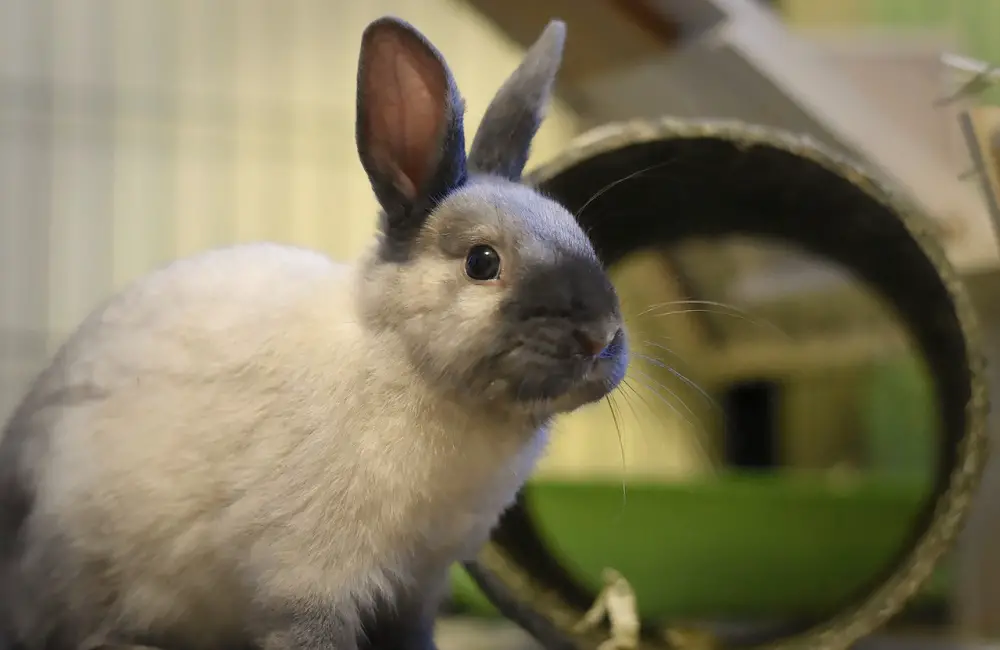
Rabbits are known for their soft fur, cute looks, and twitching noses. Even if you think you know them well, they have a few surprises.
Rabbits are popular pets around the world. There are communities devoted to them, such as Rabbit Life Hack, where owners share knowledge and advice.
Here are some surprising facts about how rabbits live, eat, and communicate.
Remarkable Reproduction
Rabbits are well known for breeding quickly. Pregnancy lasts only about a month, so a female rabbit, called a doe, can have several litters of babies, called kits, in a single year.
This fast reproduction helps wild rabbits survive heavy losses to predators. It is also a big reason vets recommend spaying and neutering pet rabbits.
Binkies And Bunny Leaps
Have you ever seen a rabbit leap into the air and twist mid-jump? This move is called a "binky."
It involves sudden jumps, twists, and kicks. Binkies are a sign of a happy, relaxed rabbit.
Teeth That Never Stop Growing
Rabbits are lagomorphs, not rodents. One difference is a second, smaller pair of upper incisors called "peg" teeth.
According to a pet rabbit care sheet from the Animal Medical Center, both the incisors and molars keep growing throughout a rabbit's life, and dental problems are very common.
Chewing fibrous grass hay wears the teeth down. That is why unlimited grass hay should be the base of a pet rabbit's diet.
Superb Hearing Skills
Rabbits have excellent hearing. Their large ears can turn independently, which helps them pinpoint where a sound is coming from.
This sharp hearing helps rabbits stay alert to predators.
Burrow Builders
Pet rabbits descend from the European wild rabbit, which digs burrow systems called warrens. Warrens can have several chambers and entrances, with escape routes for when a predator appears.
Not all wild rabbits dig. North American cottontails, for example, usually rest in shallow nests above ground.
Herbivorous Diet
Rabbits are herbivores, and most of their digestion happens in the hindgut, especially the cecum. High-fiber grass keeps their gut moving normally.
Rabbits produce two kinds of droppings: hard, dry pellets and soft cecotropes. Eating the cecotropes, usually at night, is normal and gives rabbits important proteins and vitamins.
Wide Range Of Breeds
There are well over 50 rabbit breeds, from dwarf to giant. Netherland Dwarfs are among the smallest, and Flemish Giants are among the largest.
Different breeds come in a wide range of fur colors, patterns, and textures.
Conclusion
Rabbits are more than cute and cuddly. From their ever-growing teeth to their happy binkies, they have plenty of surprising traits. If you keep a pet rabbit, regular checkups with a rabbit-savvy vet help catch dental and digestive problems early.
Sources
- Pet Rabbits General Care Sheet, Animal Medical Center