Why Do Chickens Like Mirrors? This Is The Reason Why!
Contents
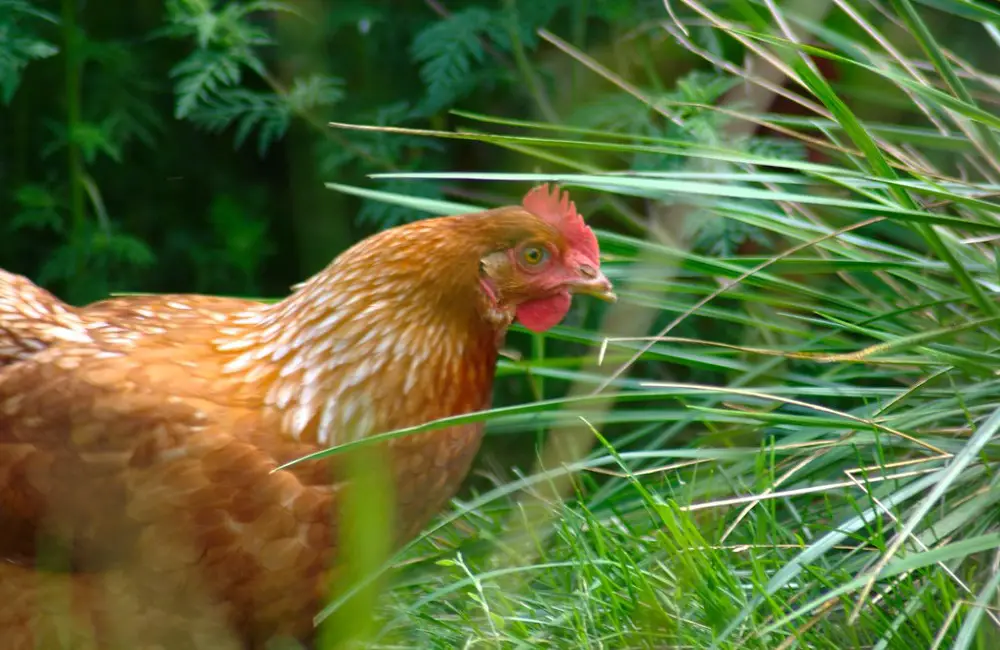
Have you seen your chickens stare at, strut toward or peck at their reflection? Many backyard keepers notice this, and some hang a mirror in the coop on purpose.
Why do chickens like mirrors? A mirror gives chickens something new to look at and react to. A chicken most likely sees its reflection as another bird, so it may watch it, display to it or peck at it. Shiny, moving reflections also catch their attention and can break up a dull day in the coop.
If you add a mirror, use a shatterproof one, such as acrylic or polished metal. Fix it firmly in a spot where it can't fall, because broken glass can badly injure chickens.
Do Chickens Become Entertained When Facing The Mirror?
Many do. Chickens are curious and spend most of their waking time pecking, scratching and investigating anything new.
A reflection moves when they move, which holds their attention. Some birds lose interest after a few days, so rotate the mirror with other kinds of enrichment.
Do Chickens Recognize Themselves In Mirrors?
There is no good evidence that they do. Chickens appear to treat their reflection as another chicken, not as themselves.
That is why some birds puff up, peck or try to fight the "other" bird, while others simply stare.
Watch how your flock reacts. If a rooster or a bossy hen keeps attacking the mirror and seems stressed, take it out.
Why Do Chicken Owners Put Mirrors Near Their Chickens?
Owners use mirrors as cheap enrichment. Enrichment gives birds safe outlets for natural behavior, which can help reduce problem pecking.
Do Chickens Get Bored?
Yes, in the sense that chickens kept without enough to do can become frustrated. Foraging takes up most of their day: backyard chickens spend around 61 percent of their active time foraging and feeding, according to the Alabama Cooperative Extension System.
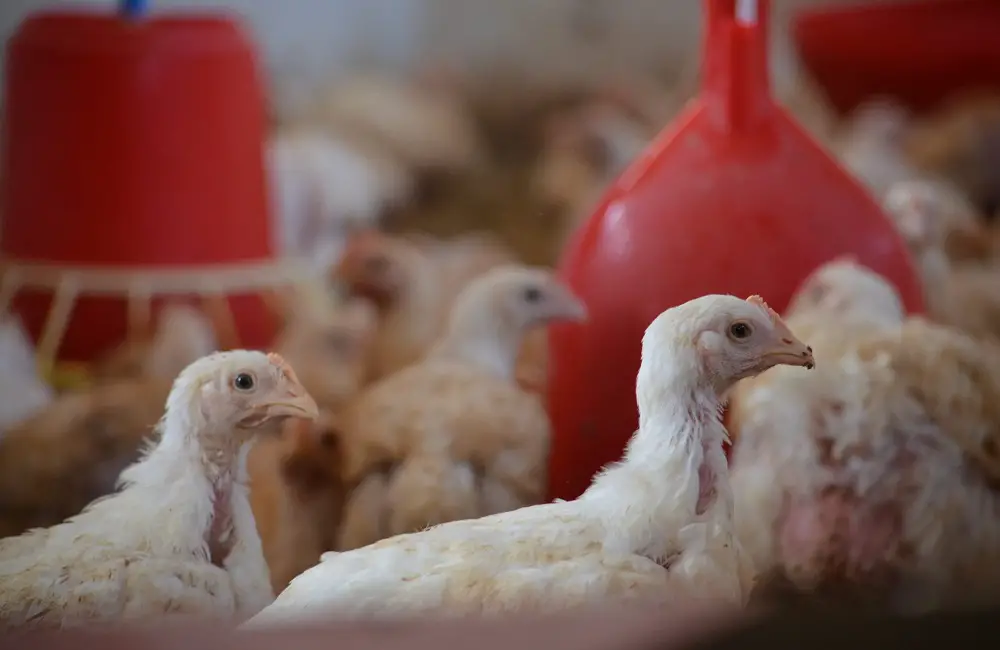
Birds that can't forage, dust bathe or move freely may start pecking at each other's feathers. That can lead to injuries and, in bad cases, cannibalism.
Overcrowding is a known trigger, so give your flock enough room in the coop and run. Space at feeders and drinkers matters too, because competition there fuels pecking.
Frustration is also linked to egg eating. The Merck Veterinary Manual notes that egg eating usually starts with a broken egg, spreads as other hens copy it, and is almost impossible to stop once it starts.
To prevent it, provide soft nesting material, collect eggs often and clean up any broken eggs right away.
Five Other Great Ways To Keep Your Chickens Entertained
Aside from mirrors, these ideas give chickens something to do:
Treat Cakes – Seed or feed blocks give chickens something to peck at for a long time. Keep treats to a small share of the diet so your birds still eat their complete feed.
Tetherball Toys – Hang a head of cabbage or lettuce from a rope or chain so it swings as they peck. Hang it at about head height.
Leaf Litter – In autumn, add a pile of pesticide-free leaves for your chickens to scratch through. They will hunt for insects and seeds, and you can scatter a few treats inside to keep them busy.
Dust Bath – Keep one area of loose, dry soil, and mix in some sand if you like. Dust bathing is a normal comfort behavior that helps keep feathers in good condition.
Warm Treats – On cold days, offer a small amount of cooked lentils, beans or grains such as quinoa. Always cook dried beans fully; never feed them raw.
Final Thoughts
Chickens react to mirrors because they see what looks like another bird and something new to investigate.
A securely mounted, shatterproof mirror can be one part of an enrichment plan. Space, foraging opportunities and a good dust bath matter more for keeping your flock calm and healthy.
Further reading: lincolncountyfarmcenter.com
Sources
- Behavior Problems of Poultry, Merck Veterinary Manual
- Common Backyard Chicken Behaviors, Alabama Cooperative Extension System
- Feather Pecking and Cannibalism in Small and Backyard Poultry Flocks, Small and Backyard Poultry (Extension)