
9 Animals That Wallow In Mud (With Pictures)
Contents
- These Are The Animals That Wallow In Mud
- Buffalos
- Cattle
- Pigs
- Rhinos
- Elephants
- Hippopotamus
- Cranes
- Hyenas
- Deer
- Why Do Animals Wallow In Mud?
- To Take A Bath
- To Keep Cool
- Protection Against Sunburn
- Remove Biting Insects
- Cure Their Wounds
- Animals That Live In Mud
- Worms
- Bivalvia
- Anemones
- Brittle Stars
- Cockles
- Crabs
- Clams
- Animals That Eat Mud
- Elephants
- Deer
- Apes
- Birds
- Bats
- Worms
- Final Words
- Sources
Have you ever seen a dog or a cow roll around in mud and wondered why?
Animals wallow in mud for several practical reasons. Mud helps animals cool down, protects their skin from the sun and helps keep biting insects away.
Below, we look at nine animals that wallow in mud, then at animals that live in mud and animals that eat it.
These Are The Animals That Wallow In Mud
Here are the animals that wallow in mud:
- Buffalos
- Cattle
- Pigs
- Rhinos
- Elephants
- Hippopotamus
- Cranes
- Hyenas
- Deer
Buffalos
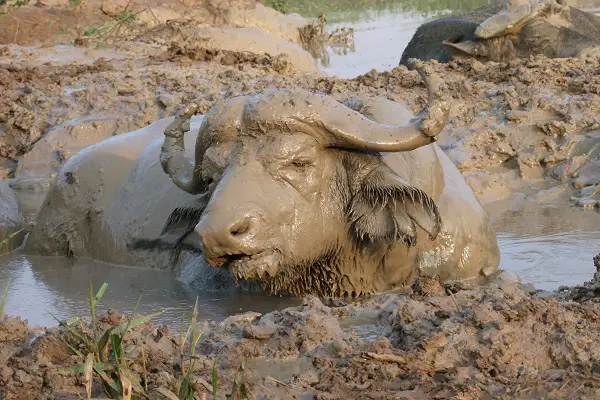
The best-known buffalos are the African (Cape) buffalo and the Asian water buffalo. They live in grasslands, wetlands and forests, and large males can weigh close to a ton.
Why do buffalos wallow in mud? Mud and water help buffalos stay cool in the heat. A coat of mud also helps protect their skin from biting insects.
Water buffalo in particular spend much of the hottest part of the day in water or mud.
Cattle
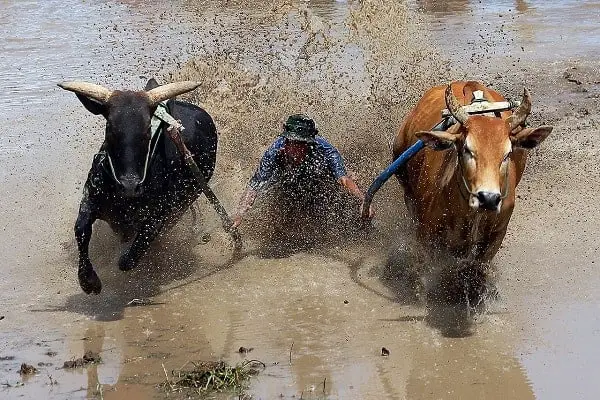
Female cattle are called cows and males are called bulls. Cattle are ruminants, so they spend many hours a day chewing their cud, and they rest lying down for much of the day.
Cattle are raised for milk, meat and leather, and in many places they still pull plows and carts. Some people even keep Cows as pets.
Why do cattle wallow in mud? Cattle usually don't wallow on purpose the way pigs do, but in hot weather they will stand or lie in mud and water to cool off and escape biting flies.
Pigs
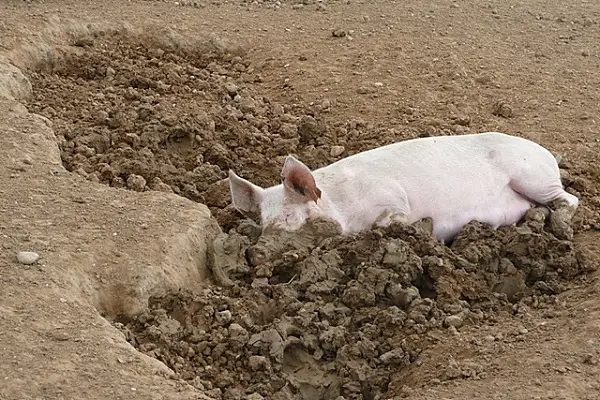
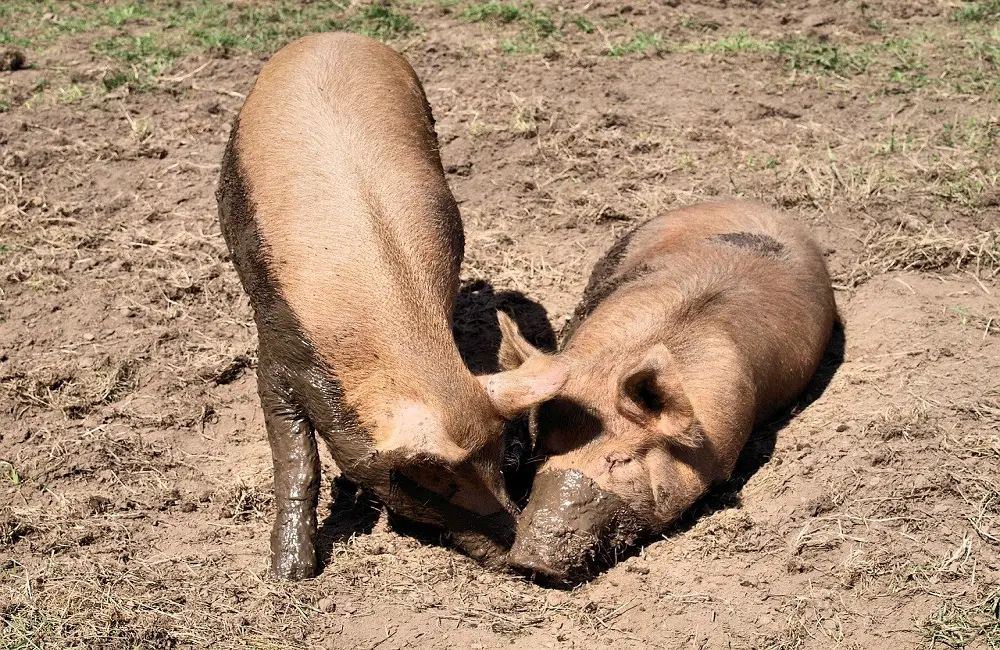
Pigs are raised on farms around the world, and wild pigs live on most continents. Pigs are among the smartest farm animals and have good memories.
Pigs have very few working sweat glands, so they can't cool off by sweating. That is the main reason they wallow.
Why do pigs love to wallow in mud? Wallowing cools pigs down as the wet mud evaporates. A coat of mud also works as sunscreen and helps keep biting insects off their skin.
Given a clean option, pigs keep their sleeping area clean and use a separate spot as a toilet.
Rhinos
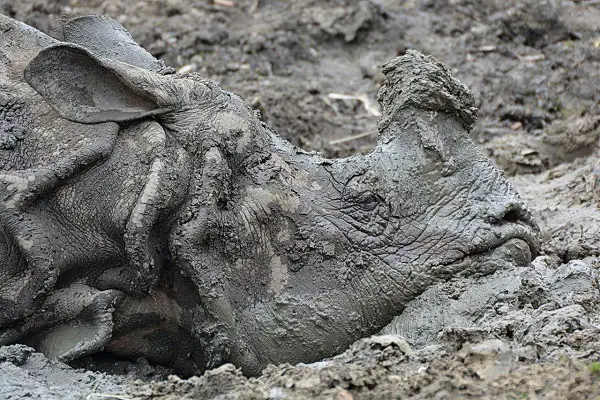
There are five species of rhinos, and they are all huge. Rhinos have poor eyesight but a good sense of smell and hearing. They live in Africa, India, Nepal and the islands of Sumatra and Java.
Rhinos are mostly solitary, though a group of rhinos is called a crash. All rhinos use mud.
Why do rhinos love to wallow in mud? Rhinos roll in mud and let it dry on their skin. The mud works as sunscreen, helps them stay cool and protects them from biting insects. They then rub against trees and rocks, which helps scrape off parasites.
Elephants
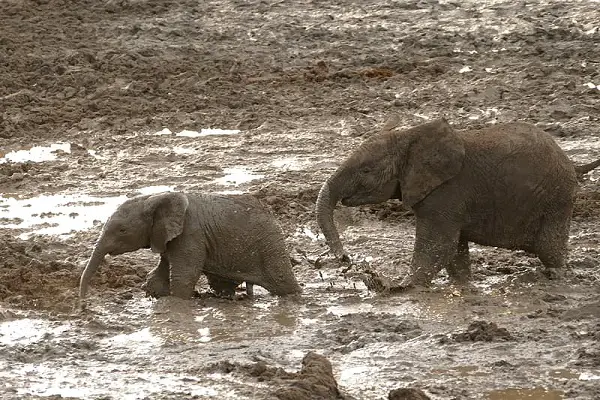
Elephants are the largest land animals on Earth. They live in family groups, and their tusks are actually long incisor teeth.
There are African elephants, which live across much of Africa south of the Sahara, and Asian elephants, which live in India and Southeast Asia. They live in forests, grasslands, savannas, wetlands and deserts.
Why do elephants wallow in mud? Elephants protect their skin from the sun and bugs by covering themselves with dirt, sand and mud. Mud and water also help them stay cool.
Hippopotamus
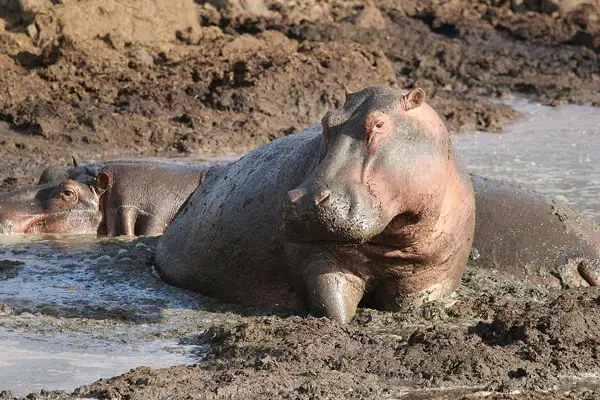
Hippos live in rivers, lakes and swamps in Africa. They are among the largest land animals, similar in size to the white rhino. Male hippos can weigh up to about 9,900 pounds.
Hippos don't have true sweat glands. Their skin releases a thick red fluid, often called "blood sweat," that helps protect it from sunburn and keeps it moist.
Hippos spend most of the day in water or mud because their skin needs to stay wet in the hot sun. You will often see hippos wallowing together, including mothers with their young.
Cranes
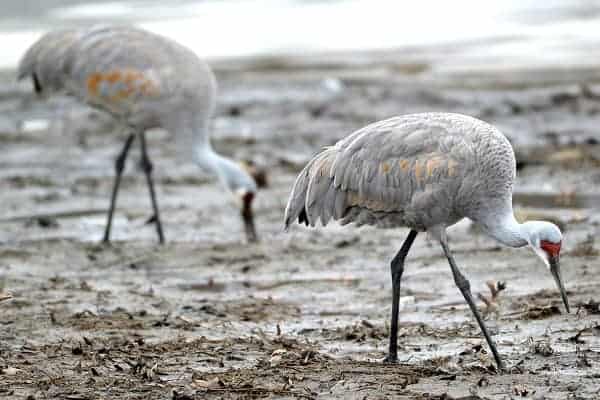
Cranes live in wetlands, marshes, grasslands and farm fields. They are strong fliers, and some species migrate over the Himalayas. Cranes usually form long-term pair bonds.
Cranes don't wallow the way pigs do, but some, like sandhill cranes, rub mud into their feathers. This turns their gray feathers a rusty brown, which may help them blend in while nesting.
Hyenas
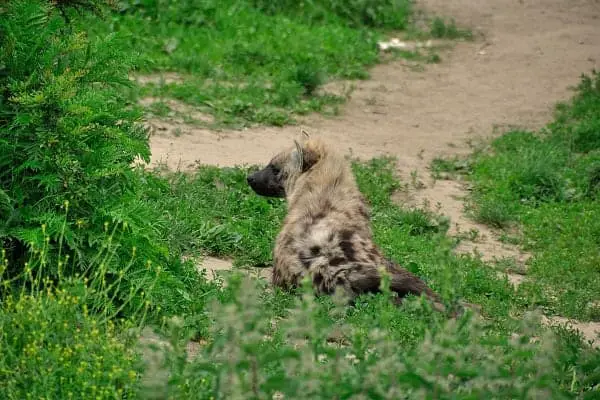
Hyenas live in Africa and parts of Asia. They often compete with lions for food. Spotted hyenas live in savannas, grasslands, woodlands, semi-deserts and mountains.
Spotted hyenas are skilled hunters, not just scavengers. Females are larger than males and lead the group. Research has shown that hyenas can tell from calls how many other hyenas are around.
Hyenas will lie in water or mud to cool off, especially in hot habitats.
Deer
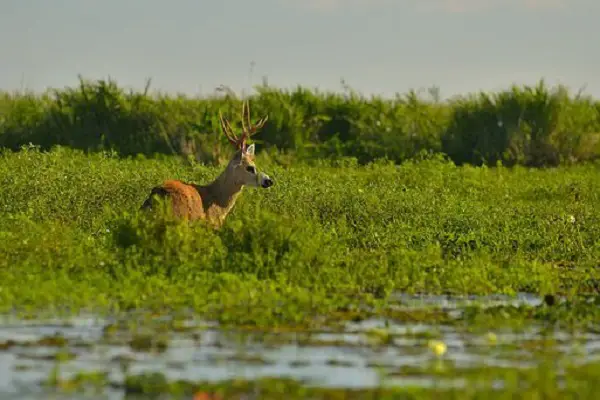
Deer live in wetlands, forests, grasslands, rainforests and mountains. Some, like white-tailed deer, live comfortably near people.
Some deer wallow in mud. Male elk, red deer and moose dig wallows during the breeding season and roll in them, often after urinating in them, which spreads their scent. Wallowing also helps deer cool off and may help with biting insects.
Why Do Animals Wallow In Mud?
Now that you know which animals wallow in mud, here are the main reasons they do it.
To Take A Bath
Mud looks dirty to us, but for some animals it works a bit like a bath.
When the dried mud flakes or is rubbed off, it can take dead skin, dirt and parasites with it.
To Keep Cool
Animals that live in hot places often use mud to cool down. Wet mud cools the skin as it evaporates, and it stays wet much longer than water does.
This is especially important for animals that can't sweat much, like pigs, rhinos and hippos.
Protection Against Sunburn
A coat of mud blocks sunlight. Elephants, rhinos and pigs use mud as a natural sunscreen.
Remove Biting Insects
Mud also helps protect animals from biting insects and parasites. A coat of dried mud is hard for flies and ticks to bite through, and rubbing it off can remove parasites.
Cure Their Wounds
Some people believe animals use mud to soothe wounds. A layer of mud may keep flies off a wound, but there is little scientific evidence that it helps wounds heal.
Animals That Live In Mud
Some animals do more than visit mud. They live in it for most of their lives.
Worms
Earthworms live in soil and mud. They need moisture, oxygen and food from decaying plants to survive.
Earthworms have no arms, legs or eyes, but they can sense light through their skin. There are thousands of earthworm species around the world.
Bivalvia
Bivalves are mollusks with two hinged shells, like clams, mussels and oysters.
Many bivalves use a muscular foot for digging. Many live on the bottom of shallow water and bury themselves in sand or mud.
Anemones
Sea anemones are cnidarians, related to jellyfish and corals. They live in the ocean.
Burrowing anemones bury their bodies in sand, mud or gravel on the sea floor, with only their tentacles showing. This helps protect them from predators.
Brittle Stars
Brittle stars, or serpent stars, are echinoderms closely related to starfish. They crawl using their long, flexible arms.
Many brittle stars bury themselves in mud on the sea floor. They can regrow arms that break off.
Cockles
Cockles live in muddy and sandy areas along the coast. They bury themselves to hide from predators.
They are easy to find at low tide, just under the surface of the sand or mud.
Crabs
Crabs are crustaceans. Like other decapods, they have ten legs, including their claws, and many walk sideways.
Related Article: Animals That Don’t Feel Pain
Many crabs dig burrows in mud, especially in the intertidal zone. Fiddler crabs and mud crabs are well-known burrowers. Burrows help crabs hide from predators and avoid drying out at low tide.
Clams
Clams have a simple nervous system and no brain. They spend their lives filtering food from the water.
Clams use their muscular foot to burrow into mud or sand, where they hide from predators.
Animals That Eat Mud
Some animals don't just wallow in mud or live in it. They eat it. Eating soil or clay is called geophagy.
Elephants
Elephants dig up and eat soil, especially at natural salt licks. The soil gives them minerals such as sodium, which can be scarce in their plant diet.
Deer
Deer also visit mineral licks and eat soil. It gives them minerals, and clay may help bind some plant toxins in their gut.
Apes
Chimpanzees, gorillas and other primates sometimes eat soil. Researchers think it may provide minerals, ease stomach upset and help protect against plant toxins. One study found that soil eaten by chimpanzees may help protect against malaria parasites.
People eat soil too in some cultures, especially pregnant women. This practice is also called geophagy, though it can carry health risks such as parasites and lead exposure.
Birds
Many birds eat clay. Parrots in South America famously gather at clay licks along rivers. The clay may supply sodium and help protect them from toxins in the seeds and fruit they eat.
Bats
Some bats visit mineral licks too. Fruit bats in particular may use them to get minerals that are scarce in fruit.
Worms
Earthworms eat soil as they burrow. They digest decaying roots and leaves, along with bacteria, fungi and other tiny organisms in the soil.
Final Words
Mud looks dirty to people, but for many animals it is useful. It cools them down, protects their skin and keeps insects away.
Many mammals use mud sometimes, and even some dogs love to roll in it. We featured these nine animals because they are well known for it.
If you want more articles like this, click "Fun Facts" on the main menu!
Sources
- Asian Elephant, Smithsonian's National Zoo and Conservation Biology Institute
- Hippo, San Diego Zoo Wildlife Alliance


