
13 Animals Said Not to Feel Pain (What Science Says)
Contents
Have you ever wondered which animals can't feel pain? Most people assume all animals feel pain the way we do, but scientists are still working out where the line falls.
Pain is more than a reflex. It's an unpleasant experience, and it seems to need a nervous system complex enough to produce it. Having or lacking a backbone isn't the deciding factor.
Animals with no brain, or no nerves at all, are the least likely to feel pain. For others, like shrimp, crabs and insects, the evidence has grown and opinions have shifted.
Below are 13 animals often said to feel no pain, with what the science currently says about each.
These Are The Animals That Can’t Feel Pain
Every animal reacts to harm. Even simple animals pull away from something damaging, and that reflex is called nociception.
The open question is whether there's a felt experience behind the reflex. Here are the animals most often named as unable to feel pain.
Insects
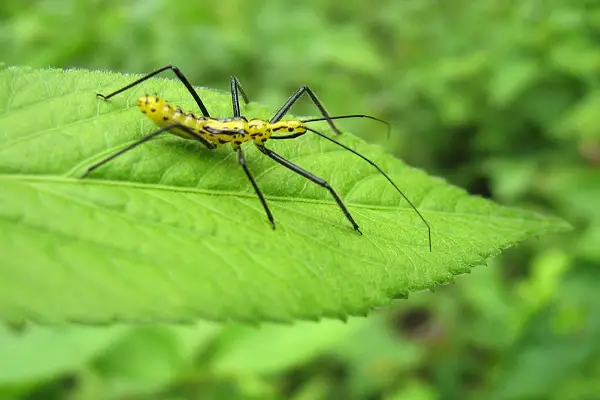
Insects are the most diverse group of animals on Earth, with about a million described species. They pollinate plants, recycle dead material and feed countless other animals.
Insects have small but complex nervous systems. For a long time, scientists assumed they couldn't feel pain.
That view is changing. Recent studies, especially on bees and fruit flies, suggest some insects may have pain-like states, not just reflexes. Scientists haven't settled the question, so insects are best described as uncertain rather than painless.
Shrimps
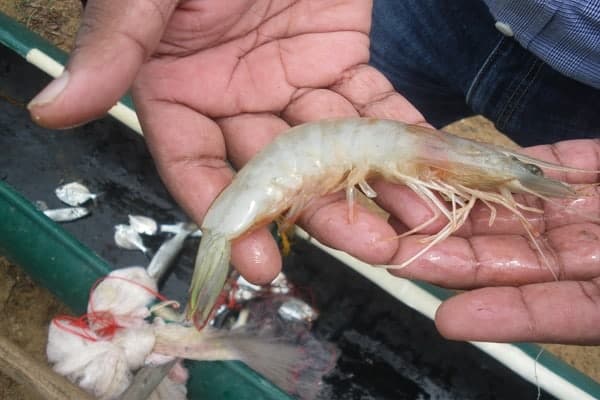
There are thousands of shrimp species. Like crabs and lobsters, they are decapod crustaceans with a hard exoskeleton.
Shrimp probably don't belong on this list. In 2021, a review by the London School of Economics found strong scientific evidence that decapod crustaceans are sentient. The UK government then recognized decapods and cephalopods as sentient beings able to feel pain.
Jellyfish
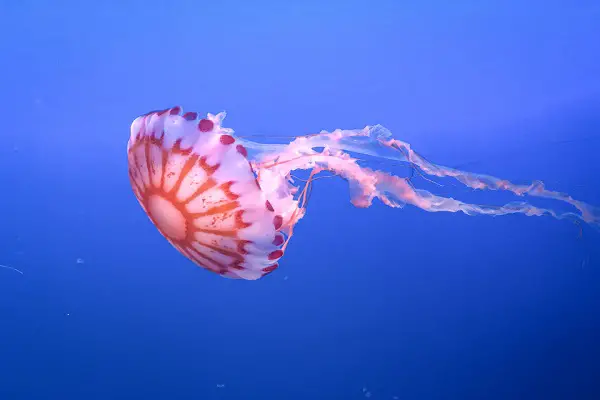
Jellyfish aren't fish. They are cnidarians with stinging cells on their tentacles that stun prey and deter predators.
Jellyfish have no brain. Their nervous system is a simple, spread-out nerve net. They react to touch and damage, but most scientists think they lack the kind of nervous system needed to feel pain.
Sea Sponges
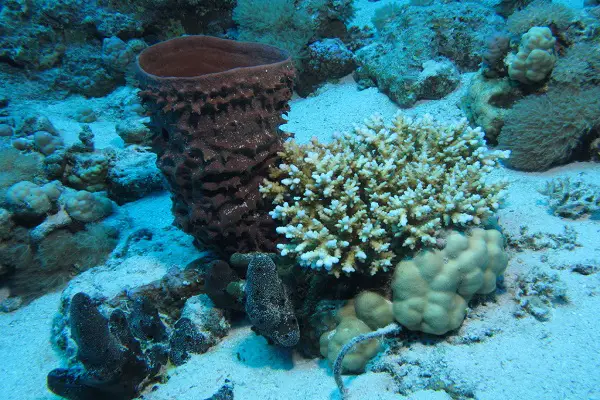
There are thousands of sponge species living in oceans and fresh water around the world.
Many simple animals lack a brain but have a nerve net. Sponges have neither.
Sponges have no nerve cells at all. With no nervous system, they almost certainly can't feel pain. They are among the simplest animals on Earth.
Clams
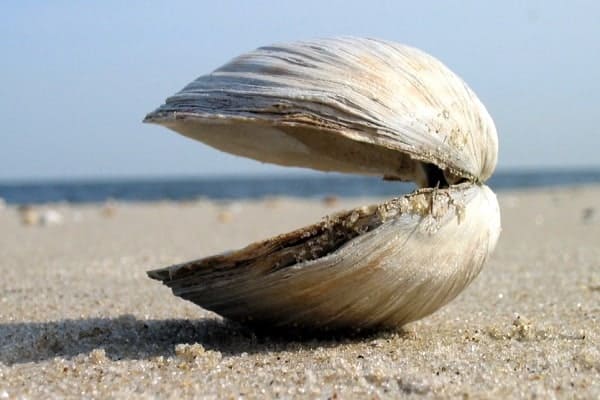
Clams are mollusks. Instead of a single brain, they have a few small clusters of nerve cells called ganglia.
Clams have a heart, kidneys, a stomach, a mouth and a simple nervous system. Some live remarkably long; an ocean quahog clam was found to be over 500 years old.
Clams react to touch and close their shells when threatened. With such a simple nervous system, many scientists think they are unlikely to feel pain, though this hasn't been proven.
Corals
Like jellyfish, corals are cnidarians and have stinging cells. They may look like plants or rocks, but corals are colonies of small animals called polyps.
Many reef corals host algae that make food through photosynthesis, and the polyps also catch tiny prey. Some coral colonies are thousands of years old.
Corals have no brain, just a simple nerve net. Their reactions to food and threats are reflexes, and they are very unlikely to feel pain.
Oysters
Oysters are bivalves like clams. Pearls form when an oyster coats an irritant in layers of nacre, but most oysters never make a valuable pearl.
Oysters have shells that protect them from predators. They spend most of their adult lives attached to one spot.
Do oysters feel pain? Oysters have a simple nervous system with ganglia but no brain. Most scientists think they are unlikely to feel pain, which is why some people who avoid eating animals still eat oysters.
Sea Urchins
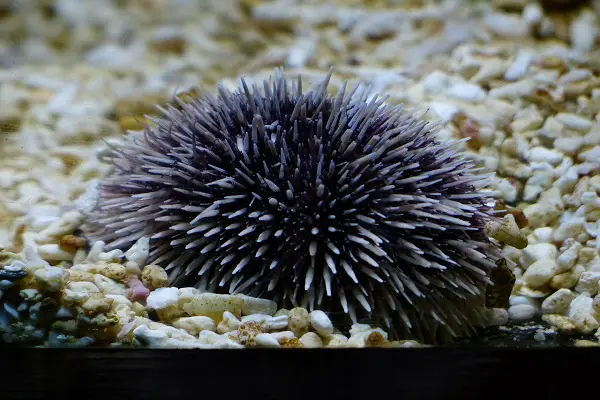
Sea urchins are covered in spines that protect them from predators. Step on one at the beach and the spines can break off in your skin.
Some sea urchins have venomous spines or pincers. If you are stung or spines break off deep in your skin, get medical care.
Sea urchins are echinoderms, relatives of sea stars and sea cucumbers. They have no brain; a ring of nerves runs around the mouth.
Can sea urchins feel pain? Probably not in the way we do. They react to touch and threats, but they lack a central brain to process pain.
Sea Squirts
Sea squirts start life as tadpole-like larvae that swim and have a simple brain. Once a larva finds a good spot, it attaches and changes shape.
During that change, it absorbs much of its larval nervous system. The adult keeps only a small cluster of nerve cells. This led to the popular story that sea squirts "eat their own brain."
Most sea squirts are hermaphrodites, meaning each one has both male and female reproductive organs.
Adult sea squirts have a very simple nervous system and no backbone. Scientists think they are unlikely to feel pain.
Sea Anemones
Sea anemones look like flowers but are animals. They are cnidarians that catch prey with stinging tentacles.
Sea anemones can change shape and react to touch. They have no brain, only a nerve net.
Do sea anemones feel pain? With no brain and only a simple nerve net, they are very unlikely to feel pain.
Sea Cucumbers
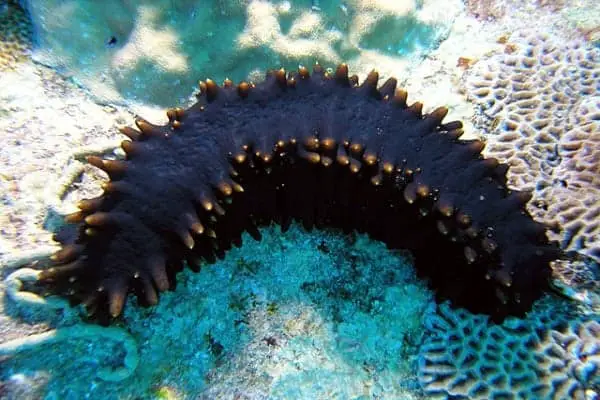
Sea cucumbers are soft, tube-shaped echinoderms that live on the sea floor around the world. Many feed on organic particles in sand and mud.
There are more than 1,000 species. Like sea urchins, sea cucumbers have a nerve ring but no brain.
Do sea cucumbers feel pain? Probably not in the way we do. They have no brain and a simple nervous system.
Sea Lilies
Sea lilies are echinoderms related to sea stars and sea urchins. They look like plants, with feathery arms on a long stalk.
Sea lilies use their feathery arms to catch food floating past, and their mouth sits at the center of their arms. Some can detach and crawl slowly to a new spot.
Do sea lilies feel pain? Sea lilies have no brain and a simple nervous system, so they are unlikely to feel pain.
Man O’ Wars
The Portuguese man o' war looks like a jellyfish but is actually a colony of many small organisms working together. It floats on the ocean surface with a gas-filled sail.
Its long tentacles deliver very painful stings to people. Deaths are rare, but anyone stung who has trouble breathing or a severe reaction needs emergency care.
Do man o' wars feel pain? They have no brain and only simple nerve nets, so scientists think they are unlikely to feel pain.
Do Animals Feel Pain When Eaten Alive?
Predators often kill prey quickly, but not always. So do animals feel pain when they are eaten alive?
Animals with complex nervous systems, such as mammals, birds and fish, almost certainly feel pain when injured, including when caught by a predator. Animals like sponges, with no nervous system at all, almost certainly don't.
Do Fish Feel Pain?
Most scientists now agree that fish can feel pain. Fish have nerve cells called nociceptors that detect harmful stimuli, and studies show injured fish change their behavior in ways that go beyond simple reflexes.
That means fish likely feel pain when they're hooked or injured. Their experience may not be identical to ours, but it's real enough that many anglers and fish farmers now consider fish welfare.
Do Crustaceans Feel Pain?
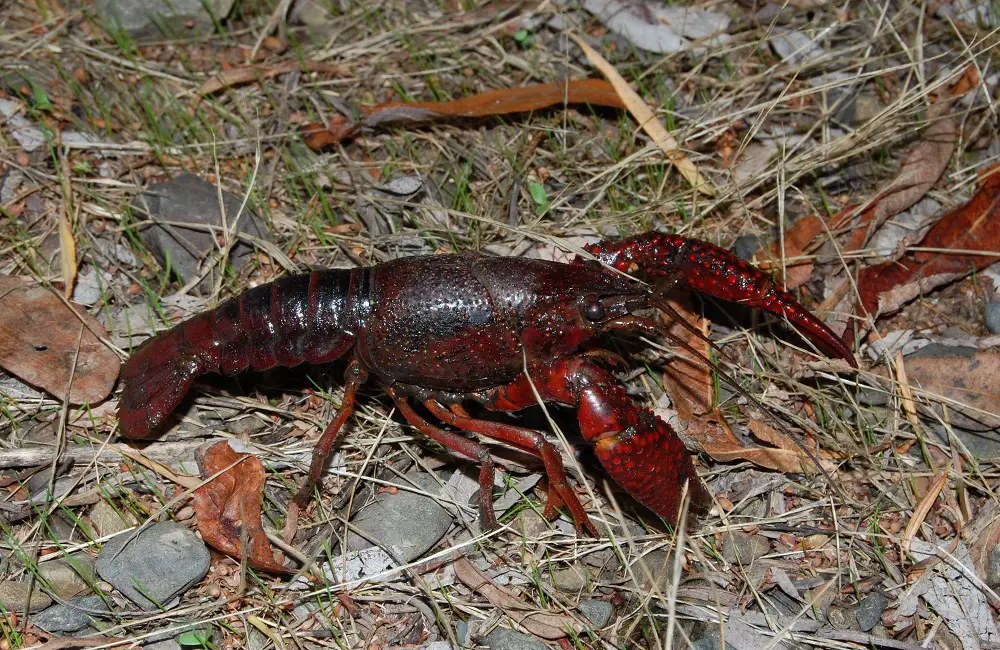
The evidence for crustaceans has grown quickly. Crabs and lobsters avoid places where they have received shocks, protect injured body parts and trade off pain against other needs.
In 2021, a review led by the London School of Economics found strong evidence that decapod crustaceans, including crabs, lobsters and shrimp, are sentient. The UK government's animal welfare minister said the science is now clear that decapods and cephalopods can feel pain.
As a result, the UK included these animals in its animal welfare law. Some countries have also restricted boiling lobsters and crabs alive.
Final Words
Many animals can feel pain, and the list of animals that might is getting longer. The animals least likely to feel pain are those with no brain or no nerves at all, like sponges, jellyfish and corals.
For crustaceans, insects and others, the science is still developing. When in doubt, treating animals humanely is the safe choice. If you want to read other amazing facts about animals, just click fun facts on the menu at the top.
Sources
- Lobsters, octopus and crabs recognised as sentient beings, UK Government (Department for Environment, Food & Rural Affairs)


