
10 Amazing Animals That Can Recognize Themselves In The Mirror (With Pictures)
Contents
- What Is A Mirror Test In Animals?
- These Are The 10 Animals That Can Recognize Themselves In Mirror
- Bonobos
- Orangutans
- Chimpanzees
- Gorillas
- Bottlenose Dolphins
- Elephants
- European Magpies
- Ants
- Pigeons
- Killer Whales
- Can Dogs Recognize Themselves In The Mirror?
- Can Cats Recognize Themselves In The Mirror?
- Final Verdict
- Sources
We humans use mirrors every day to check our hair, makeup or clothes.
But how about animals? Can they recognize themselves in a mirror the way we do?
A few can. Here are ten animals that have shown signs of recognizing themselves in a mirror, from strong evidence to disputed claims:
- Bonobos
- Orangutans
- Chimpanzees
- Gorillas
- Bottlenose Dolphins
- Elephants
- European Magpies
- Ants
- Pigeons
- Killer Whales
The evidence is strongest for great apes, dolphins, elephants and magpies. The results for ants, pigeons and killer whales are much more debated, and we explain why below.
But first, let's look at how scientists test this.
What Is A Mirror Test In Animals?
The mirror test, or mark test, was developed by psychologist Gordon Gallup Jr. in 1970. It checks whether an animal can recognize its own reflection.
Researchers place a mark on part of the animal's body that it can only see in a mirror. In Gallup's original chimpanzee tests, the animals were under anesthesia when they were marked. Then the animal gets a mirror.
If the animal uses the mirror to inspect or touch the mark on its own body, it passes. That suggests it understands the reflection is itself, not another animal.
Few species pass. Great apes, bottlenose dolphins, Asian elephants and Eurasian magpies are the best-known examples. Many species fail, including most monkeys, giant pandas and sea lions.
Failing doesn't prove an animal lacks self-awareness. Animals that rely on smell more than sight, like dogs, may simply not care about a mirror.
These Are The 10 Animals That Can Recognize Themselves In Mirror
Below are the ten animals and what the research shows for each one.
Bonobos
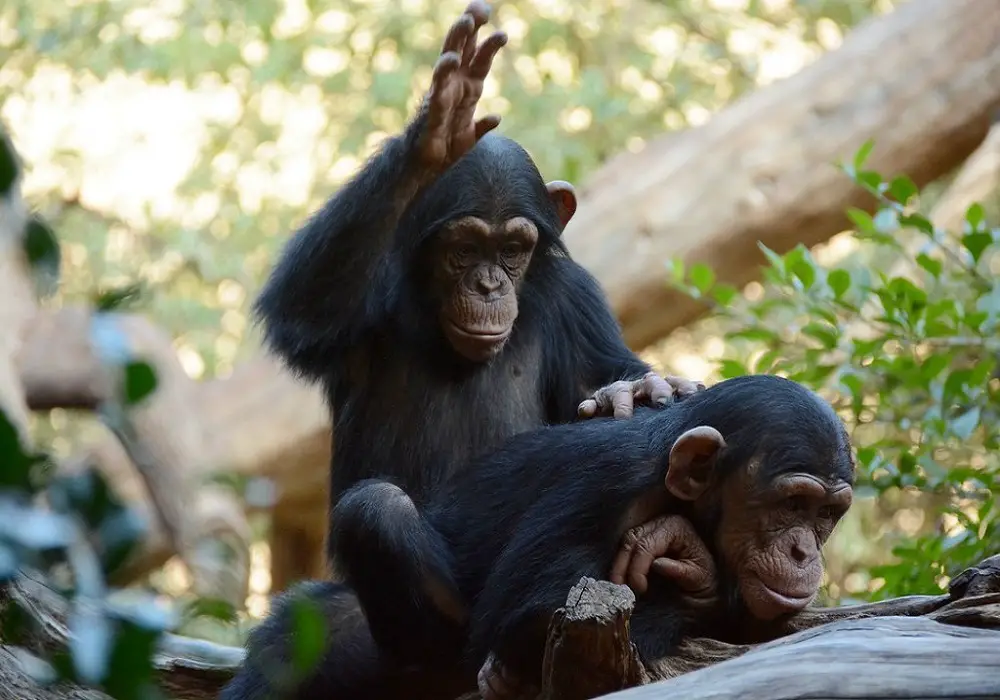
Bonobos have passed the mirror test. They are great apes and, together with chimpanzees, our closest living relatives.
Bonobos share about 98.7% of our DNA. They are social and peaceful compared with many other apes, and they form strong bonds with other bonobos.
Bonobos use facial expressions and many different calls to communicate. They also use sex and physical contact, including kissing and genital rubbing, to ease tension in their groups.
Bonobos live in the wild only in the Democratic Republic of the Congo.
Orangutans
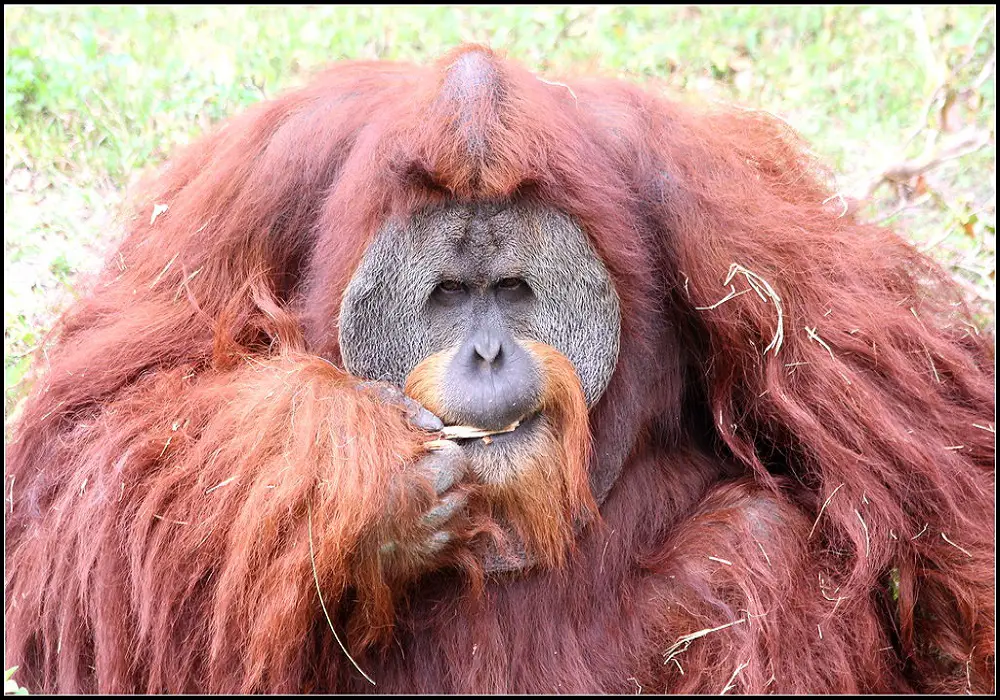
Orangutans pass the mirror test too. Interest in how apes react to mirrors goes back a long way.
In 1838, Charles Darwin watched an orangutan named Jenny at the London Zoo react to a mirror. His notes helped spark the idea that apes might have more of an inner life than people assumed.
There are three species of orangutans: Sumatran, Bornean and Tapanuli. They live only on the islands of Borneo and Sumatra.
Young orangutans stay with their mothers for about seven or eight years. During that time they learn which foods to eat and how to build nests.
Orangutans use tools. They use sticks to get insects and honey, and they have been seen using leaves as gloves to handle spiny fruit. Young orangutans learn these skills by watching others.
Chimpanzees
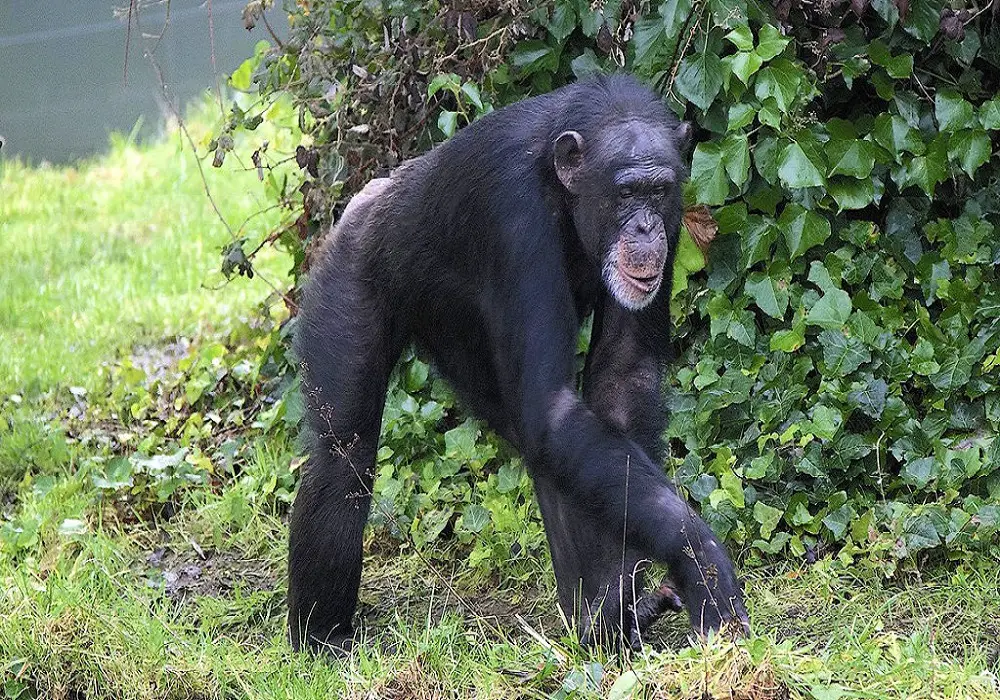
Chimpanzees were the first animals to pass the mirror test, in Gallup's 1970 study.
At first, chimps treat the reflection like another chimpanzee and may threaten it. After a few days, they start using the mirror to look at parts of their own bodies they can't normally see, like the inside of their mouths.
In the mark test, the chimps were marked with red dye while under anesthesia. When they woke up and saw the mirror, they touched the marks on their own faces.
Humans and chimpanzees share about 98.8% of their DNA. Chimps make and use more kinds of tools than any other animal except humans.
Chimps communicate with facial expressions and calls, like pant-hoots and screams.
Gorillas
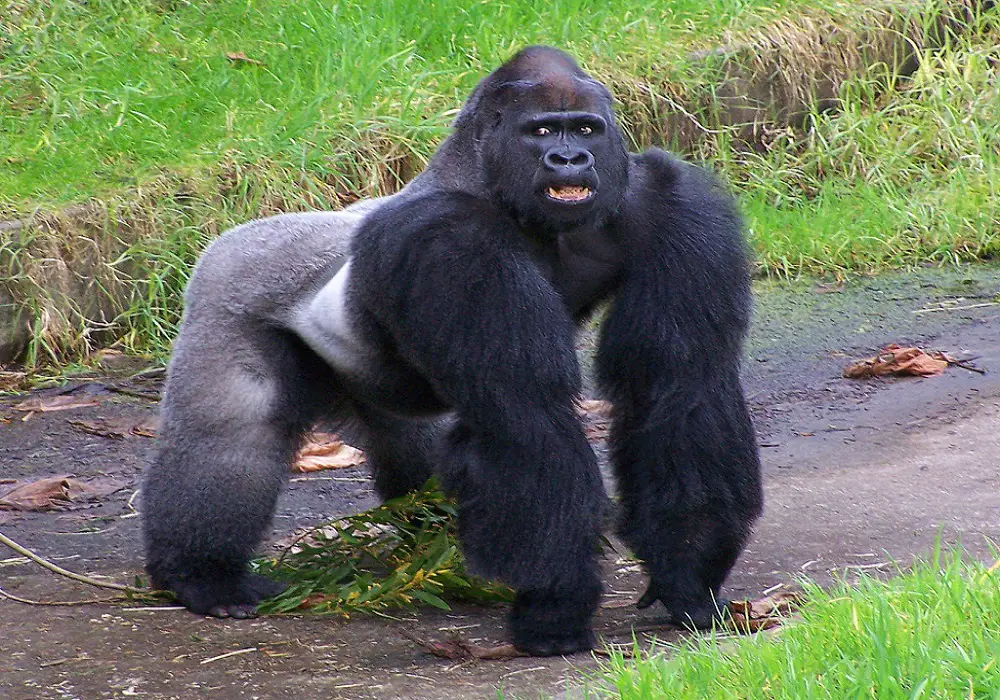
Gorillas have mixed results. Many gorillas failed early mirror tests, while some, like Koko, passed.
One explanation is that gorillas avoid direct eye contact, which can be a threat signal among gorillas. That may make them less likely to study their reflection closely.
Koko, a gorilla raised by researchers, learned to use about 1,000 signs and understood about 2,000 spoken English words.
Like other apes, gorillas show emotions, form strong bonds and can use simple tools.
Bottlenose Dolphins
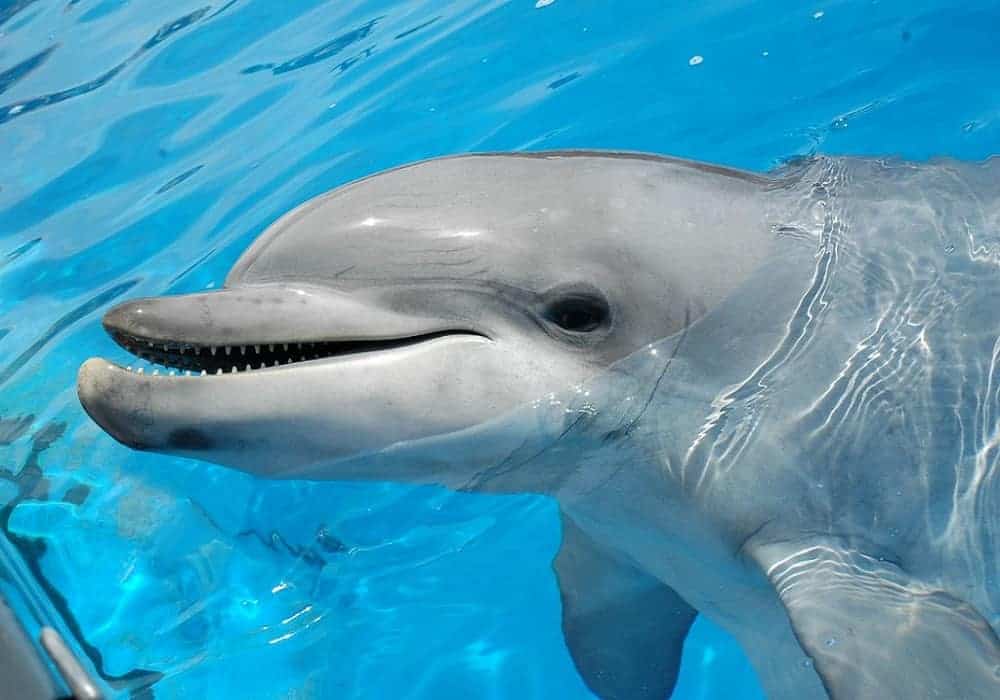
Bottlenose dolphins passed a version of the mark test in 2001. Marked dolphins swam to the mirror and twisted their bodies to look at the marked spot.
Young dolphins start showing self-directed behavior in front of a mirror at around 7 months of age. Human children usually pass the mirror test at around 18 months.
Dolphins are fast learners and very social. They live in all the world's oceans and some rivers.
Elephants
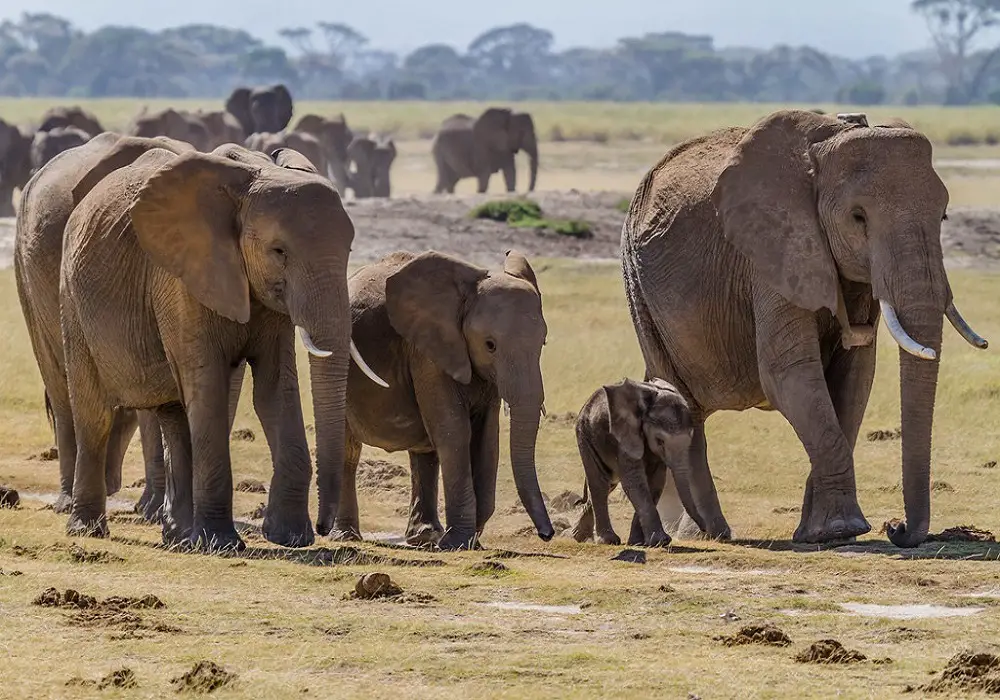
In 2006, researchers placed a large mirror in the enclosure of three Asian elephants at the Bronx Zoo.
The elephants didn't treat their reflections like other elephants. Instead, they moved their trunks and heads while watching, and they used the mirror to look inside their mouths.
Then the researchers painted a mark on each elephant's head. One elephant, Happy, repeatedly touched the mark while looking in the mirror. The other two did not, so the result shows that some elephants can pass, not that all do.
Related article: Why do elephants obey humans?
European Magpies
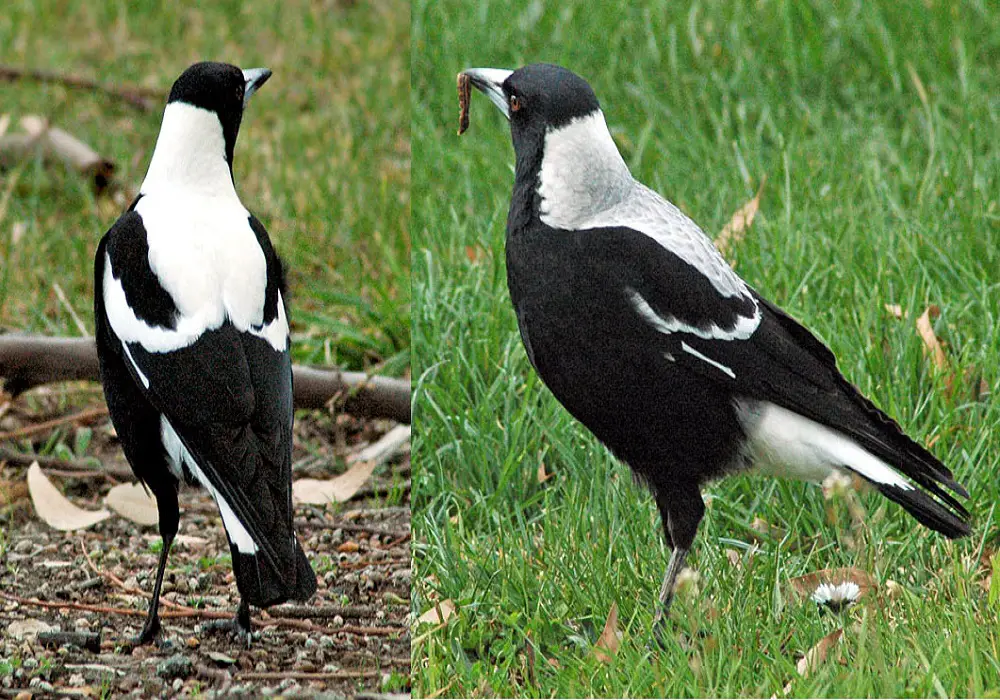
Magpies belong to the crow family, one of the most intelligent groups of birds. They solve problems, cache food and live in complex social groups.
In a 2008 study, researchers put small red or yellow marks on magpies' throat feathers, where the birds could only see them in a mirror. Several magpies tried to scratch the marks off while looking in the mirror. They were the first non-mammals reported to pass the test.
Related article: Can magpies be pets?
Ants
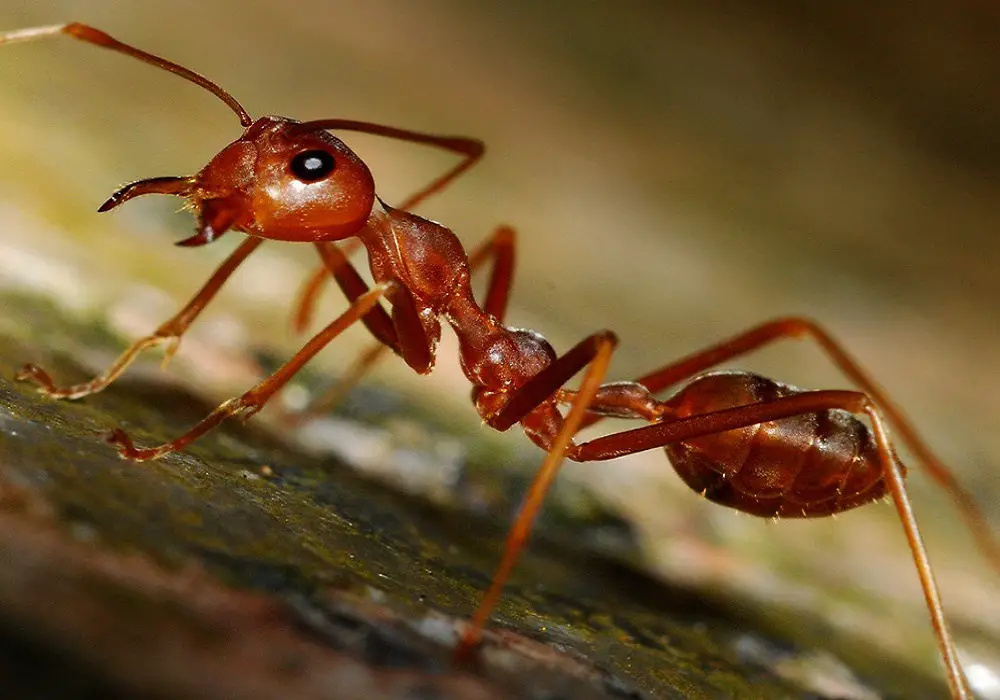
There are more than 12,000 known species of ants. One ant isn't very capable on its own, but a colony can solve complex problems. Ants have proven that they are better living in groups than alone.
One study reported that ants with a blue dot painted on them tried to clean it off after seeing themselves in a mirror.
Other scientists question that result. It hasn't been widely repeated, so ants are not generally accepted as passing the mirror test.
Pigeons
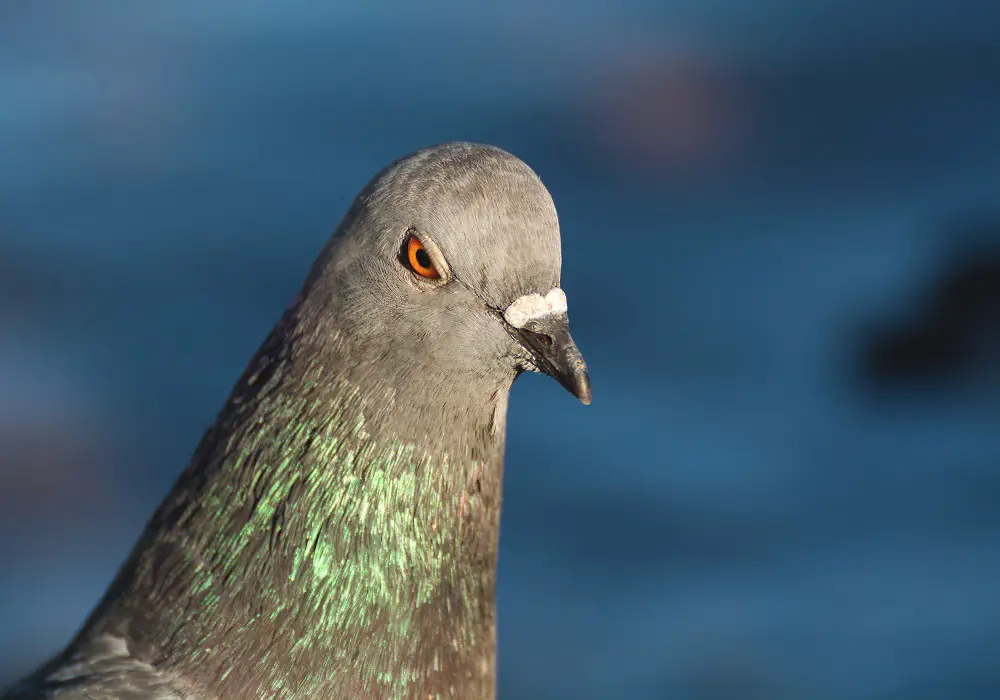
Pigeons are smarter than they get credit for. In lab studies, pigeons have learned to tell real English words from nonsense letter strings, and one study found they could learn abstract rules about numbers.
In a 1981 experiment, pigeons pecked at a mark they could only see in a mirror. But they had been trained step by step with rewards to do it.
Most researchers say this shows a trained response, not true self-recognition. Untrained pigeons treat their reflection like another bird.
Killer Whales
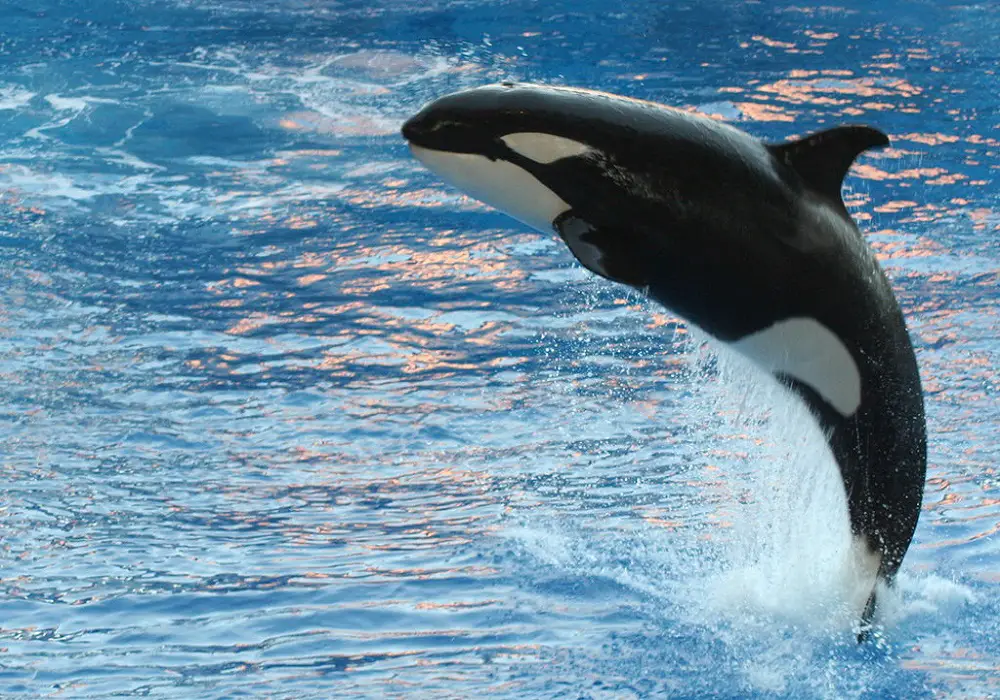
Killer whales, or orcas, are the largest members of the dolphin family. They have very large brains and live in tight family groups.
Researchers have tested orcas with marks and mirrors using methods like those used with dolphins. The orcas spent more time at the mirror when they were marked, which suggests self-recognition, but the evidence is weaker than for bottlenose dolphins.
Can Dogs Recognize Themselves In The Mirror?
Dogs don't pass the visual mirror test. Many puppies bark at their reflection as if it were another dog, and most adult dogs lose interest.
Dogs rely heavily on smell. Some researchers have tested dogs with a "sniff test" using urine samples, and dogs paid more attention to changed samples of their own scent. That suggests they may recognize themselves by smell instead of sight.
Can Cats Recognize Themselves In The Mirror?
Cats don't pass the mirror test either. A cat may hiss at or swat its reflection at first.
Most cats soon ignore the mirror, probably because the "other cat" has no scent and never acts like a real cat.
Final Verdict
Only a few animals have passed the mirror test, and it measures just one kind of self-awareness. Each species has its own skills, so the test is not a ranking of which animals are smartest.
Sources
- Self-recognition in an Asian elephant, Proceedings of the National Academy of Sciences (via PubMed Central)


