
7 Animals That Depend On Humans And Other Related Facts!

Contents
- These Are The Animals That Depend On Humans
- Chickens
- Cattles
- Dogs
- Sheeps
- Cats
- Pandas
- Horses
- Why Are These Animals Depend On Humans?
- Animals That Humans Need To Survive
- Bees
- Ants
- Bats
- Frogs
- Fish
- Worms
- Birds
- Primates
- Butterflies
- Planktons
- Beavers
- Other Animals That Are Helpful To Humans
- Cows
- Horses
- Dogs
- Camels
- Goats
- Chickens
- Donkeys
- Finals Words
- Sources
Animals can be great companions, and many are useful to people. Some depend on us so much that they struggle without human care.
Most of these are domesticated animals that we've bred for thousands of years. Others are wild species that now rely on us for protection.
What are the animals that depend on humans? Animals that depend on humans are:
- Chickens
- Cattle
- Dogs
- Sheep
- Cats
- Pandas
- Horses
Let's look at why each one depends on us, then at the animals people depend on.
These Are The Animals That Depend On Humans
Domestic animals have been shaped by selective breeding to live alongside people. Many still have survival instincts, but breeding has left some unable to thrive on their own.
Below are animals that depend on humans, and why.
Chickens
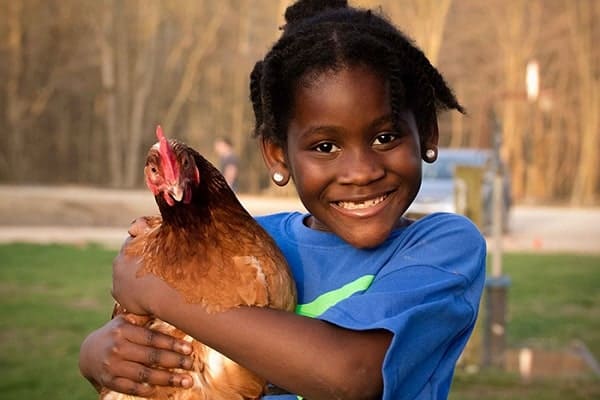
Chickens are social birds with a complex system of calls. They make good pets for many families, and backyard flocks are popular.
There are many chicken breeds. Large breeds include the Jersey Giant, Brahma, Cochin and Orpington.
Chickens still have survival instincts, and feral flocks live wild in some places. But they're easy prey for foxes, hawks, raccoons and dogs, so domestic chickens need a secure coop and protection to live long lives.
Modern meat breeds grow very fast and are bred for farms, not the wild. They depend completely on human care.
Cattles
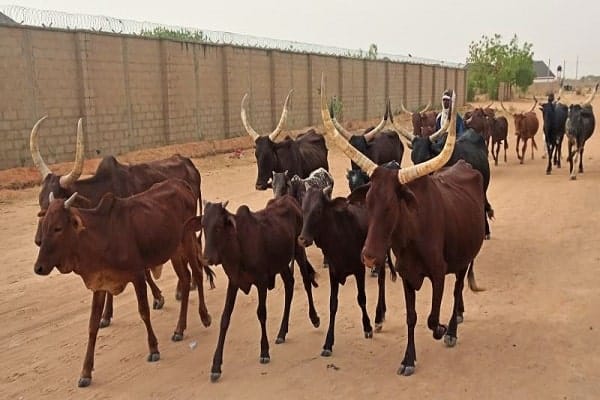
Female cattle are called cows, and males are called bulls. Bulls are generally more aggressive than cows, which is largely down to hormones.
Dairy cows are a clear example of an animal that depends on people. They produce milk after giving birth, and modern dairy breeds make far more milk than a calf can drink.
If a high-producing dairy cow isn't milked or properly "dried off," her udder becomes painfully full and she's at risk of mastitis, an udder infection. That's why dairy cows need regular milking and careful care.
Cattle also provide meat, leather and other products, so the relationship benefits both sides.
Dogs

Dogs are among the most popular pets in the world. Breeds range from tiny lapdogs to giant guardians.
Free-roaming and feral dogs do survive in many places, but life is hard. They face hunger, disease, injury and traffic, and many die young.
That's why shelters and rescue groups work to take stray dogs in. Dogs in a caring home generally live longer, healthier lives.
Small and toy breeds are especially poorly suited to life on the streets. Their size makes them vulnerable to predators, cold and injury.
Sheeps
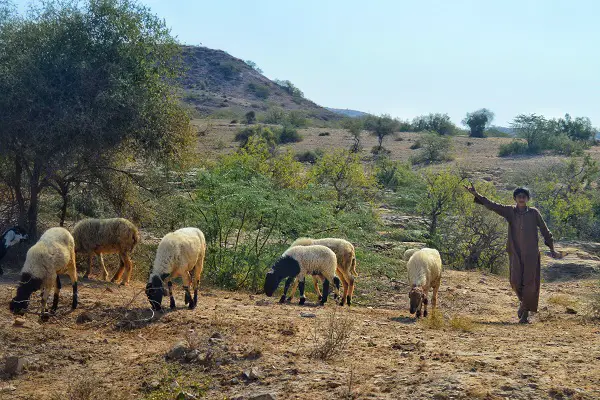
Sheep have wide-set eyes that give them a very wide field of view, which helps them spot predators. They also have rectangular pupils and a good sense of smell.
Many domestic sheep breeds have wool that keeps growing and doesn't shed naturally. Without yearly shearing, the fleece can become heavy, dirty and dangerous, causing overheating and fly strike.
Sheep are also easy prey for predators like wolves, coyotes and dogs, even in a flock. Shepherds and guard animals help protect them.
Related Article: How do sheep defend themselves?
Cats

Cats are small members of the cat family, Felidae. They are more independent than dogs and often enjoy time alone.
Feral cats can survive outdoors, but they face disease, injury, traffic and predators. Pet cats kept indoors usually live much longer.
Many cats bond strongly with their people, even if they show it in quieter ways than dogs.
Pandas
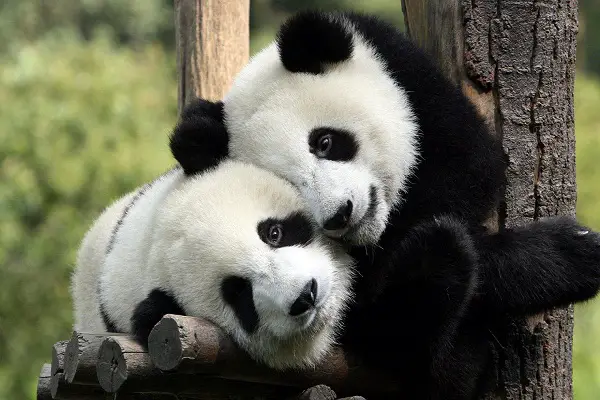
Giant pandas live in the mountain forests of central China. Wild pandas don't need human caregivers; adults live mostly alone and feed on bamboo.
What pandas depend on us for is protection. The Smithsonian's National Zoo lists the giant panda as vulnerable, with as few as 1,864 living in the wild, and says the main threat is habitat destruction.
Protected reserves, habitat corridors and breeding programs in China and zoos around the world help the species survive.
Horses
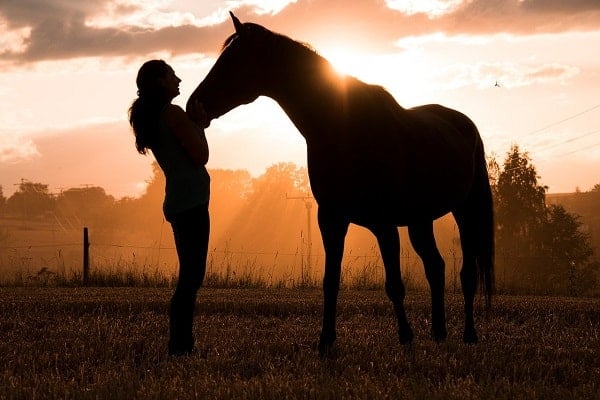
Horses have worked alongside people for thousands of years. For much of history, they were the fastest way to travel over land.
Feral horses, such as American mustangs, survive without people. Domestic horses, though, usually depend on us for feed, shelter, hoof care, dental care and vet treatment.
Horses can recognize their people and form strong bonds with them.
Why Are These Animals Depend On Humans?
Domestic animals depend on us because we bred them to live with us. Some wild species depend on us because human activity threatens them.
Endangered wild animals often survive only because of conservation work. The kakapo, a flightless parrot from New Zealand, depends on intensive human protection.
Why do animals need humans? Domestic animals need us for food, shelter, health care and protection. Endangered wild animals need us to protect their habitat and stop the threats that are pushing them toward extinction.
People also cause most of the problems wild animals face, through habitat loss, pollution, overhunting and climate change.
Most wild animals don't need or want human company. The best thing we can do for them is protect the places they live.
Animals That Humans Need To Survive
Just as some animals depend on us, we depend on many animals. Here are some of the most important.
Bees
Bees are best known for stinging, but they are vital pollinators. As they collect nectar and pollen, they carry pollen from flower to flower.
Pollination is how many plants produce fruit and seeds. Many of the fruits, vegetables and nuts we eat depend on bees and other pollinators.
Ants
There are well over 12,000 known ant species, found almost everywhere on land.
Ants help break down dead plants and animals. Their tunnels also loosen and aerate soil, letting water and air reach plant roots, and some ants spread seeds.
Bats
Bats look scary to some people, but most are harmless to humans. Don't handle bats, though, since a small number carry rabies.
The U.S. Geological Survey calls bats the most significant predators of night-flying insects. A single little brown bat can eat about 4 to 8 grams of insects each night.
Other bats eat fruit or nectar and help pollinate plants such as the agave used to make tequila.
Frogs
Frogs are useful bio-indicators. Their thin, permeable skin absorbs substances from the water and air, so frog declines can be an early warning of pollution.
Frogs also matter in food webs. Adults eat insects, tadpoles graze on algae, and both are food for many other animals.
Fish
Fish are an important source of protein and healthy fats for billions of people. They are also food for birds, mammals and other fish.
Fish help keep aquatic ecosystems in balance, from controlling insect populations to cycling nutrients.
Worms
Earthworms are found in soils around the world. They break down dead leaves and other organic matter.
As they burrow and digest, they mix and enrich the soil, which helps plants grow. That's why gardeners welcome worms and many people use them for composting.
Birds
There are around 10,000 bird species around the world. They play many roles in ecosystems.
Birds control insect populations, spread seeds and, in the case of hummingbirds and others, pollinate flowers. Vultures and other scavengers clean up carcasses.
Primates
There are more than 500 species of primates in the world.
Many monkeys and apes eat fruit and spread the seeds through their droppings. That helps tropical forests regrow, and those forests store carbon and support huge numbers of other species.
Butterflies
Butterflies are drawn to brightly colored flowers and feed on nectar. As they move between flowers, they pick up pollen and carry it to other plants.
That makes butterflies pollinators. They help many wildflowers and some crops produce seeds.
Planktons
Plankton are tiny organisms that drift in the water. Plant-like plankton, called phytoplankton, make their food through photosynthesis.
Plankton are the base of the ocean food chain, feeding everything from small fish to huge whales.
According to NOAA, about half of Earth's oxygen comes from the ocean, and most of that comes from phytoplankton.
Beavers
Beavers are among the largest rodents in the world. They have thick fur and strong teeth for cutting down trees.
By building dams, beavers create and maintain wetlands. These wetlands provide habitat for many plants and animals, store water and can improve water quality.
Other Animals That Are Helpful To Humans
Here are more animals that are especially helpful to people.
Cows
Cows are female cattle, and they are the source of most of the milk people drink and turn into cheese, butter and yogurt.
Some people keep cows as pets. They can be gentle and form bonds with people, but they need lots of space and care. Read my tips before getting a pet cow first.
Horses
Horses carried people and goods long before cars existed. They are still used for work, transport and sport around the world.
Horses also pull carts and plows, and help on farms and ranches in many countries.
Dogs
Dogs help people in countless ways: herding, guarding, search and rescue, detection work and guiding people with disabilities.
They are also loyal companions. Many people find that dogs ease loneliness and encourage them to stay active.
Camels
Camels have carried people and goods across deserts for thousands of years. They can go long periods without drinking and handle both hot days and cold desert nights.
Goats
Goats are kept for milk, meat and fiber, and they're popular as pets. They are related to sheep. Female goats are called does or nannies, and young goats are called kids.
Chickens
People keep chickens mainly for eggs and meat, and many backyard flocks are kept as pets too.
Donkeys
Donkeys are a separate species from horses, though they're related. They have carried loads and pulled carts for thousands of years.
Donkeys are smaller than most horses, but they are strong for their size and very sure-footed on rough ground.
Finals Words
People and animals depend on each other. Domestic animals need our care, and we depend on many wild animals for pollination, healthy soils and clean water.
Protecting animal habitats protects us too.
Sources
- Giant Panda, Smithsonian's National Zoo and Conservation Biology Institute
- What do bats eat?, U.S. Geological Survey
- How much oxygen comes from the ocean?, NOAA


