12 Animals (Besides Dogs) That Can Wag Their Tails (With Pictures)
Contents
- These Are The Other Animals Wag Their Tails
- Cats
- Foxes
- Wolves
- Elephants
- Monkeys
- Fish
- Peacocks
- Cows
- Giraffes
- Horses And Donkeys
- Birds
- Scorpions
- Why Do Animals Wag Their Tails?
- Do All Animals Wag Their Tails When Happy?
- Why Do Dogs Wag Their Tails?
- Why Do Other Dogs Never Wag Their Tails?
- What Animal Wag Their Tails To Attack Enemies?
- Final Words
- Sources
When you hear the word "tail," you probably picture a wagging dog. But plenty of other animals move their tails back and forth.
They do it for different reasons: to signal mood, to swat flies, to balance, or to swim.
What other animals wag their tails?
So the other well-known animals aside from dogs that wag their tails are:
- Cats
- Foxes
- Wolves
- Elephants
- Monkeys
- Fish
- Peacocks
- Cows
- Giraffes
- Birds
- Scorpions
- Horses
Let's look at each animal and why it moves its tail.
Related Article: Animals with no tails
These Are The Other Animals Wag Their Tails
Below are well-known animals that wag or swish their tails, and what it means.
Cats
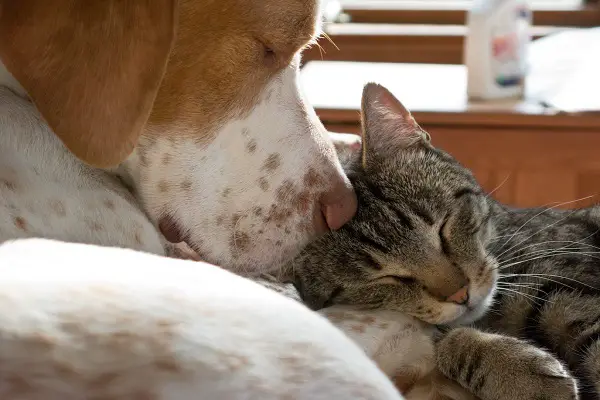
Cats use their tails to communicate, but a wagging cat is usually not a happy one.
A cat that quickly swishes or thumps its tail is usually annoyed, overstimulated or nervous and wants you to back off. A slow swish often means the cat is focused, for example while watching prey. A tail held straight up usually signals a relaxed, friendly cat.
Watch the speed of the tail along with the ears, eyes and body posture to read your cat's mood.
Foxes
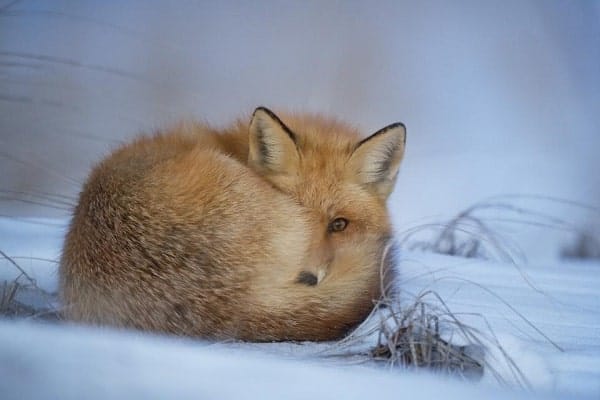
Foxes belong to the dog family, Canidae. They are wild animals, and in most places they are not suitable pets.
Foxes wag their tails much like dogs do, especially when greeting each other or showing submission. They also wrap their bushy tails around themselves for warmth when they sleep in the cold.
In a famous long-term Russian experiment, foxes bred for tameness over many generations began wagging their tails at people, much like dogs.
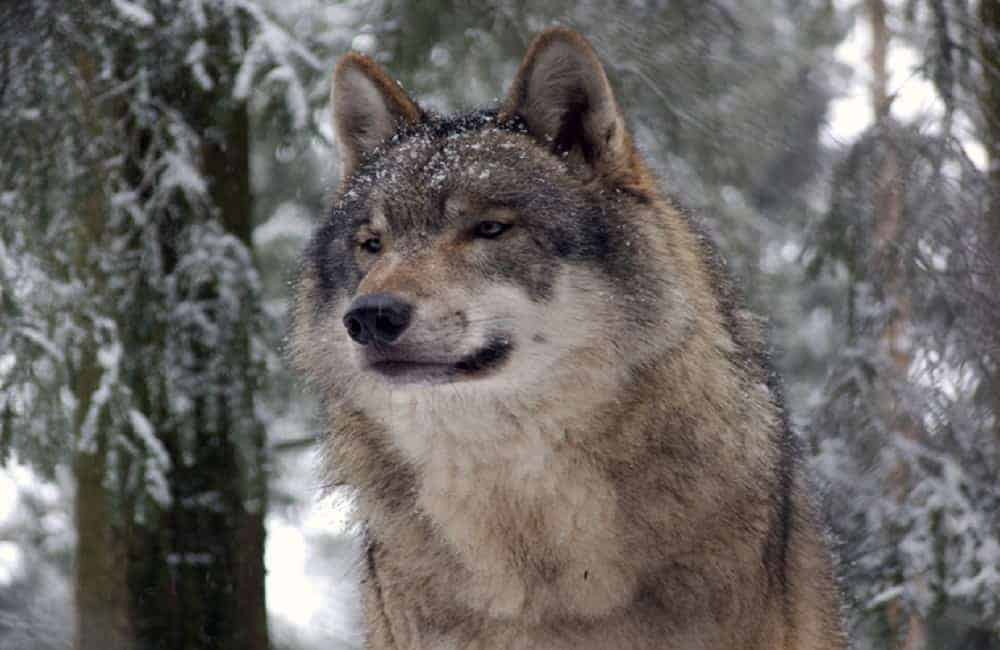
Wolves
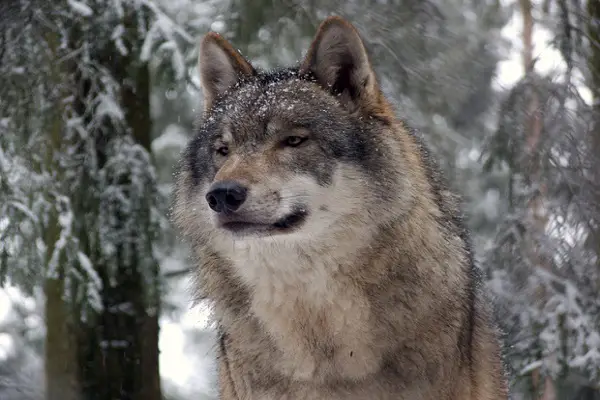
Wolves are the largest wild members of the dog family. They live and hunt in packs, which are usually a breeding pair and their offspring of different ages.
Wolves use tail position and wagging to communicate with each other. A low, wagging tail often signals submission or friendly excitement, while a high, stiff tail can signal confidence or a threat.
Elephants
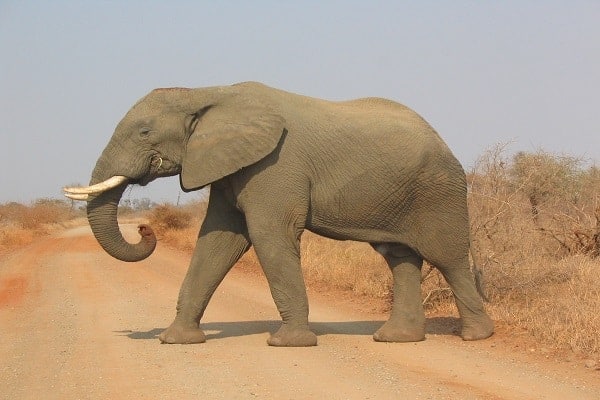
Elephants are the largest living land animals. They live in close family groups led by older females.
Elephants swing their tails mainly to swat flies and other biting insects. Tail position can also hint at mood; a raised tail often goes with excitement or alarm.
Young calves sometimes hold on to their mother's tail with their trunk while the herd is moving.
Monkeys
Not all primates have tails; apes and humans don't. Most monkeys do, and they use them in different ways.
Many monkeys use their tails for balance while running along branches. Some South and Central American monkeys, such as spider monkeys, have prehensile tails that can grip branches like an extra hand.
Fish
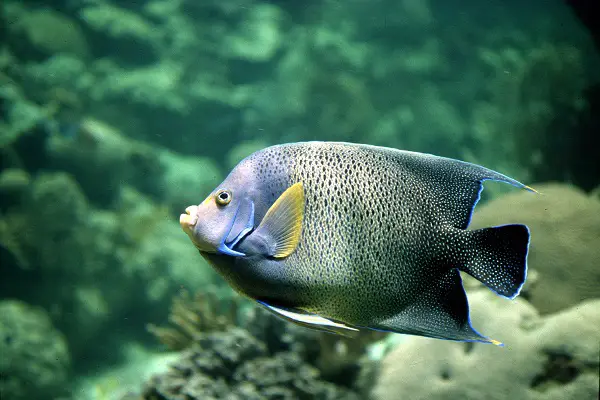
Almost all fish have tails, and many species swim in schools for safety.
Fish move their tail fin from side to side to push themselves forward. They use their other fins mostly to steer, brake and stay balanced.
Peacocks
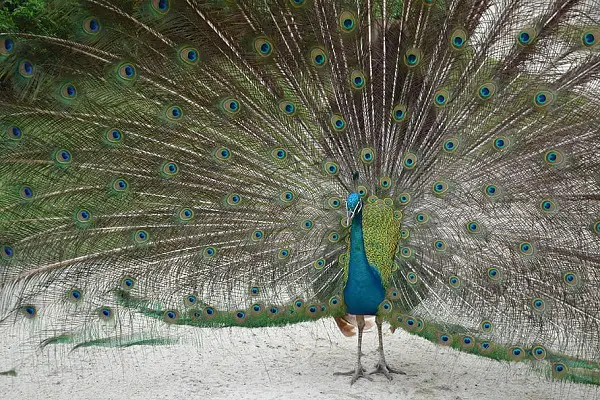
Peacocks are male peafowl. Despite their size, they can fly short distances and usually fly up into trees to roost at night.
A peacock's showy "tail" is actually a train of long feathers growing from its back. During courtship, males fan the train and shake it so it shimmers and rattles to attract females.
Cows
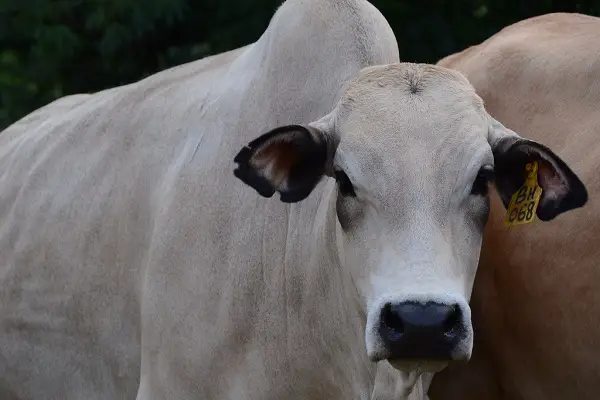
Cattle are social herd animals that form bonds with other members of their group.
Cows swish their tails mostly to drive off flies. Tail movement can also signal irritation or discomfort, and a cow that's agitated may swish hard before kicking.
Giraffes
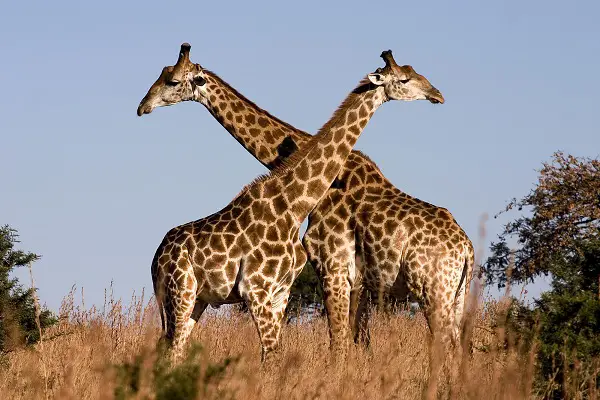
Giraffes live in loose groups whose members come and go. Mothers stay close to their young calves.
Giraffes have long tails with a tuft of hair at the end. They swing them to keep flies and other insects away.
Horses And Donkeys
Horses and donkeys are social animals that live in groups and can form strong bonds with people.
Horses and donkeys swish their tails to swat biting insects. A tail that swishes sharply or wrings can also signal irritation, discomfort or pain, so it's worth watching.
Birds
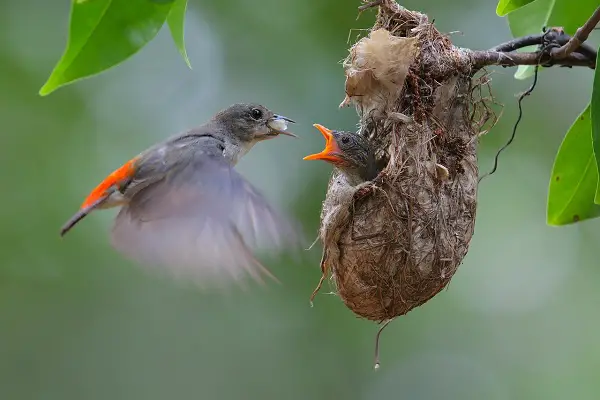
Many birds bob, flick or pump their tails. Wagtails and phoebes are named or known for it.
Birds flick their tails for balance, as a signal to other birds, and sometimes to startle insects into moving. In pet birds, a quick tail wag often happens while they settle their feathers.
Scorpions
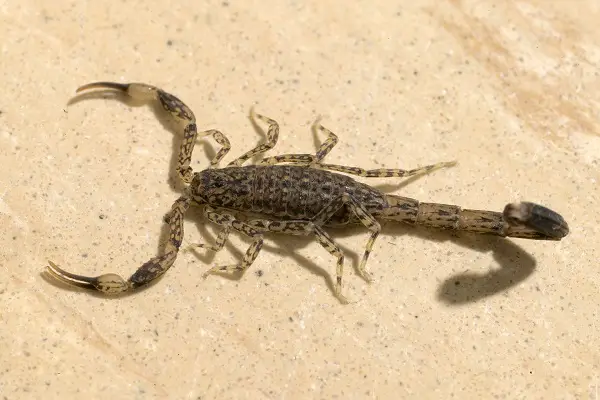
Scorpions are arachnids with eight legs. Every scorpion has a tail, called the metasoma, that ends in a stinger.
Scorpions use their stinger for defense, to subdue prey and during mating, according to a study in the Journal of Anatomy. Defensive strikes are fast, while prey stinging is slower and more controlled.
Insects don't have tails like scorpions. Mosquitoes, for example, feed through a long mouthpart called a proboscis, not a tail.
Why Do Animals Wag Their Tails?
Animals use tail movements for many jobs, and the reasons vary by species.
Many mammals wag or swish their tails to communicate with each other. Large grazing animals like cows and horses swish their tails to drive off insects. Cats, monkeys and many other climbers use their tails for balance, and fish use them to swim.
Do All Animals Wag Their Tails When Happy?
No. Not all animals wag their tails when they're happy. Animals such as goats wag their tails for different reasons, and in cats a wagging tail often means irritation.
Even in dogs, a wagging tail isn't always friendly. A stiff, high, fast wag can come before aggression, so look at the whole dog before approaching.
Tail wagging is like sign language. The speed, height and direction of the wag all carry meaning, and they differ from species to species.
Why Do Dogs Wag Their Tails?
Dogs are the best-known tail waggers. They mainly wag to communicate.
Dogs wag their tails to express emotions such as excitement, happiness, nervousness and submission. They also wag when they want something from you, like attention or food, and when greeting other dogs.
Why Do Other Dogs Never Wag Their Tails?
Some dogs wag less than others. Breeds with short, curled or docked tails show less obvious wagging.
A dog that suddenly stops wagging may be in pain, scared or unwell. A limp tail can also be a sign of a tail injury, sometimes called "limber tail." If your dog's tail behavior changes suddenly, take it to the veterinarian.
What Animal Wag Their Tails To Attack Enemies?
Some animals use their tails as weapons. Here are a few well-known examples.
Scorpions use their stinging tails to defend themselves and to subdue prey. Most scorpion stings are painful but not dangerous to people, but some species can be. Seek medical care right away for a sting, especially in children, older adults or anyone with a severe reaction.
Whales have huge tail flukes that drive them through the water. Some whales slap or swing their flukes at attacking killer whales, and a blow from a large whale's tail can be powerful.
Other animals use their tails for defense too. Some lizards drop their tails to escape predators, and the North American porcupine swings its quill-covered tail at attackers.
Final Words
Animals wag and swish their tails for many reasons, and the meaning depends on the species. A dog's happy wag and a cat's angry swish look similar but mean very different things.
Watching the whole animal, not just its tail, is the best way to understand what it's telling you.
Sources
- A biomechanical view on stinger diversity in scorpions, Journal of Anatomy (via PubMed Central)