Why Do Goats Wag Their Tails?
Contents
- 5 Reasons Why Goats Wag Their Tails
- Insects and Flies
- As A Sign of Heat (Estrus)
- When They Are Happy
- When They’re Frightened or Disturbed
- As A Way To Communicate with Other Goats
- Why Do Baby Goats Wag Their Tails
- Why Do Male Goats Wag Their Tails
- Can Goats Control the Wagging of Their Tails?
- FAQs
- Why Do Goats Wag Their Tails When Drinking Milk?
- Why Do Goats Wag Their Tails When They Eat?
- Sources
Goats aren’t as expressive as other pets, so their feelings can be hard to read. The more time you spend with goats, the better you’ll get at reading their signals.
So, why do goats wag their tails?
Goats wag their tails to brush off flies, when they’re excited or content, and, in does, as a sign of being in heat. Kids often wag their tails while nursing. Reading the tail together with the rest of the goat’s body language tells you which one it is.
Knowing why your goat wags its tail helps you read its mood and spot when a doe is ready to breed.
5 Reasons Why Goats Wag Their Tails
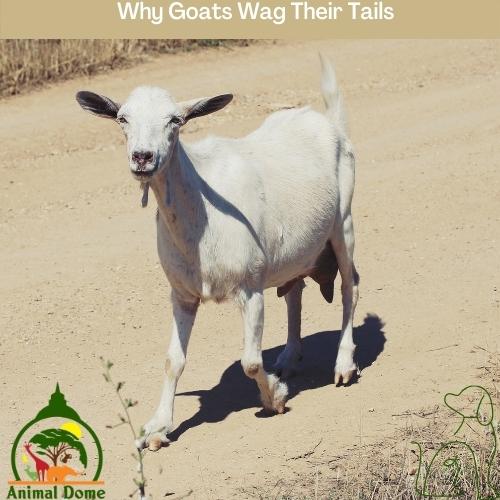
Insects and Flies
Flies bother livestock everywhere, especially in hot, humid weather.
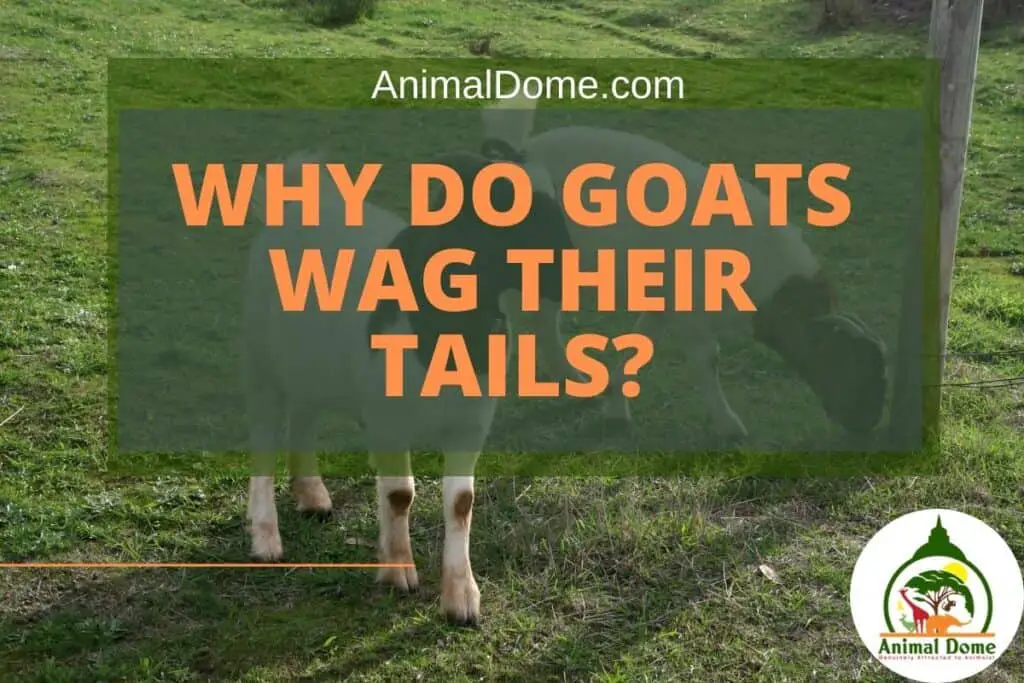
Goats flick and wag their tails to keep flies and other insects off, much like horses and cattle do.
You can cut down on flies by cleaning out manure and soiled bedding often. Ask your vet about safe fly control for goats.
As A Sign of Heat (Estrus)
A doe in heat often wags or "flags" her tail rapidly. Tail flagging is one of the classic signs of estrus that goat keepers watch for.
Other signs include frequent bleating, restlessness, a red and swollen vulva, discharge and mounting other does. These signs are usually stronger when a buck is nearby.
Standing heat lasts about 36 hours on average (usually 24 to 48 hours) and comes back about every 21 days during the breeding season, which peaks in autumn.
When They Are Happy
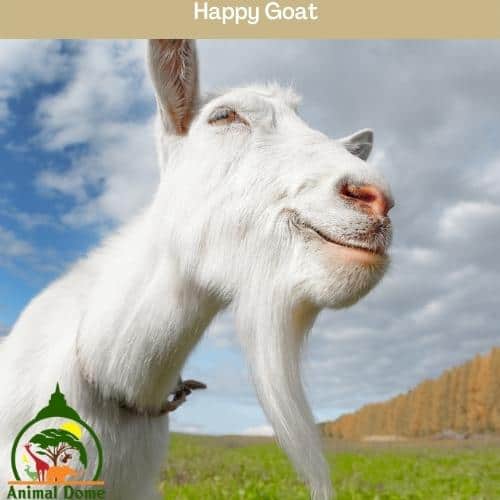
Many goat keepers notice their goats wagging their tails when they’re excited or content.
This often happens at feeding time, when they get a treat or when they see a person or goat they know.
A wagging tail isn’t always an invitation to pet. Some goats enjoy scratches, but others don’t, so watch how your goat reacts.
When They’re Frightened or Disturbed
Tail movement can also come with stress. A goat that is tense, alert or uneasy may flick its tail.
That’s why the tail alone doesn’t tell you much. Look at the whole goat.
As A Way To Communicate with Other Goats
Goats are social animals that use body language, sounds and smell to communicate.
Tail position and movement are part of that body language. A doe’s tail flagging in heat, for example, signals bucks that she is ready to breed.
Why Do Baby Goats Wag Their Tails
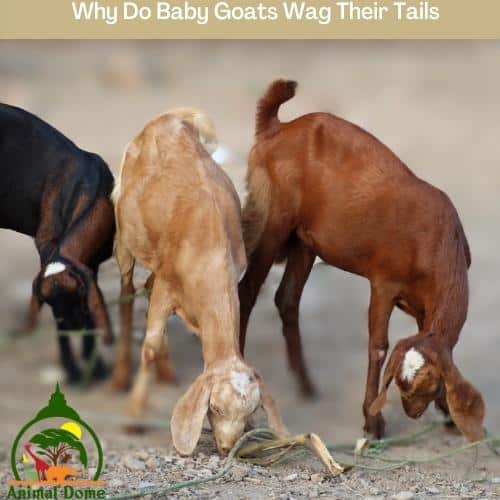
Kids are known for wagging their tails hard while they nurse. It is a sign of excitement while feeding, and lambs and calves do the same thing.
According to the Merck Veterinary Manual, does form exclusive bonds with their kids and will not nurse unrelated kids.
Kids also wag their tails when they’re excited, such as at feeding time or when they see their mother or a familiar person.
Why Do Male Goats Wag Their Tails
Bucks wag their tails for many of the same reasons as does: flies, excitement, food or being near other goats.
When the reason isn’t clear, look at your goat’s body language.
A tense goat with a wagging tail may be uneasy or worried.
A relaxed goat with a wagging tail is probably content.
Can Goats Control the Wagging of Their Tails?
Tail wagging can be both voluntary and reflexive. Flicking off a fly is mostly a reflex.
Wagging from excitement or during heat happens naturally in response to what is going on around the goat.
FAQs
Why Do Goats Wag Their Tails When Drinking Milk?
Young goats often wag their tails while feeding, either nursing or drinking from a bottle. It usually shows excitement and contentment while feeding, much like a lamb or calf does.
Why Do Goats Wag Their Tails When They Eat?
Goats often wag their tails when they are excited about something, such as a favorite treat or feed. Flies gathering around the herd at feeding time can also cause tail flicking.
Sources
- Behavior of Goats, Merck Veterinary Manual
- Puberty and Estrus in Goats, Merck Veterinary Manual