Why Does My Hamster Stare At Me? This Is Why!
Contents
- The Reasons Why Your Hamster Keep Staring At You
- Your Hamster Is Staring At You Because They Want Food
- Your Hamster Is Staring At A Potential Threat
- Your Hamster Is Staring At You Because They Want To Be Petted
- Your Hamster Is Staring At You Because They Want To Play With You
- Your Hamster Is Staring At You Because Their Water Bowl Is Empty
- Your Hamster Might Only Be Sleeping
- How Do Hamsters Sleep?
- Your Hamster Love You Already
- How Do Hamsters Show Love To Their Owners?
- Does Your Hamster Stare At You Because You Are Sick?
- Final Verdict
- Sources
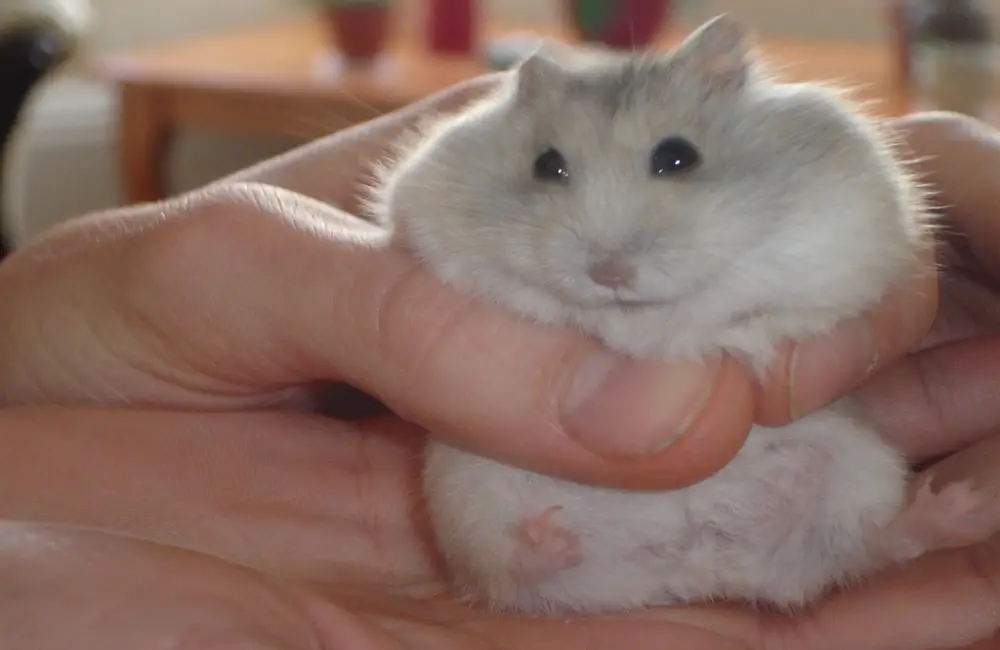
New hamster owners often notice their pet sitting still and seeming to stare right at them. Experienced owners know this is normal, but it is fair to wonder what it means.
Hamsters rely heavily on hearing and smell, so they often notice you before you notice them. A hamster may stare while it checks whether you are a threat, because it expects food, or simply out of curiosity. A hamster that is used to you may also come to the front of its cage hoping for a treat or attention.
Watching your hamster's body language helps you understand what it wants. It also helps you catch problems early, such as an empty food dish or water bottle.
The Reasons Why Your Hamster Keep Staring At You
Here are the most common reasons your hamster stares at you:
- Food: Hamsters quickly learn that you bring food. A hamster watching you closely may be hoping for a meal or a treat.
- Water: An empty or blocked water bottle can make a hamster restless. Check it every day, especially in warm weather.
- Curiosity: Hamsters are curious. Yours may simply be watching what you are doing.
- Strong senses: Hamsters can hear and smell you coming. They often stop and look in your direction to work out what is happening.
- Comfort: A hamster that is used to you may come out and watch you calmly instead of hiding.
- Watching out: Hamsters are prey animals, so they stay alert. Freezing and staring is often a hamster deciding whether something is safe.
- Threats: A new person, a dog, or a cat in the room can make your hamster freeze and stare, ready to run and hide.
When your hamster stares, look at the rest of its body language. A relaxed hamster moves around normally, while a frightened one freezes, flattens its ears, or bolts for cover.
The more you watch your hamster, the better you will understand its habits.
Your Hamster Is Staring At You Because They Want Food
Hamsters learn routines quickly. If you usually feed your hamster at a certain time, it may wait and watch for you.
Make sure your hamster always has its regular food available. The Merck Veterinary Manual notes that a commercial rodent pellet with 15 to 20 percent protein meets a hamster's needs.
Treats should be small and occasional. Tiny pieces of fresh vegetables, such as carrot or broccoli, are good choices.
Do not give extra treats just because your hamster keeps staring. Too many treats can cause weight gain and stomach upset. Avoid sugary, salty, or processed human foods.
Hamsters store food in their cheek pouches and their nest. Remove fresh food that has not been eaten within a day so it does not spoil.
If your hamster's cheeks stay swollen, or it drools, stops eating, or loses weight, see a vet. Hamsters' front teeth grow throughout life, and overgrown teeth can cause these signs.
Your Hamster Is Staring At A Potential Threat
Hamsters are prey animals, so they are cautious about their surroundings. Their hearing is good, and they react quickly to sudden sounds.
Keep other pets away from the hamster's cage. Introduce new people slowly, and let your hamster settle in before handling it.
Your Hamster Is Staring At You Because They Want To Be Petted
A hamster that is used to you may come to the front of the cage when it sees you, hoping for attention or a treat.
Do not house hamsters together. Merck advises that hamsters should not be kept in groups because adults can become aggressive, even if they grew up together. Syrian hamsters in particular must live alone.
Handle your hamster gently and on its terms. Hamsters may bite if startled, so let it sniff your hand and climb on rather than grabbing it.
Your Hamster Is Staring At You Because They Want To Play With You
Hamsters are active and need plenty of exercise. A hamster that is used to you may want to come out and explore.
Give your hamster a solid-surface exercise wheel, tunnels, and safe chew toys. Supervise any time outside the cage in a safe, enclosed area.
Hamsters' front teeth grow continuously, so chewing on safe items such as plain wooden blocks is important for their health.
Your Hamster Is Staring At You Because Their Water Bowl Is Empty
Hamsters need fresh water at all times. Many owners use a sipper bottle, but a heavy, shallow dish works too.
Check the water every day and make sure a bottle's spout is not blocked. A hamster without water can become dehydrated quickly.
Your Hamster Might Only Be Sleeping
Hamsters are mostly active at night, so a hamster you see during the day may be drowsy rather than staring. A hamster that has just woken up often sits still for a while before it starts moving around.
How Do Hamsters Sleep?
Like other mammals, hamsters go through different stages of sleep, including REM sleep. Twitching or shaking during sleep is usually normal.
Most hamsters sleep in a nest in their hideout. Give your hamster deep bedding and a hide where it can sleep undisturbed during the day.
A hamster that sleeps far more than usual, seems weak, or is cold to the touch should see a vet.
Your Hamster Love You Already
Hamsters do not show affection the way dogs do, but a relaxed hamster that comes to greet you and lets you handle it is comfortable with you.
If your hamster watches you from a relaxed position, it is a good sign that it feels safe.
How Do Hamsters Show Love To Their Owners?
Hamsters are naturally wary of people. To a small prey animal, a large human can look like a predator.
With gentle, regular handling, many hamsters become calm and easy to pick up. Merck notes that hamsters handled gently from a young age are less likely to bite unless startled.
Be patient with a new hamster. Let it settle in for a few days, then start by offering treats from your hand.
A hamster that comes to you, explores your hands, and stays calm while being held trusts you.
Does Your Hamster Stare At You Because You Are Sick?
There is no good evidence that hamsters can sense human illness. A hamster may notice changes in your routine, smell, or movements, but that is about it.
If your hamster suddenly changes its behavior, it is more likely to be about its own health or environment. Check its food, water, cage, and overall condition.
Final Verdict
Your hamster stares at you mostly because it is alert to you, expects food, or is curious. Make sure its food and water are always available, give it room to exercise, and handle it gently so it learns to trust you.
Source: researchgate.net, sciencemag.org
Sources
- Special Considerations for Hamsters, Merck Veterinary Manual