Why Are Pigs Clean Animals? (Myth About Dirty Pigs)
Contents
- Why Do Some People Consider Pigs As Filthy Animals?
- How Clean Are Pigs?
- Why Pigs Are Kept In Mud If They Are Clean Animals?
- Do Pigs Eat Their Poop?
- 8 Amazing Facts About Pigs
- Pigs Were Domesticated A Long Time Ago
- Pigs Can’t Sweat
- Pigs Are Cleaner Than You Think
- Pigs Are Smarter Than Dogs
- Mother Pigs Can Sing
- Pigs Love Belly Rubs
- Pigs Can Dream While Sleeping
- Pigs Have Amazing Memories
- Final Verdict
- Sources
When people think of pigs, many picture dirt. Pigs have a reputation as filthy animals, but that reputation is mostly a myth.
Pigs do wallow in mud, but for a good reason: it keeps them cool. Given enough space, pigs also keep their sleeping and eating areas separate from their toilet area. Here is the answer:
Why are pigs clean animals? Pigs have few working sweat glands, so they wallow in mud to cool off and protect their skin from sunburn. That muddy look gives them a dirty reputation. When they have enough space, pigs choose a toilet area away from where they sleep and eat.
Below, we look at how clean pigs really are, answer related questions, and share eight facts about these misunderstood animals.
Why Do Some People Consider Pigs As Filthy Animals?
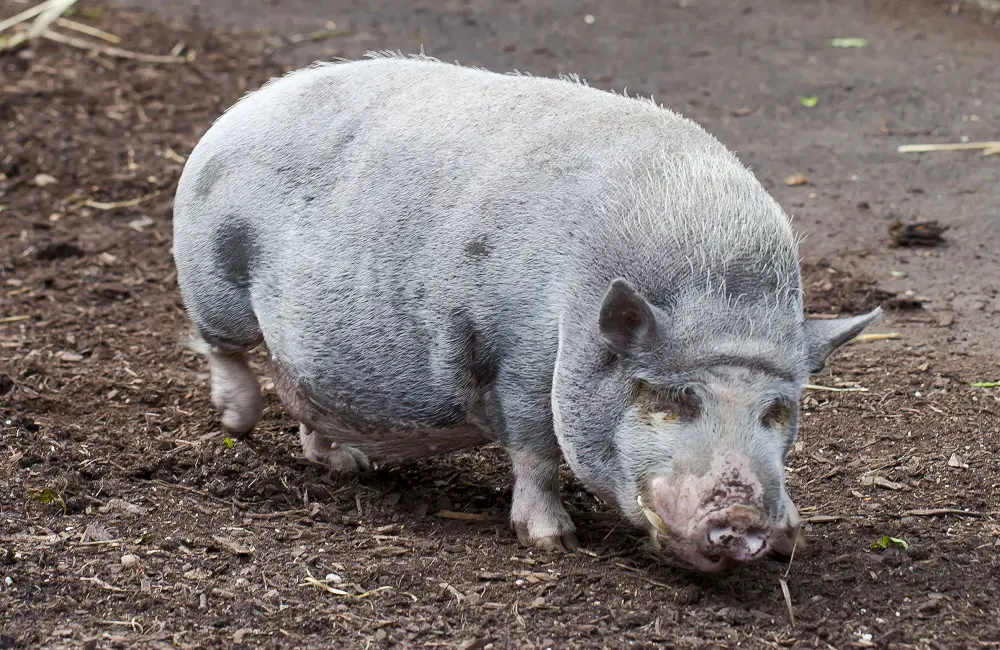
Pigs are smart, social animals. People think of them as filthy mostly because of how they look after a mud wallow.
Pigs tend to choose a separate, often wetter or cooler, spot as their toilet area. In crowded pens without enough space, they cannot keep areas separate, so they end up lying in their own waste.
Heat makes this worse. Pigs raised in confined housing may wallow in manure when they are too hot and have no mud or water to cool off.
Diet is another reason. Pigs are omnivores and root in the ground for food, and they will eat things people find disgusting.
Pigs also rub against trees, posts and walls to scratch itchy skin, which can leave them looking grubby.
So why mud? Pigs have few working sweat glands. A coat of mud cools their skin as it dries and protects it from sunburn.
How Clean Are Pigs?
Cleaner than their reputation. When they have enough room, pigs keep a separate toilet area away from where they sleep and eat. Mud wallowing is how they cool down, not a sign that they like filth.
The two habits people find disgusting are wallowing and eating almost anything. Watch pigs with enough space, though, and you will see them keep their nest area tidy.
Why Pigs Are Kept In Mud If They Are Clean Animals?
Like I have mentioned, the one thing people find disgusting in pigs is when they wallow in the mud. Because of that habit, people start putting inside their minds that pigs are disgusting animals. But there are reasons why pigs do that.
Pigs prefer a dry, comfortable spot to sleep.
Because they have few working sweat glands, pigs need mud, water or shade to cool down. University of Missouri Extension notes that heat stress can happen quickly in pigs over 100 pounds when temperatures pass 80°F with humidity above 50%. Elephants and many other animals also wallow to cool off.
Related article:Animals that wallow in mud
Do Pigs Eat Their Poop?
Sometimes. Eating feces (coprophagy) occurs in pigs, as it does in many animals, including dogs and rabbits. Piglets may nibble their mother’s droppings, and bored or underfed pigs may do it more.
It is not a sign that pigs are dirty by nature. A balanced feed, enough space and clean pens reduce the behavior.
Pigs are omnivores. Wild pigs eat mostly plant foods, such as roots, nuts and fruit, plus insects, worms and small animals.
8 Amazing Facts About Pigs
Now that you know that pigs are not filthy or dirty animals, let us take a look at some other facts that probably you don’t know about pigs. If you are ready, let us proceed!
Pigs Were Domesticated A Long Time Ago
Pigs are among the earliest domesticated animals. Archaeologists date pig domestication to roughly 9,000 to 10,000 years ago, in the Near East and separately in China. Their wild ancestor is the Eurasian wild boar.
Pigs Can’t Sweat
Pigs barely sweat! The saying "sweating like a pig" makes little sense, because pigs have few working sweat glands. That is why they roll in mud or soak in water to stay cool. Mud also helps prevent sunburn, according to University of Missouri Extension.
Pigs Are Cleaner Than You Think
People use "pig" as an insult for messy people, but that is unfair to pigs. Given a choice, pigs avoid soiling their sleeping and eating places. Young piglets start leaving the nest to relieve themselves within days of birth.
Pigs Are Smarter Than Dogs
Pigs are very intelligent. In studies, they have learned to use mirrors to find hidden food and to play simple joystick video games. Comparing them directly with dogs is hard, since each species is smart in different ways, but pigs clearly rank among the smartest farm animals. Piglets can learn to respond to their names at a young age.
Mother Pigs Can Sing
In a way, yes! Sows make rhythmic grunts while nursing that signal to the piglets when milk is coming. Piglets learn to recognize their mother’s voice. Pigs use many different grunts and squeals to communicate.
Pigs Love Belly Rubs
Many tame pigs enjoy belly rubs and will roll over for them. They also rub against trees and posts to scratch. Pigs enjoy playing with toys and with other pigs, and they need things to explore and root in to avoid boredom.
Pigs Can Dream While Sleeping
Pigs are social and often sleep huddled together. Like other mammals, they have REM sleep, the sleep stage linked to dreaming in people, so they may well dream, though no one knows what about.
Pigs Have Amazing Memories
Pigs have good memories. They can recognize familiar pigs and people, and in experiments they remember where food was hidden. They also learn to avoid places and handlers linked to bad experiences.
Final Verdict
Pigs are not naturally filthy. They wallow in mud because they have few working sweat glands and need to cool down, and with enough space they keep their toilet area away from where they sleep and eat.
If you keep pigs, give them shade, plenty of clean water, a wallow or sprinkler in hot weather, and enough room to keep their areas separate.
Source: worldanimalprotection.or.ke, bbc.com
Sources
- Sweating like a pig?, University of Missouri Extension
- Pigs can’t sweat to cool off; give them help on hot days, University of Missouri Extension