How to Stop a Horse from Running Through the Bit
Contents
There’s nothing more frustrating, or scary, than asking your horse to slow down and having it run through the bit. It’s dangerous for you, and the pressure can be hard on your horse’s mouth. So how can you stop it?
Start by ruling out pain: have your horse’s teeth checked and make sure the bit and saddle fit. Then go back to basics, teaching your horse to respond to light, clear rein and seat aids, with steady hands and plenty of rewards. Harsher bits, jerking the reins and punishment usually make the problem worse.
In this article, we cover why horses run through the bit and how to fix it safely. If you are not confident, work with a qualified instructor or trainer.
What does it mean when a horse runs through the bit?
A horse running through the bit keeps going, or speeds up, even when you use the reins to slow or stop it. This can be dangerous for both of you, so it’s important to address it.
There are several common reasons a horse runs through the bit. It may be in pain from its teeth, the bit or the saddle. It may not understand the rein aids, or it may have learned to brace against heavy hands. Fear, excitement and too much energy can also play a part.
So check your horse’s mouth and tack first, and make sure the bit fits properly.
Then look at your own riding. Steady hands, a balanced seat and clear, consistent aids help a horse understand what you are asking.
How to put a horse on the bit
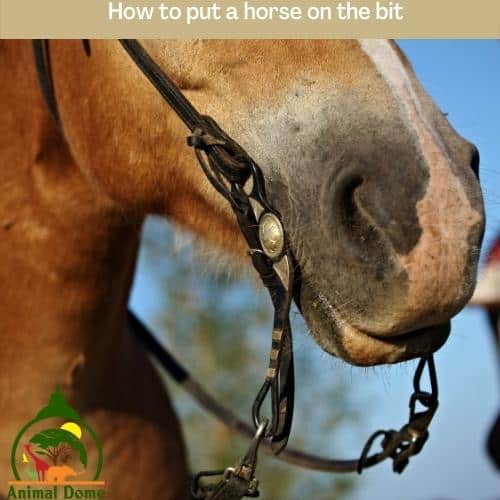
“On the bit” means the horse accepts a light, steady contact and responds softly to the rein. It is built over time through correct training, not by pulling the head into position.
It starts with forward movement from the leg, a balanced rider, and quiet, elastic hands. The video below walks through the basics.
How to train a horse from running through the bit?
There are a few things you can do to stop your horse from running through the bit.
First, rule out pain from the teeth, bit or saddle. Next, check your position and hands. Then retrain your horse to respond to light aids, rewarding every correct response.
Let’s explore each step in more detail below.
Choose an Appropriate Bit
The first step is to make sure your horse is comfortable in its mouth and that the bit suits its mouth and training level. If you’re not sure what type of bit is best, ask a qualified trainer or instructor.
Dental problems are a common cause of bit resistance. The University of Minnesota Extension lists refusal to accept the bit and head shaking among signs of dental problems, and recommends a dental check every year, even if you don’t notice problems. Have a veterinarian check your horse’s teeth before blaming behavior.
Bit fit matters too. A bit that is too wide or too narrow, or that sits too high or low in the mouth, can pinch the lips or bump the teeth. A horse new to training will do best in a simple, mild bit.
A young horse should get used to the bit gradually, from the ground, before it is ridden in one. Let it wear the bridle for short periods and mouth the bit while you lead and handle it calmly.
Don’t jump to a harsher bit. Utah State University Extension warns that even a mild bit becomes severe in rough hands. A stronger bit may stop a horse briefly, but it often adds pain and fear, which can make running through the bit worse.
Also check the saddle. A saddle that pinches or presses can make a horse rush, toss its head or resist. Look for sore spots, dry patches or ruffled hair after riding, and get help from a saddle fitter if needed.
Some horses go better in a bitless bridle or hackamore. These can be useful options, but they still require a light, well-trained response.
Adjust Your Position in the Saddle
Your position has a big effect on how your horse responds. Sit tall and balanced, keep your weight deep in your heels, and avoid leaning forward or pulling yourself up by the reins.
Many horses brace and rush when a rider is unbalanced or grips with the legs. A riding instructor can help you find a secure, effective position.
Use a Clear, Consistent Rein Signal
Many horses run through the bit because they have learned to lean on steady, heavy pressure. Pulling harder, sharp pulls or jerking the reins can hurt the mouth and make the horse brace more.
Instead, use clear, consistent aids. Ask with your seat and a squeeze and release of the reins, and release the moment the horse slows or softens. That release is the horse’s reward.
Practice transitions at the walk and trot in an enclosed area until your horse responds to light aids, then build up to faster gaits. Many riders also learn a one-rein stop with an instructor as an emergency brake, but practice it at slow speeds first, since turning sharply at speed can cause a fall.
Avoid Punishment
Slapping, jerking the reins or other punishment won’t teach a horse to stop, and it often increases fear and rushing. It can also make the horse more dangerous.
Be consistent and patient instead. Reward the behavior you want with a release of pressure, a rest or a scratch on the withers.
If your horse does run through the bit, stay calm and safe. Go back to groundwork and slow work until your horse is relaxed and responsive. With consistent, kind training, most horses learn to respond to the bit again.
Conclusion
Most horses that run through the bit are uncomfortable, confused, or have learned to lean on heavy hands. Check teeth, bit and saddle fit, improve your position, and retrain with light aids and well-timed releases.
For a horse that bolts or is unsafe to ride, get help from a qualified trainer. Thanks for reading!
Sources
- Caring for your horse’s teeth, University of Minnesota Extension
- Bitting the Horse: Snaffles, Utah State University Extension