Can Dolphins Be Pets? Everything You Need To Know About Dolphins!

Contents
- 5 Reasons Why Dolphins Are Not Good Pets
- Dolphins Are Dangerous
- Dolphins Are High Maintenance
- It Is Illegal
- Dolphins Are Expensive
- Keeping A Dolphin Alone Is Cruel
- Is It Legal To Own A Pet Dolphin?
- Is It Possible To Have A Pet Dolphin?
- 7 Interesting Facts About Dolphins
- Dolphins Are Easy To Find
- Dolphins Are Fast
- Dolphins Like Bubbles
- Dolphins Love To Talk
- Dolphins Are Intelligent
- Dolphins Have a Multi-Chambered Stomach
- Dolphins Can Rest Half Of Their Brain
- Why Many People Think Dolphins Should Not Be Kept In Captivity
- What Can I Do To Help Protect The Dolphins?
- Final Thoughts
- Sources
Dolphins are known for their intelligence and for often seeming curious about people. Many people even wonder why dolphins are friendly to humans.
However, can dolphins be pets? Let us start with a concise answer.
Can dolphins be good pets? No. In the United States, the Marine Mammal Protection Act makes it illegal to take or import dolphins except under federal permits for things like scientific research and public display, so private pet ownership isn't an option. Dolphins are also large, social wild animals that can injure people.
Let’s look at why dolphins don’t make good pets, why many people question keeping them in captivity, and some interesting dolphin facts.
5 Reasons Why Dolphins Are Not Good Pets
There are many reasons dolphins are not pets, from the law to their size, needs and strength.
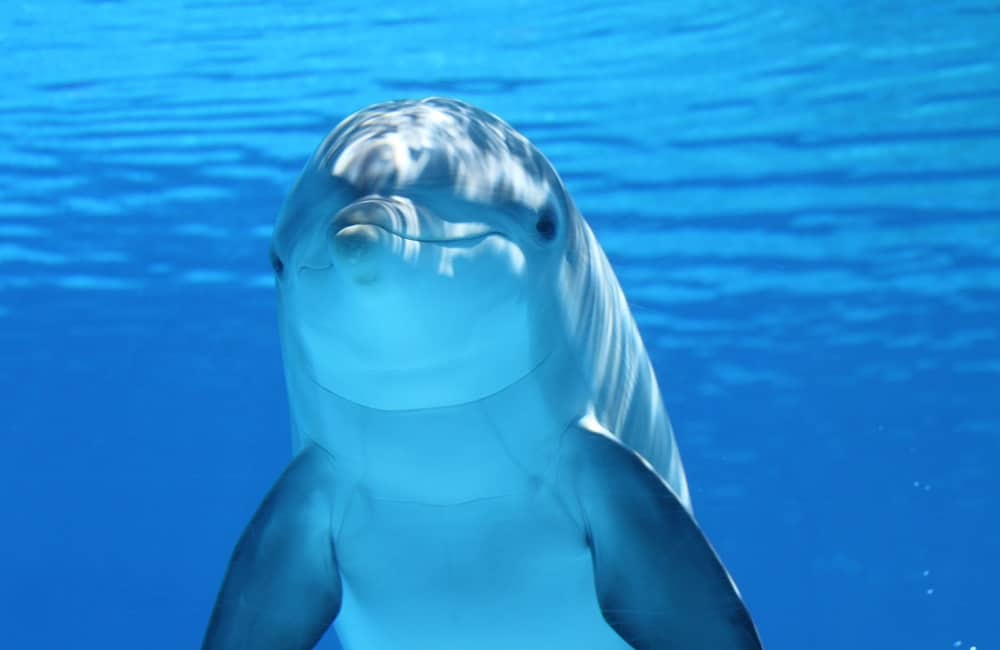
Dolphins can look friendly and playful, but they are wild animals that can be dangerous to people.
Below are five reasons dolphins are not good pets.
Dolphins Are Dangerous
Dolphins are strong animals with many sharp teeth and powerful tails. Wild dolphins have bitten and rammed people, especially when people try to feed, touch or swim with them.
Dolphins in aquariums often look obedient, but that comes from years of work by professional trainers. Dolphins are still wild animals with their own behavior.
NOAA Fisheries warns that feeding and harassing wild bottlenose dolphins is illegal and puts both dolphins and people at risk. Watch wild dolphins from a distance.
Dolphins Are High Maintenance
Dolphins need huge amounts of space, large volumes of clean salt water, lots of fresh fish, and specialized veterinary care.
That's why only facilities with large pools, staff and permits can keep them, and even then their care is closely regulated.
A dolphin cannot live in a small tank. Even a large private pool could not meet its needs for space, water quality and company.
It Is Illegal
In the United States, the Marine Mammal Protection Act prohibits taking or importing marine mammals, including dolphins, except under specific permits. Those permits cover purposes like scientific research and public display, not private pets.
Other countries have their own wildlife laws. Even where the rules differ, keeping a dolphin as a pet is not realistic or humane.
Dolphins Are Expensive
Even setting the law aside, caring for a dolphin would cost far more than almost anyone could afford. Pools, filtration, food and veterinary care for marine mammals are very expensive.
Keeping A Dolphin Alone Is Cruel
Dolphins are social animals that live in groups and travel long distances in the wild. A single dolphin kept alone in a tank would be deprived of the company and space it needs.
Many people and animal welfare groups also question whether dolphins should be kept in captivity at all, even in large facilities.
Is It Legal To Own A Pet Dolphin?
Many people see dolphins in aquariums, on TV or on social media and wonder if they could keep one.
So, is it legal to have a pet dolphin? Not in the United States. Under the Marine Mammal Protection Act, dolphins can only be taken or imported under federal permits for purposes such as scientific research and public display. There is no permit for keeping a dolphin as a pet.
Rules differ in other countries, but dolphins are protected in many places, and the cost and care they need make them unsuitable as pets anywhere.
Is It Possible To Have A Pet Dolphin?
For private individuals, no. Keeping a dolphin legally requires the space, staff, veterinary care and permits that only specialized facilities have.
In practice, it is not possible for a private person to keep a pet dolphin legally in the United States. Even if it were, a dolphin's needs for space, company and specialized care could not be met in a home.
7 Interesting Facts About Dolphins
To give you more information about dolphins, below are some interesting facts:
Dolphins Are Easy To Find
Dolphins live in oceans around the world, and some species live in rivers.
Bottlenose dolphins are among the most widespread. They live in temperate and tropical waters worldwide, in coastal areas, bays and estuaries, and the open ocean.
Dolphins Are Fast
Dolphins are strong, fast swimmers. They use their speed to chase prey and escape predators, and they often ride the bow waves of boats.
Dolphins Like Bubbles
Dolphins breathe air through a blowhole on top of the head because they are mammals with lungs. When they release air underwater, it makes bubbles.
Some dolphins blow bubble rings and play with them, and some use bubbles while hunting.
Dolphins Love To Talk
Dolphins are very vocal. They communicate with each other using whistles, clicks and other sounds.
Bottlenose dolphins also use echolocation, sending out clicks and listening for echoes to find prey.
Dolphins Are Intelligent
Dolphins are among the most intelligent animals. They learn quickly, solve problems, and live in complex social groups.
Bottlenose dolphins have even been seen using tools in the wild, such as carrying sponges on their snouts while foraging on the seafloor.
Dolphins Have a Multi-Chambered Stomach
Like their relatives the whales, dolphins have a stomach with several chambers. The first chamber stores and starts breaking down food, and later chambers continue digestion.
Dolphins don't chew. NOAA notes that bottlenose dolphins grip fish with their teeth and swallow them whole, head first.
Dolphins Can Rest Half Of Their Brain
Dolphins can rest one half of their brain at a time while the other half stays alert. This lets them keep surfacing to breathe and watch for danger, often with one eye open.
Why Many People Think Dolphins Should Not Be Kept In Captivity
Most dolphins in human care live in aquariums and marine parks, where teams of trainers and vets look after them.
As a kid, I loved watching dolphin shows. As an adult, I see why many people question keeping such social, wide-ranging animals in tanks.
Why do many people think dolphins should not be kept in captivity? Critics point out that wild dolphins live in large social groups and travel long distances every day, which no pool can match. They argue that captivity can cause stress and health problems.
Aquariums argue that they support research, education and the rescue of stranded animals. It's a debated topic, but almost everyone agrees that dolphins are not pets.
What Can I Do To Help Protect The Dolphins?
There are two easy ways to help. First, help keep oceans and waterways clean, and never feed or chase wild dolphins. Second, you can support conservation groups, for example by symbolically adopting a dolphin through WWF.
Conservation groups like WWF work to protect dolphins, other marine life, and their habitats.
Final Thoughts
Dolphins are amazing animals, but they are not pets. In the United States, keeping one as a pet is illegal, and their needs can't be met in a home. The best way to enjoy dolphins is to watch them responsibly in the wild and help protect their ocean homes.
Sources
- Common Bottlenose Dolphin, NOAA Fisheries
- Marine Mammal Protection Act, NOAA Fisheries