
Are Barracudas Dangerous? Surprising Answer!
Contents
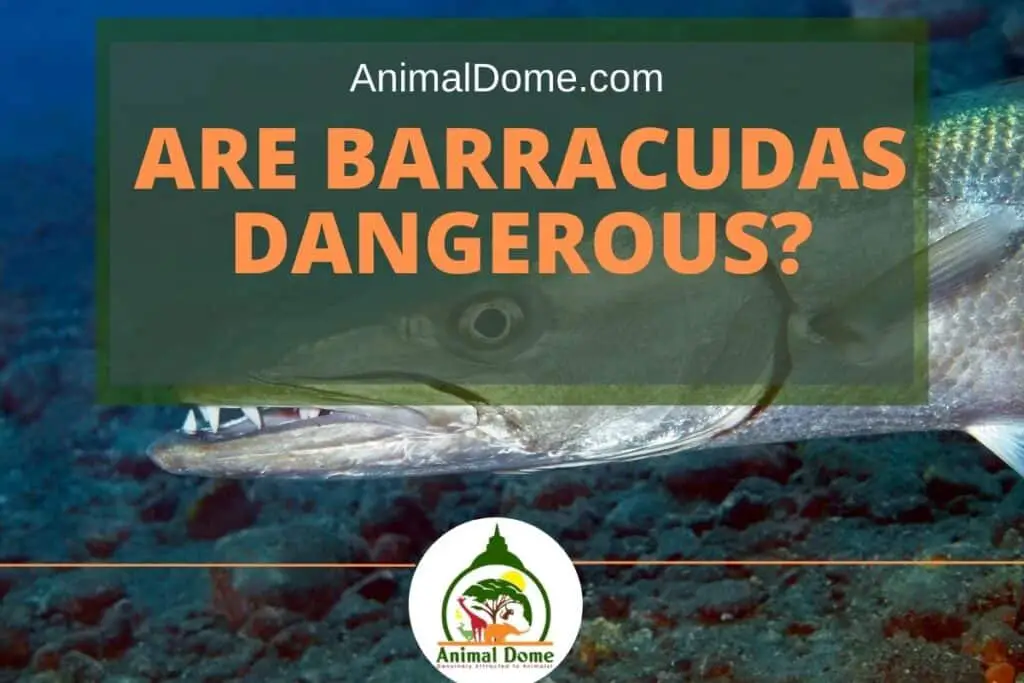
Barracudas are long, fast fish with large mouths and sharp, fang-like teeth. The great barracuda, the species divers meet most often, can grow over 5 feet long and over 100 pounds, though most are much smaller.
Seeing one up close can be unsettling. So are barracudas dangerous to people?
Barracudas rarely attack people, and they don't treat humans as prey. Documented barracuda attacks on humans are rare, and only a couple of deaths have been reported, in 1947 and 1957. Most bites happen when a barracuda mistakes something shiny for a fish or tries to steal a spearfisher's catch.
Rarely attacking and being harmless are two different things, though. Read on to learn about barracuda behavior and how to stay safe around them.
Can Barracudas Be Deadly?
Barracuda bites are rarely deadly. The two reported deaths happened decades ago, off Key West in 1947 and North Carolina in 1957.
A bite is usually a single, very fast strike. It can cause a deep cut and some tissue loss, so it can be serious even if it isn't fatal.
Does this imply that swimming close to a barracuda is dangerous?
Not usually. Barracudas are common around reefs in popular snorkeling and diving spots, and the vast majority of encounters end without any trouble.
Are Barracudas More Dangerous Than Sharks?
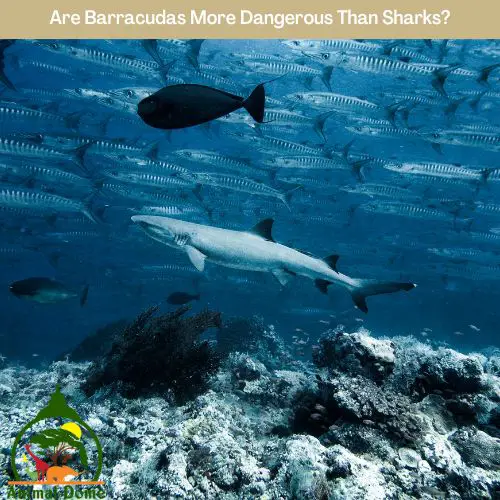
No. Barracudas are less of a threat than large sharks. They are much smaller, and their bites are less severe.
A bite from a large shark can be fatal or cause the loss of a limb.
A barracuda bite can cause a nasty laceration that needs stitches, and it can damage tendons or nerves in a hand or arm. It is rarely life-threatening.
If a barracuda bites you, it most likely mistook part of you, or something you were wearing or carrying, for a fish. It usually strikes once and leaves.
Are Barracudas Aggressive?
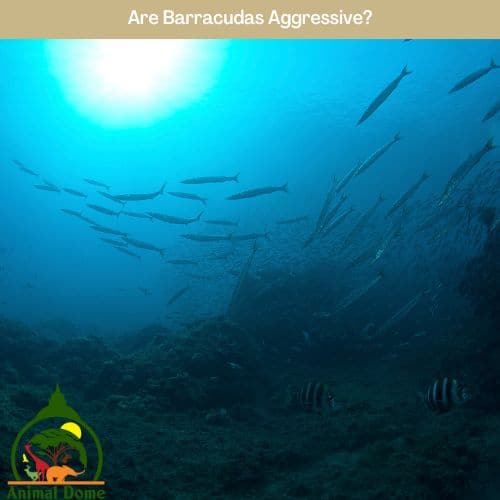
Barracudas are not usually aggressive toward people, but they are bold, curious predators.
Barracudas are predators, not scavengers. They hunt mainly by sight during the day, eating fish such as jacks, grunts, snappers, mullets and anchovies.
Because they hunt by sight, a flash of light can trigger a strike. Many bites happen when a barracuda mistakes a shiny object, such as a diving knife or jewelry, for a small fish.
Barracudas also learn to follow spearfishers and may try to steal speared fish. Divers carrying bleeding fish are more likely to be bitten.
If you avoid those situations and don't harass the fish, you are very unlikely to have a problem.
Do Barracudas Attack Humans?
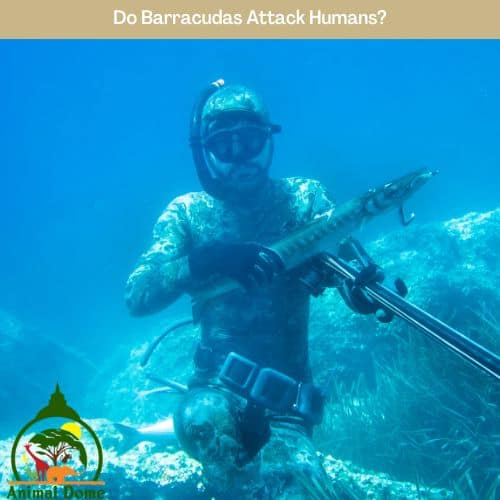
Attacks are rare. When they do happen, they are almost always a case of mistaken identity or competition for a fish, not a barracuda hunting a person.
Barracudas make split-second decisions when they see a flash or movement. Cloudy water and shiny objects make mistakes more likely.
Anglers should be careful too. A hooked barracuda thrashes hard and can bite when it is being landed or unhooked.
The reported deaths were caused by heavy bleeding from bite wounds.
Barracudas often follow snorkelers and divers out of curiosity. This can be unnerving, but following is not a sign of an attack.
Do Barracudas Bite Humans?
Yes, barracudas sometimes bite people, but not because they want to eat them.
A barracuda bite is no joke. Its long, sharp teeth are built for gripping and slicing slippery fish.
The teeth can cut deeply. A bite on the hand can damage nerves and tendons, so any barracuda bite should be cleaned and checked by a doctor right away.
What Should You Do If You Encounter A Barracuda?
Barracudas can look scary because of their size and sharp teeth. But don't judge a fish by its looks.
Barracudas usually follow divers and snorkelers out of curiosity, not to threaten them.
If a barracuda is following you, stay calm and go about your swim. Don't chase it, corner it or try to touch it.
Before you get in the water, remove shiny jewelry and cover or put away anything that flashes.
If you have been handling or cleaning fish, rinse off first. Don't carry speared or bleeding fish next to your body.
In short, avoid shiny objects, murky water near feeding fish and anything that looks like a free meal.
Barracuda And Ciguatera
There is another way barracudas can harm people: when they are eaten.
Large barracudas can carry ciguatoxins, which build up in reef fish through the food chain. Eating contaminated fish causes ciguatera poisoning, with stomach illness, weakness and reversed hot-cold sensations that can last for weeks.
Cooking or freezing doesn't destroy the toxin. Follow local advice before eating barracuda, especially large ones from tropical reefs.
In Conclusion
Barracudas generally do not pose much danger to people. Most problems come from mistaken identity or competition for fish.
To avoid trouble, leave shiny jewelry at home, don't carry bleeding fish, avoid murky water near feeding fish and never harass a barracuda.
Like all wild animals, barracudas can be unpredictable, so give them space and respect.
Sources
- Great Barracuda, Florida Museum of Natural History