
Do Otters Eat Ducks? [Interesting Facts]
Contents
Otters are skilled, playful carnivores that hunt mostly in water. Sea otters are even known for using rocks as tools to crack open shellfish.
Yes, otters sometimes eat ducks, but not often. Most of an otter's diet is fish and other aquatic animals. Birds, their eggs and small land mammals are eaten only on occasion.
The North American river otter eats mostly aquatic prey, including fish, frogs, crayfish, turtles and insects, according to the Smithsonian's National Zoo. Other otter species also eat crabs and shellfish.
Do Otters Eat Ducks?
Yes, occasionally. Otters are opportunistic hunters, so they will take a duck, duckling or other bird when the chance comes up.
Birds are a small, occasional part of the diet. Animal Diversity Web notes that river otters eat birds, their eggs and small land mammals "on occasion," while fish, amphibians, turtles and crayfish make up the main diet.
Otters may take more birds when the local population of fish is low or when birds are easy to catch. Otters near farms sometimes raid poultry or fish ponds as well.
Do Otters Eat Baby Ducks?
Ducklings are easier to catch than adult ducks, so an otter may take one if it gets the chance. Otters look cute, but they are capable predators.
Do Otters Eat Birds?
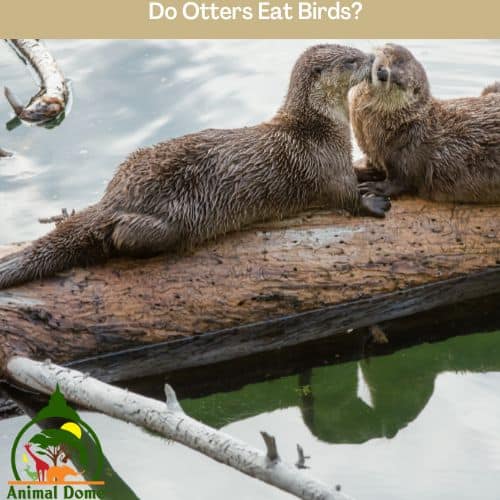
Yes, but birds are not a main food. Otters mostly eat what is plentiful and easy to catch in the water, and that is usually fish, crayfish and frogs.
How Do Otters Hunt Birds?
Otters are strongest in the water. They usually approach swimming birds from below or behind and grab them. On land they are less effective hunters.
How To Keep Otters Away From Your Pets And Property
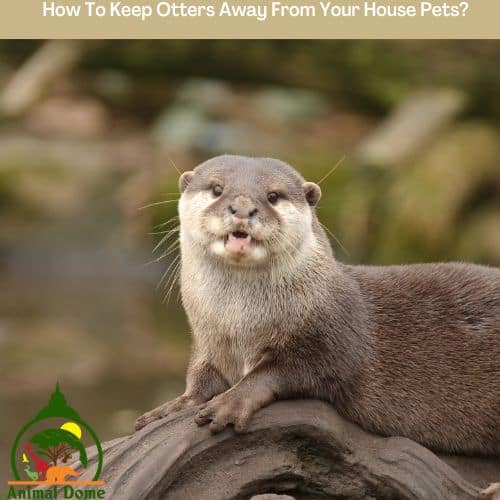
Homes near rivers, lakes and streams may get otter visits. River otters sometimes travel 10 to 18 miles (16 to 29 km) over land to find food.
Otters can leave food scraps and droppings (spraints) around docks and yards, and they can raid fish ponds and poultry. Attacks on cats and dogs are rare, but keep small pets and poultry secure near otter habitat.
To keep otters away:
- Protect fish ponds and poultry runs with sturdy fencing or netting, buried at the base so otters can't dig under.
- Lock poultry and small pets in secure enclosures at night.
- Don't leave pet food or fish scraps outside.
Don't trap or relocate otters yourself. Otters are protected or regulated wildlife in many places. Contact your state or local wildlife agency for advice on a problem otter.
Final Verdict
Otters do eat ducks sometimes, but only occasionally. Fish and other aquatic animals make up most of their diet, and birds are an opportunistic extra.
Sources
- North American river otter, Smithsonian's National Zoo and Conservation Biology Institute
- Lontra canadensis (northern river otter), Animal Diversity Web, University of Michigan


