Can Scorpions And Tarantulas Live Together?
Contents
Exotic invertebrates have become popular pets, and tarantulas and scorpions are two of the most common. Have you ever wondered if tarantulas and scorpions can live together? I often see this question on forums, so I decided to research it.
So, can scorpions and tarantulas live together? No. Tarantulas and scorpions should never share an enclosure. Both are predators that eat other arthropods, including each other, so one will almost certainly injure or kill the other. They also have different housing needs.
Whichever one is bigger or gets the first strike will usually win. A large tarantula can kill a scorpion, and a scorpion's sting can kill a tarantula.
Related Article: Do scorpions recognize their owners?
Differences Between Tarantulas And Scorpions
Tarantulas and scorpions look scary to many people, though many keepers love them.
Both are arachnids with eight legs and two main body regions. Both are mostly nocturnal predators that eat insects and other small animals.
However, even though they have some similarities, tarantulas and scorpions still have differences, which we are going to check right now! So if you are ready to know their differences, let us proceed!
Tarantulas
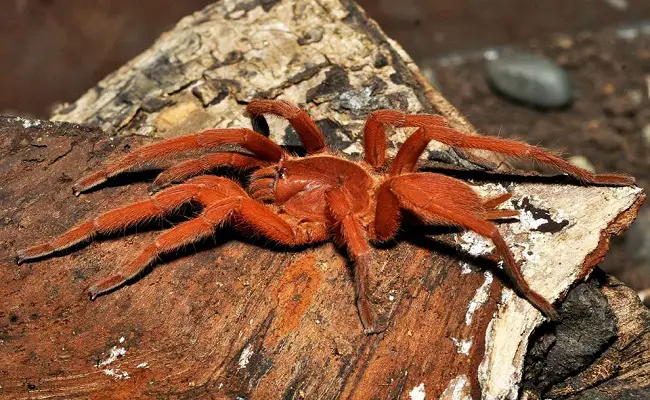
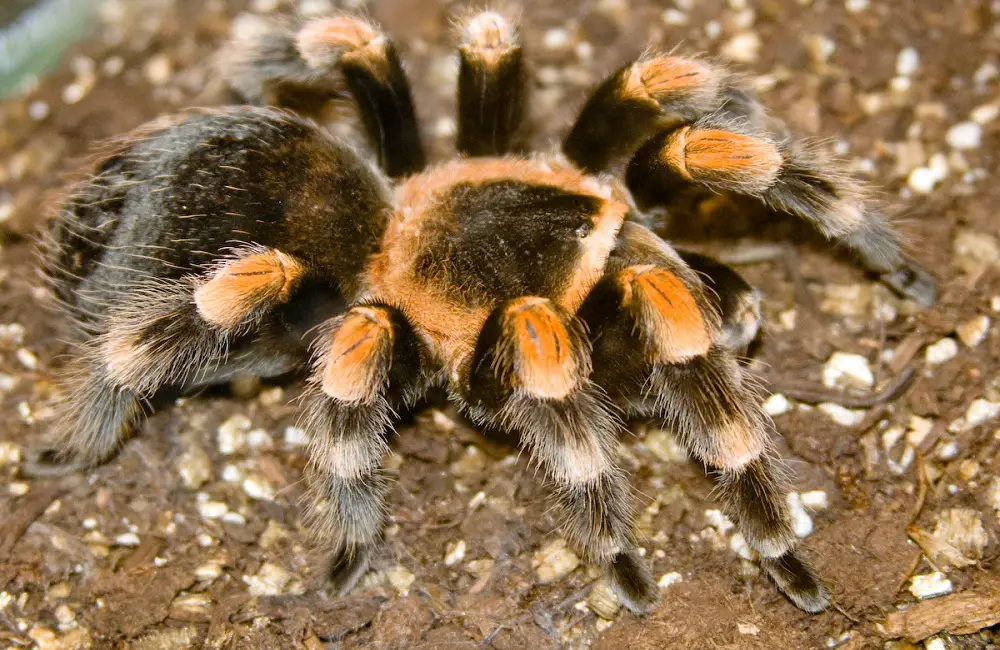
Tarantulas are the biggest spiders in the world. Many are brown or black, while some species are brightly colored or striped. They have hairy legs and bodies.
Tarantulas are nocturnal hunters. According to the San Diego Zoo, they prey on insects, other spiders, and small lizards, snakes and frogs. They ambush or chase down their prey and kill it with a venomous bite from their fangs.
Many tarantulas from the Americas also defend themselves with urticating hairs. When disturbed, they use their legs to flick these barbed hairs off their abdomen, and the hairs irritate the eyes and skin of attackers.
Tarantulas from Asia and Africa don't have these hairs and rely more on threat displays and biting.
Tarantulas live on every continent except Antarctica, but most are found in South America. Their habitats include rainforests, deserts and scrubland. Some live in burrows, some under rocks or logs, and some in webbed retreats in trees.
The San Diego Zoo also notes that tarantulas are solitary, with only one spider per burrow.
Scorpions
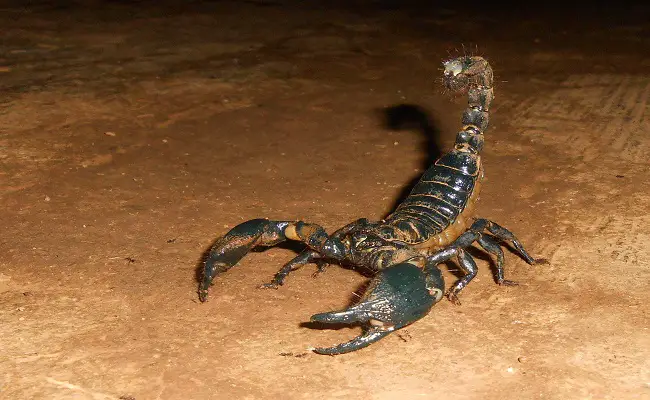
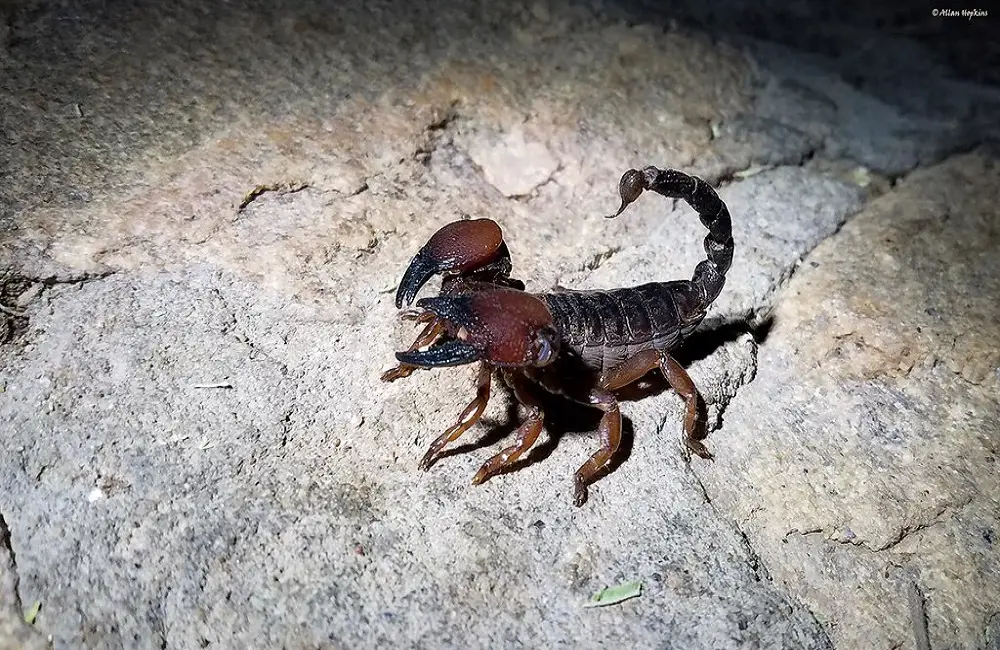
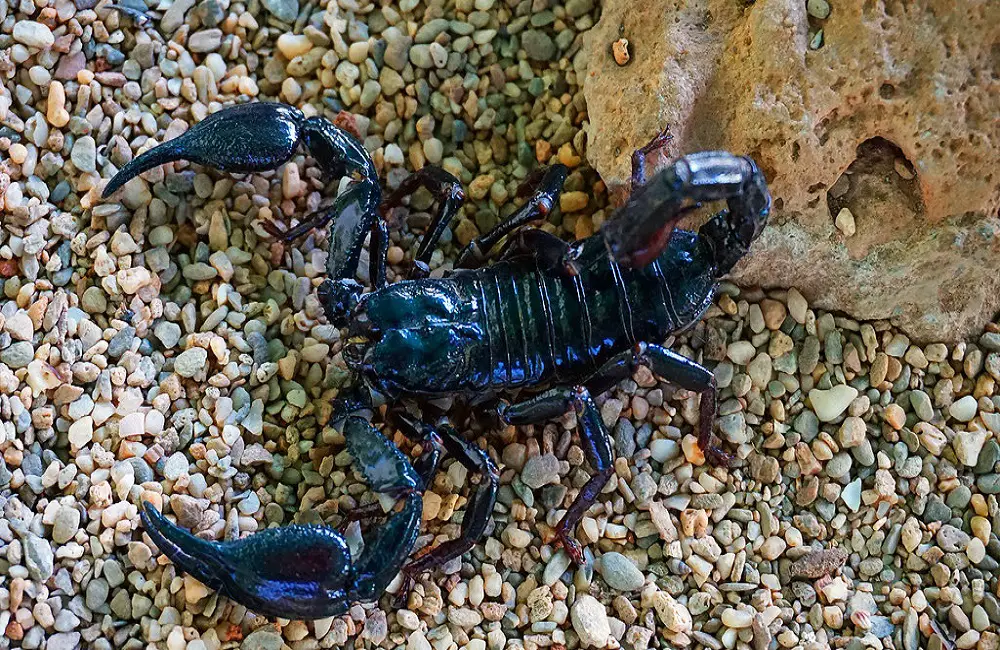
Scorpions look like small lobsters, with a pair of pincers (pedipalps) in front and a segmented tail that curves over the back and ends in a venomous stinger.
Spiders inject venom with their fangs. Scorpions grab prey with their pincers and may sting it to subdue it. Some species rely more on their strong pincers and sting less often.
Scorpions eat insects, spiders, other scorpions and, for larger species, small lizards or mice. The San Diego Zoo notes that some wait by their burrow for prey, while others actively forage. They are carnivores and don't eat fruits or vegetables.
When threatened, a scorpion can pinch with its pedipalps or sting. The strength of the pinch and the potency of the venom vary a lot between species.
Scorpions live in many habitats. Many species live in deserts and dry regions, while others live in tropical forests. They hide under rocks, logs, bark and debris during the day.
Both animals are dangerous to small prey, and some species can also hurt people.
Tarantulas bite and scorpions sting. Most tarantula bites and most scorpion stings are painful but not dangerous to healthy adults.
However, a few scorpion species have medically significant venom. If you are stung or bitten and have severe pain, trouble breathing, muscle twitching or an allergic reaction, seek medical care right away. For a child, always call for medical advice.
If They Can’t Live Together, Can I Keep Two Tarantulas Or Scorpions Together?
Keeping two tarantulas together is generally a bad idea. Tarantulas are solitary and cannibalistic, and one will often eat the other.
Scorpions are a bit different. Most species should also be housed alone, but a few species are kept in groups by experienced keepers. Even then, fighting and cannibalism can happen.
Both are predators, and most species don't tolerate others of their kind outside of mating. The San Diego Zoo notes that scorpions usually don't seek out other scorpions except to mate.
Cannibalism is common in both groups. Larger or stronger individuals often prey on smaller or weaker ones, especially after a molt, when they are soft and vulnerable.
Keeping two together can also cause feeding problems. One animal may take all the food, leaving the other underfed and stressed.
If you want more than one, the safe choice is a separate enclosure for each animal.
Who Would Win In A Fight, Tarantula, Or Scorpion?
There's no fixed answer, and staging a fight is cruel, so please don't try it. The outcome would depend on the species, their size, their venom and which one strikes first.
Scorpion venom strength varies widely between species. A common rule of thumb among keepers is that species with thin pincers and a thick tail tend to have stronger venom, but there are exceptions.
Tarantulas also vary. Some species are fast and defensive, such as the orange baboon tarantula, which is known for being quick to bite. Others are slow and calm.
Neither animal benefits from a fight, and both can be seriously injured or killed.
Final Words
Scorpions and tarantulas cannot live together because they are both predators that will eat other arthropods, including each other. If you keep both of them in the same enclosure, one will probably die. If you want to keep a scorpion and a tarantula, give each its own terrarium.
Source: en.wikipedia.org, nationalgeographic.com