Why Do Earthworms Die When Salt Is Sprinkled On Them?
Contents
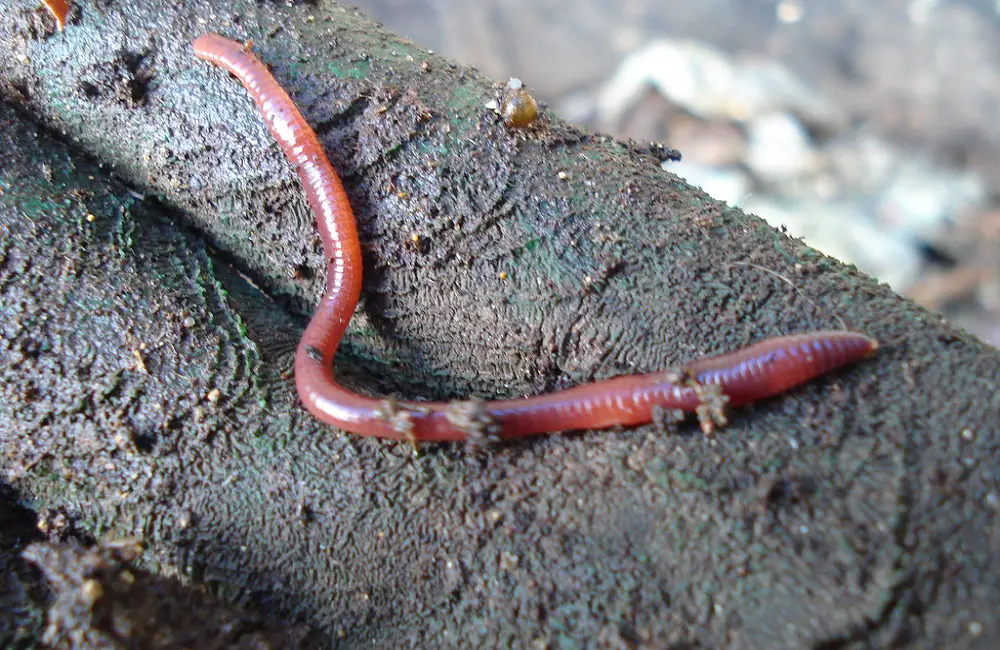
Earthworms play a major role in breaking down organic matter. As they feed on decaying plants and the microbes living on them, they help recycle nutrients back into the soil.
So, why do earthworms die when salt is sprinkled on them? Salt draws water out of an earthworm's body through its thin, moist skin. Earthworms breathe through that skin, so when it dries out they can't take in oxygen, and they lose the water balance their bodies depend on.
What Are Earthworms?
Earthworms are invertebrates in the phylum Annelida, the segmented worms. Roundworms and flatworms belong to other groups.
The name Annelida comes from the Latin word "anellus," which means little ring, after the ring-like segments of the body. Earthworms are hermaphrodites, meaning each worm has both male and female reproductive organs.
Earthworms live in soils around the world, and thousands of species have been described. Most are a few inches long, but some tropical and Australian species can grow several feet long.
Should I Worry About Earthworms?
No. Earthworms are generally a sign of healthy soil. They change soil structure, water movement and nutrient cycling in several useful ways.
- Boost microbial activity: As organic matter passes through a worm's gut, it is broken up and mixed with microbes. Worm castings help release nutrients in forms plants can use.
- Mix the soil as they burrow: Worms carry organic matter down and bring soil up, leaving castings on or near the surface. Charles Darwin studied this soil-moving work in detail.
- Increase water infiltration: Burrows create channels that help rainwater soak in and drain, which can reduce runoff and erosion.
- Help soil hold water: Castings help bind soil particles into aggregates, which improves structure and water-holding capacity.
- Make root growth easier: Roots can follow old burrows deeper into the soil, where castings provide nutrients.
What To Not Feed Worms?
If you keep worms in a compost bin, some foods can harm them or cause odor and pest problems. The University of Florida IFAS Extension advises avoiding citrus in home worm bins, because citric acid and limonene can be toxic to worms.
- Processed food: Skip processed and heavily seasoned food.
- Citrus: Avoid oranges, lemons and other citrus, especially the pulp.
- Onions and garlic: Their sulfur compounds can harm worms, although the papery skins are generally considered safe.
- Meat and dairy: These rot, smell and attract flies and rodents.
- Oily, salty and spicy foods: Oil can coat a worm's skin and interfere with breathing, and salt dries the skin.
- Too much at once: Overfeeding, especially with sugary or wet foods, can make a bin sour and hot. Start small and add more only when the last batch is being eaten.
- Pesticide-treated plants: Keep insecticides away from the bin and its food.
- Large amounts of fresh grass: Fresh clippings heat up as they break down, which can harm worms.
Earthworms Respiratory System
Earthworms have no lungs. According to the U.S. Botanic Garden, glands in the skin give off mucus that keeps the body moist, and oxygen dissolves in that moisture and passes into the body.
The oxygen is then carried around the body by the blood. Carbon dioxide leaves the same way, out through the skin.
That is why moisture is a matter of life and death. If an earthworm's skin dries out, it can no longer breathe.
Effect Of Salt On Worms
Earthworms are very sensitive to salt. When salt touches their moist skin, it pulls water out of the body by osmosis.
The skin dries and gets damaged, breathing through the skin fails, and the worm can't keep its body fluids in balance. A worm covered in salt will die.
Lower salt levels in soil may not kill earthworms outright, but salty soil is a poor habitat and can reduce their growth and reproduction.
Is There A Chance Worms Eat Salt?
Earthworms don't seek out salt. They take in tiny amounts of minerals as they swallow soil, but concentrated salt harms them.
Does A Worm Die When Cut In Half?
Not always, but cutting a worm in half does not make two new worms.
Many earthworm species can regrow a lost tail section if the cut is behind the vital organs near the head. If the front section is badly damaged, the worm usually dies. How well a worm regenerates depends on the species.
Some flatworms, such as planarians, are famous for the opposite: each piece can regrow into a whole new worm.
Will Salt Keep Worms Away?
You shouldn't need to. Earthworms don't infest homes; they only end up indoors or on pavement by accident, often after heavy rain.
Don't sprinkle salt around your house or garden to keep worms away. Salt harms soil and plants as well as worms. If a worm wanders in, simply move it back outside to moist soil.
Final Thoughts
Earthworms help keep soil healthy. Salt kills them because it draws water out through the moist skin they breathe through.
Sources
- Earthworms Science Page, United States Botanic Garden
- Vermicomposting 101 Fact Sheet, UF/IFAS Extension Leon County