Can Tarantulas Eat Cockroaches? Yes Or No?
Contents
- Can Tarantulas Really Eat Cockroaches?
- What Type Of Roaches Can I Feed My Tarantula?
- Dubia Roach
- Turkestan Roach
- Madagascar Hissing Roach
- What Kind Of Roaches Should I Not Feed To My Tarantula?
- Can I Use My Pet Tarantula To Hunt Cockroaches Inside My House?
- How Long Does It Take For A Tarantula To Eat A Cockroach?
- Are Cockroaches The Favorite Food Of Tarantulas?
- Can Roaches Hurt Tarantulas?
- Final Verdict
- Sources
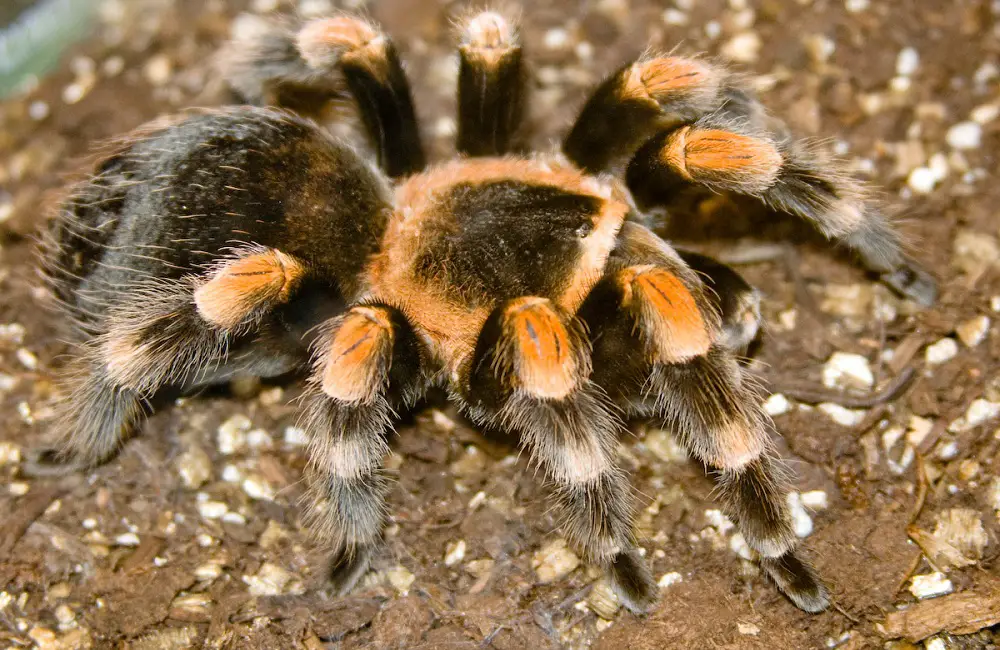
If you own a tarantula, you may wonder whether cockroaches are a safe food. Maybe you aren't sure which kind to buy, or whether the ones in your kitchen are okay.
Can tarantulas eat cockroaches? Yes. Tarantulas readily eat cockroaches. Use captive-bred feeder roaches, not roaches caught in your house, which may carry pesticides or parasites.
Below, we cover the most popular feeder roaches, how to keep them, and why wild roaches are a bad idea.
Can Tarantulas Really Eat Cockroaches?
Yes. Wild tarantulas eat a wide range of insects and other small prey, and cockroaches are a common, nutritious choice for pet tarantulas.
Cockroaches are not the only option. Crickets, mealworms and other captive-bred feeder insects also work. Offering a mix is a good idea.
Match the prey to the spider. A feeder should be no bigger than about the size of the tarantula's body, and uneaten prey should be removed after a day so it can't bother the spider, especially around a molt.
What Type Of Roaches Can I Feed My Tarantula?
Three feeder roaches are especially popular with tarantula keepers. Here is how they compare.
Before you start a colony, check your local rules. Some roach species need a permit or are banned in certain states.
Dubia Roach
The dubia roach (Blaptica dubia) is also called the orange-spotted or Argentinian wood roach. Adults reach roughly 1.5 to 2 inches (about 40 to 46 mm).
Dubias are one of the most popular feeders because they are easy to breed and don't climb smooth plastic or glass.
Like most feeder insects, they are low in calcium. That matters more for reptiles than for tarantulas.
How To Breed
Dubias need a suitable container, warmth and steady food.
A plastic bin with egg cartons works well. Use a bigger bin as the colony grows.
Keep them warm, around the mid-80s °F. Feed them fruits, vegetables and grain-based foods.
You need adult males and females. Females carry their eggs inside the body and give birth to live nymphs, roughly a month or more after mating.
Pros:
- Easy to breed.
- Nutritious for your tarantula.
- Little odor.
- Quiet.
Cons
- Not available in all pet stores.
- They may hide in the tarantula's enclosure.
- They sometimes play dead when the tarantula approaches.
Turkestan Roach
The Turkestan cockroach (Blatta lateralis, also listed as Shelfordella lateralis) is also called the red runner or "lat." Adults are about an inch long.
Its light color leads some people to confuse it with the German cockroach, but it is a different species.
How To Breed
Red runners are fast and good at escaping, so they need a secure bin. Escaped roaches can become a nuisance in your home.
They do well warm, roughly 75 to 95 °F, in a plastic bin with egg cartons.
They eat fruits and vegetables plus a protein source such as dry dog food.
They can't climb smooth plastic well, but adult males have wings, so keep a secure lid on the bin. Colonies breed on their own once you have males and females.
Pros
- Easy to find online.
- Don't burrow.
- Active movement gets a tarantula's attention.
Cons
- Rarely sold in pet stores.
- Fast and escape-prone.
- Can become a household pest if they get loose.
Madagascar Hissing Roach
The Madagascar hissing cockroach is a large, wingless roach from Madagascar. Adults can reach about 3 inches, so hissers suit large tarantulas.
Although they have no wings, hissers can climb smooth surfaces, including glass. They hiss by pushing air out of breathing holes on the sides of the abdomen, usually when disturbed or during courtship and fights.
How To Breed
Because hissers climb, use a tight lid. A band of petroleum jelly near the top of the container helps stop escapes.
Give them bark or logs to hide in. Feed vegetables such as carrots and leafy greens, plus some dry dog food for protein.
Keep them warm, about 80 to 95 °F. They are tropical and don't tolerate cold.
According to the University of Florida, keeping hissing cockroaches without a permit is illegal in many U.S. states, including Florida, so check your state rules first.
Pros
- Good for large tarantulas.
- Easy to breed.
- Long-lived.
Cons
- Good at escaping.
- Not always available in pet stores.
- They hiss.
- Some odor.
- Colonies can carry mites.
What Kind Of Roaches Should I Not Feed To My Tarantula?
Never feed your tarantula a cockroach caught in or around your home.
Wild roaches may have been exposed to pesticides that can poison your tarantula. They can also carry parasites and germs.
Don't try to breed household pest roaches either. If they escape, you could start an infestation.
Can I Use My Pet Tarantula To Hunt Cockroaches Inside My House?
No. This is a bad idea for the same reason: house roaches may carry pesticides.
Letting your tarantula roam also puts it at risk of falls, injury or escape. It could bite a family member or pet that startles it.
How Long Does It Take For A Tarantula To Eat A Cockroach?
It depends on the size of the roach and the spider. A tarantula may finish a small roach in an hour or two. A large meal can take many hours.
Are Cockroaches The Favorite Food Of Tarantulas?
Tarantulas are opportunistic hunters. They eat whatever suitable prey they can catch. Many keepers find that tarantulas take roaches eagerly, but crickets and other feeders work too.
Can Roaches Hurt Tarantulas?
A healthy adult tarantula easily overpowers a feeder roach.
Risk rises for small spiderlings and for any tarantula that is molting. Remove uneaten prey so it can't disturb or nibble a soft, freshly molted spider.
Final Verdict
Tarantulas can eat cockroaches. Stick with captive-bred feeder roaches such as dubias, red runners or hissers, and never use roaches caught at home. Feeder roaches are sold online and at reptile and exotic pet stores.
Sources
- Madagascar hissing cockroach, Gromphadorhina portentosa, University of Florida Entomology and Nematology Department