
Animals Who Can Change Their Genders [ Transgender Animals ]
Contents
- Defining Transgender in Humans
- Transgender in the Animal Kingdom
- Quick Examples of Transgender Behavior in Animals
- Animals That Can Change Their Gender
- Clownfish
- Wrasse
- Hermaphroditic Snails
- Southern Leopard Frog
- Parrotfish
- Garter Snake
- Animals That Can Identify as Having Transgender Traits
- Spotted Hyenas
- Black-Headed Gulls
- Japanese Macaques
- Chickens
- Deer
- Whiptail Lizard
- Bonobos
- Penguins
- Elephants
- Rats
- Dolphins
- Bearded Dragon
- Banana Slug
- Cuttlefish
- Blackfin Goby
- Frog
- Marsh Harrier
- Sea Snails
- Sea Bass
- Conclusion
- Sources
What do clownfish, slipper snails and parrotfish have in common? They can all change sex during their lives.
Animals don't have gender identities the way people do, but sex in the animal kingdom is far more varied than "male" and "female." Here is what scientists actually know about animals that change sex, and about behaviors people sometimes call "transgender-like."
At a glance:
Some animals naturally change sex as part of their life cycle. Clownfish start as males and can become females. Many wrasses, parrotfish and black sea bass start as females and can become males. Some sea snails change from male to female, and pollution and temperature can reverse sex in some frogs and reptiles.
Defining Transgender in Humans
In humans, being transgender means that a person's gender identity does not match the sex they were assigned at birth. For example, someone assigned male at birth may identify as female.
Transgender in the Animal Kingdom
Gender identity is a human concept. When scientists talk about animals, they talk about biological sex and behavior.
In many species, sex is not fixed for life. Some animals are hermaphrodites, with both male and female reproductive organs at once. Others are sequential hermaphrodites: they are born one sex and change to the other later in life.
Also see: Do Animals Know Their Gender?
Quick Examples of Transgender Behavior in Animals
Animals don't have gender identities like humans, but some show traits or behaviors that blur the usual male and female roles. Here are some examples:
- Female spotted hyenas have a pseudo-penis, are larger than males and dominate them.
- Some male birds and other animals look or act like females to get close to females and mate with them.
- Female Japanese macaques have been observed mounting other females.
Now let's look at each animal more closely.
Animals That Can Change Their Gender
| Animal Species | How They Change Sex |
|---|---|
| Clownfish | From male to female, triggered by social cues |
| Wrasses | Usually from female to male, triggered by social cues |
| Slipper Snails | From male to female as they grow |
| Frogs | Male to female in some cases, linked to chemical pollution |
| Parrotfish | From female to male, linked to social conditions |
| Garter Snakes | No sex change; some males mimic female scent |
Clownfish
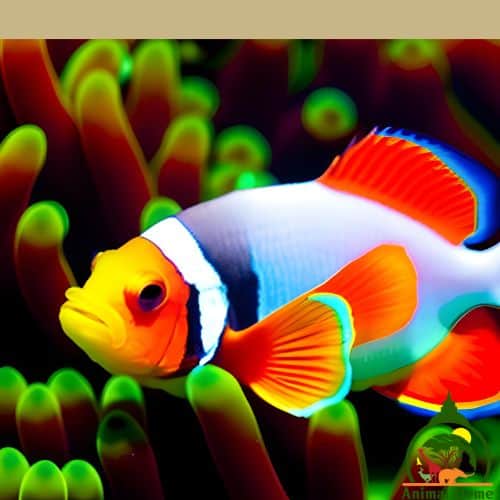
Clownfish became famous from the movie Finding Nemo. The best-known kinds are bright orange with three white bars.
Clownfish are sequential hermaphrodites. All clownfish develop into males first and can later become females.
Each group living in an anemone ranks by size. The largest fish is the breeding female, and the next largest is the breeding male.
If the female dies, the breeding male changes sex and becomes the new female. The largest of the remaining young males then becomes the new breeding male.
Wrasse
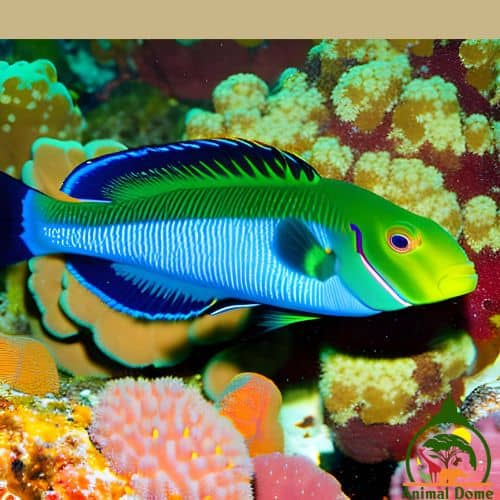
Wrasses usually change sex in the opposite direction from clownfish, from female to male.
In bluehead wrasses, when the dominant male of a group disappears, the largest female can begin changing into a male within days. She takes over his role and, in time, his bright colors.
Hermaphroditic Snails
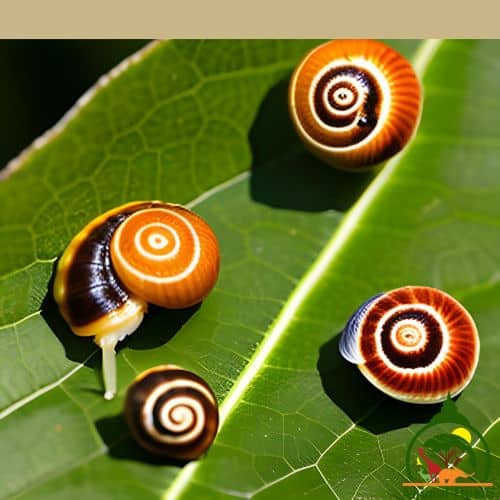
Snails show two different strategies. Many land snails are simultaneous hermaphrodites: each snail has both male and female organs at the same time, so when two snails mate, both can produce eggs.
Some sea snails, such as slipper snails, change sex instead. They start life as males and become females as they grow. Social conditions, such as the size of nearby snails, can affect when the change happens.
Southern Leopard Frog
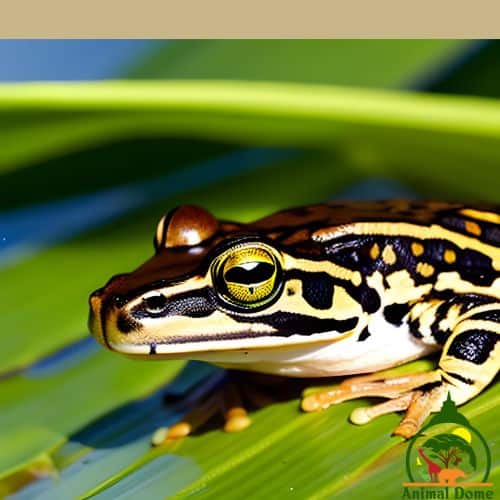
There is no good evidence that southern leopard frogs naturally change sex in response to population density or temperature.
What scientists have found is that chemicals can disrupt frog development. In lab studies, the herbicide atrazine turned some genetically male frogs into functional females. Studies of wild frogs have also found more females and more intersex frogs in ponds exposed to suburban and farm runoff.
Parrotfish
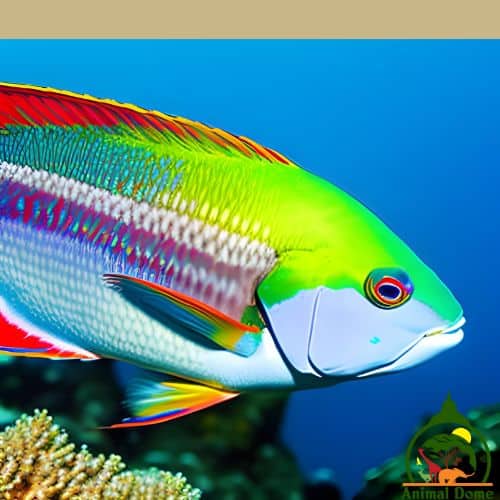
Parrotfish get their name from their colorful bodies and their beak-like teeth.
Many parrotfish are born female and can later become males, changing color as they do. Some species also have "primary males" that are born male and stay male. In stoplight parrotfish, sex changes are believed to happen when population densities are low.
Some parrotfish species also have an unusual sleeping habit. At night, they wrap themselves in a cocoon of mucus that may help hide their scent from predators.
Garter Snake
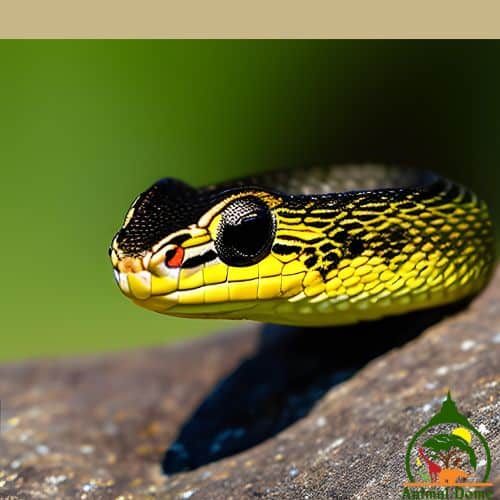
Garter snakes are common across much of North America. They are generally harmless to people. Some have a mild venom, but it isn't dangerous to humans.
Garter snakes don't change sex. But in red-sided garter snakes, some males briefly give off a female-like scent when they first come out of winter hibernation.
Other males then crowd around them in a "mating ball." Researchers think this helps the cold, sluggish male warm up faster from the bodies around him, and it may also protect him from predators.
Animals That Can Identify as Having Transgender Traits
In this section, we look at animal traits and behaviors that people sometimes call transgender-like. Animals don't "identify" as transgender. These traits are driven by genes, hormones and environment, not personal identity, and many scientists avoid the term for animals.
| Animal Species | Trait or Behavior |
|---|---|
| Spotted Hyenas | Females have a pseudo-penis and dominate males |
| Black-Headed Gulls | Same-sex pair bonding and parenting |
| Japanese Macaques | Females mounting other females |
| Chickens | Hens that develop rooster-like traits |
| Deer | Rare individuals with both male and female traits |
| Lizards (e.g. whiptail lizards) | All-female species that reproduce without males |
| Bonobos | Frequent same-sex sexual behavior |
| Penguins | Same-sex pair bonding and parenting |
| Elephants | Same-sex sexual behavior and long-term male bonds |
| Rats | Same-sex sexual behavior |
| Dolphins | Same-sex sexual behavior and male alliances |
| Bearded Dragons | Genetic males that develop as females at high temperatures |
| Banana Slugs | Hermaphrodites that act as both male and female |
| Cuttlefish | Males that disguise themselves as females |
| Blackfin Goby | Some gobies can change sex in both directions |
| Frogs | Sex reversal linked to pollution |
| Marsh Harrier | Some males keep female-like plumage |
| Sea Snails | Some change from male to female |
| Sea Bass | Black sea bass change from female to male |
Animals with transgender traits
Spotted Hyenas
Female spotted hyenas have an enlarged clitoris, called a pseudo-penis, that looks much like a male's penis. They use it to urinate, mate and even give birth. Females are also exposed to high levels of male hormones before birth.
Female hyenas are larger and more aggressive than males, and they rank above males in their clans. These traits come from hormones and social structure, not from any personal identity.
Black-Headed Gulls
Black-headed gulls have been observed forming same-sex pairs, and some of these pairs incubate eggs together. (Source) Same-sex pairing has been recorded in many bird species.
Japanese Macaques
Female Japanese macaques sometimes mount other females, a behavior usually seen in males. Researchers who studied this think it is often sexual. Male Japanese macaques also sometimes mount other males.
Chickens
Hens normally have only one working ovary, on the left side. If that ovary is damaged by disease, a hen can start developing rooster-like traits, such as a larger comb, male-style feathers and even crowing. She stops laying eggs, but she does not become a fertile rooster.
Deer
Rare deer have both male and female reproductive tissue or hormones. For example, some does grow antlers, usually because of hormone imbalances. (Source) These animals are usually infertile.
Whiptail Lizard
Several whiptail lizards in the southwestern United States, such as the New Mexico whiptail, are all-female species. These lizards are long and slender, with pointed snouts and long tails.
How do these lizards reproduce without males? They lay eggs that develop without fertilization, a process called parthenogenesis. Females still perform mating-like behavior with each other, which seems to boost egg production.
Bonobos
Bonobos are well known for frequent sexual behavior, including same-sex contact. Females often rub their genitals together, which seems to help them bond and ease tension in the group.
Penguins
Same-sex penguin pairs have been recorded in several species, especially in zoos. Some of these pairs have successfully raised chicks from eggs given to them by keepers.
Elephants
Elephants have been observed engaging in same-sex sexual behavior. Behaviors like these are seen across the animal kingdom and highlight the complex social dynamics that exist in elephant herds. Male elephants also form social bonds with each other that can last for years.
Rats
Male rats sometimes engage in same-sex mounting behavior. Male rats can also show parental behavior, like retrieving pups, under some conditions.
Dolphins
Dolphins are brilliant and social animals, and both male and female dolphins have been observed engaging in same-sex sexual behavior.
Male bottlenose dolphins often form close alliances with one or two other males that can last for many years.
Bearded Dragon
Bearded dragons have sex chromosomes, like mammals and birds. But the temperature of the egg can override them.
Researchers found that when eggs are incubated at high temperatures, some genetically male embryos develop as females. These sex-reversed females can lay eggs, and they have been found in the wild in Australia.
Scientists are studying whether warmer climates could make this more common.
Banana Slug
Banana slugs often grow 6 to 8 inches long, and many are yellow like a banana. They are among the largest slugs in the world.
Banana slugs are hermaphrodites, with both male and female organs.
When banana slugs mate, the two slugs curl around each other and exchange sperm, and their penises are located on their heads. They can self-fertilize if no mate is around. Occasionally, one slug chews off its partner's penis after mating.
Cuttlefish
Cuttlefish are not fish. They are mollusks related to squid and octopuses, with three hearts and excellent vision. There are more than 100 species of cuttlefish. They have eight arms, two tentacles and a short lifespan.
Male mourning cuttlefish have a sneaky courtship trick. A male swimming between a female and a rival male can show male courtship colors on the side facing the female and female-like colors on the side facing the rival.
The rival sees what looks like another female and doesn't attack, while the female sees a courting male.
Blackfin Goby
Gobies are small fish, and some species can change sex in both directions.
In some coral-dwelling gobies, a fish can change from female to male or back again depending on which sex it needs to be to form a breeding pair. Behavior changes along with sex.
Frog
There are more than 7,000 species of frogs. Frogs in cold climates hibernate in winter, but tropical frogs don't need to.
Studies have found more female and intersex frogs in suburban ponds, possibly because of estrogen-like chemicals in runoff. Lab studies have shown that the herbicide atrazine can turn genetically male frogs into females.
Marsh Harrier
Western marsh harriers are birds of prey. In some populations, a large share of adult males keep a female-like plumage instead of the usual gray male colors.
These males are still males. Researchers think the female-like look may reduce attacks from other males.
Sea Snails
Some sea snails, such as slipper snails, change sex as part of their life cycle. They start as males and become females later. In a stack of slipper snails, the larger sea snail is usually the one who changes to a female.
Many other sea snails are separate sexes all their lives, so not all sea snails can change sex.
Sea Bass
Black sea bass live along the U.S. Atlantic coast, near reefs, wrecks and oyster beds. According to NOAA, they are protogynous hermaphrodites: most start out as females and become males as they grow.
Social conditions in a group can affect when females change to males.
Conclusion
These traits and behaviors are not the same as human transgender identity. They are driven by genes, hormones, environment and social conditions, not personal identity. Still, they show how varied sex and reproduction are in the animal kingdom.
Sources
- Clown Anemonefish, Florida Museum of Natural History
- Stoplight Parrotfish, Florida Museum of Natural History
- Black Sea Bass, NOAA Fisheries


