12 Animals That Hop To Move (With Pictures)
Contents
To support our website, please check out some of our merch here!
Animals get around in many ways. Some swim, some walk on four legs, and some hop.
What are the animals that hop to move? Below are twelve animals that hop or jump to get from place to place:
- Kangaroos
- Rabbits
- Crickets
- Grasshoppers
- Frogs
- Fleas
- Kangaroo Rats
- Froghoppers
- Jumping Spiders
- Klipspringers
- Bharals
- Hares
Below Are The 12 Animals That Hop To Move
Each of these animals relies on powerful jumps, whether to travel, find food or escape predators. Here is a closer look at each one.
Kangaroos
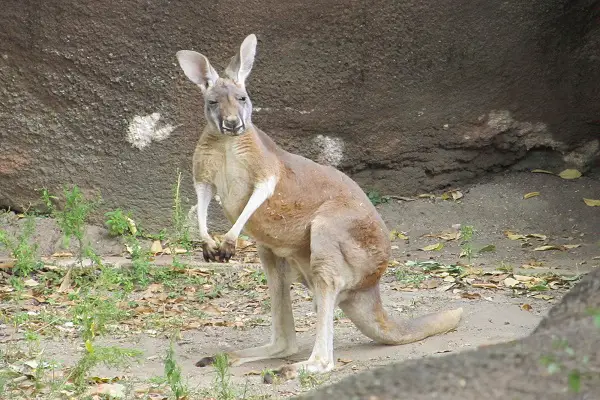
Kangaroos are the best-known hoppers. Their long, strong hind legs and big feet let them bound along at speed, and they can deliver a powerful kick. Kangaroos love to fight too, mostly males sparring with each other.
Kangaroos are herbivores that live in Australia. They are most active from dusk to dawn, when they move around to feed, and they rest in the shade during the heat of the day.
There are several species of kangaroos. The red kangaroo is the largest, and it can cover many feet in a single bound.
Rabbits
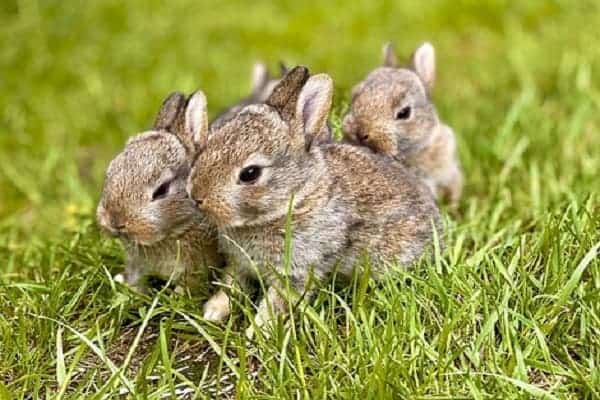
Rabbits hop on their strong back legs. Many species live in the wild, and domestic rabbits are popular pets.
Pet rabbits can jump surprisingly high, so outdoor runs need tall, secure sides and a roof to keep rabbits in and predators out.
Rabbits also show emotions through jumping. A happy rabbit may leap into the air and twist its body, a move owners call a "binky." Rabbits thump their back feet to warn others of danger.
Crickets
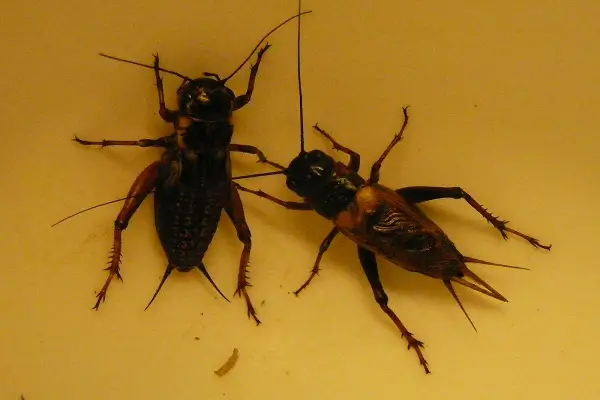
Crickets are famous for their chirping, and they also hop to get around. Only males chirp; they rub their wings together to make the sound.
Crickets jump with their large back legs, much like grasshoppers. Some species can fly, but many mostly hop or crawl.
Some crickets feed on garden plants and seedlings, and large numbers can damage crops.
Grasshoppers
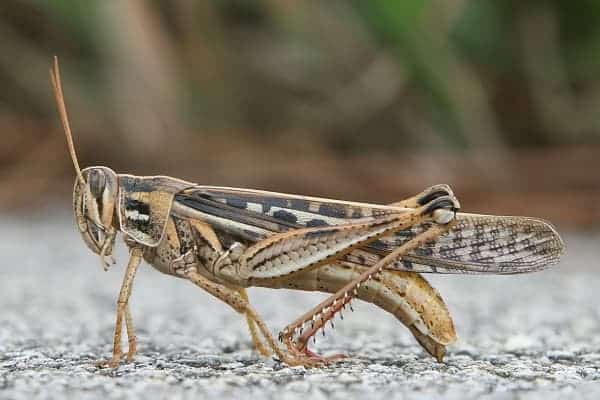
Grasshoppers are the villains in the Pixar movie A Bug's Life. Most adult grasshoppers have wings and can fly, but they usually hop to get around.
A grasshopper jumps with its big back legs. It slowly bends them to store energy, then releases it all at once, like a tiny catapult. A jump can carry it many times its own body length, and it often uses the jump to launch into flight.
Frogs
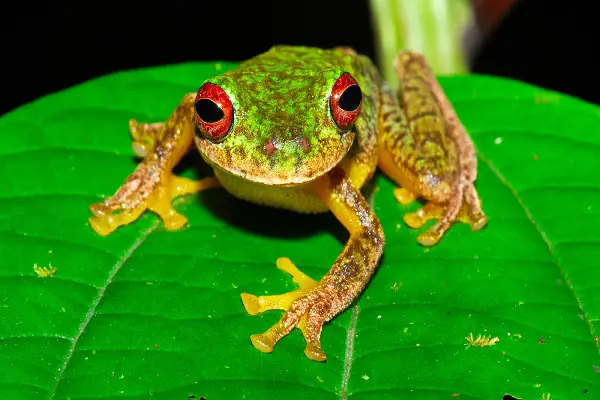
Frogs live on every continent except Antarctica, in ponds, forests, gardens and farms. All frogs can hop, but some are much better jumpers than others.
Frogs jump mainly to escape predators. Long-legged frogs make the longest leaps, while short-legged frogs and toads tend to walk, crawl or take short hops.
Fleas
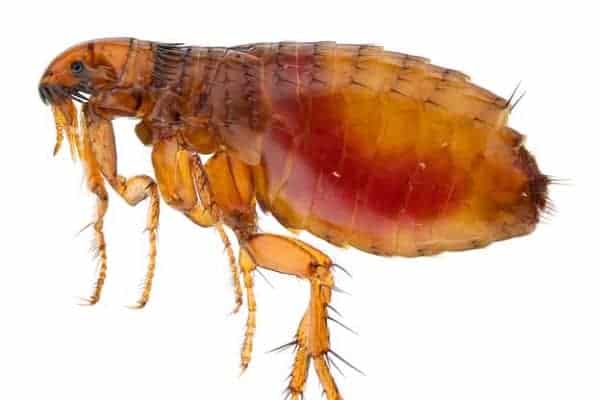
Fleas are tiny but extraordinary jumpers. They can leap many times their own body length, which lets them jump onto a passing pet. They store energy in their legs and release it almost instantly.
Fleas are parasites that live on pets and other animals. Once a flea population grows, it is hard to get rid of. Ask your vet about flea prevention that is safe for your pet's species and size.
Kangaroo Rats
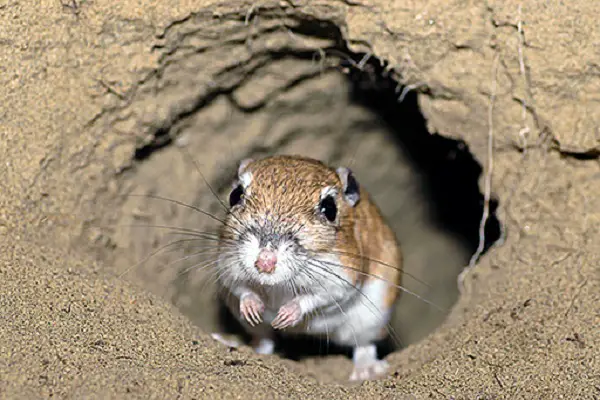
Kangaroo rats look a bit like rats, but they move differently. They hop on their long back legs, like tiny kangaroos.
They have fur-lined cheek pouches, which they use for carrying seeds. Kangaroo rats can make fast, sudden leaps to escape predators such as snakes and owls.
Froghoppers
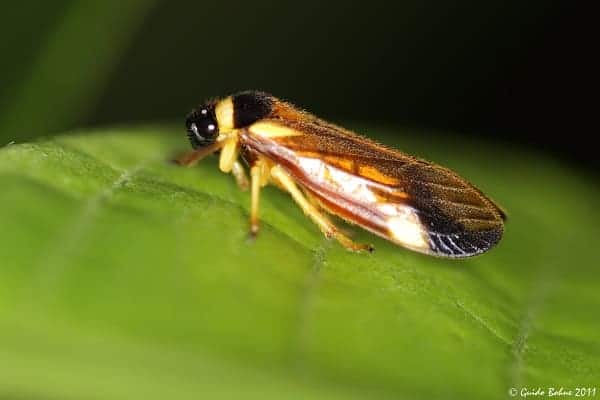
Froghoppers are not frogs. They are small, plant-sucking insects, and they get their name because they look a bit like tiny frogs.
Froghoppers are some of the best jumpers in the animal world. Research has found they can jump about 100 times their own body length, launching themselves like a catapult.
Jumping Spiders
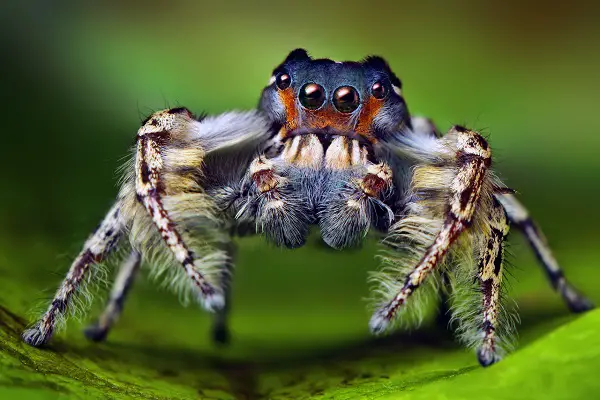
Jumping spiders can look scary, but they are not dangerous to people. They have fangs and venom for their insect prey, and they usually run away from humans.
Instead of spinning webs to catch prey, jumping spiders stalk and pounce. They can jump many times their own body length, and they attach a silk safety line before they leap.
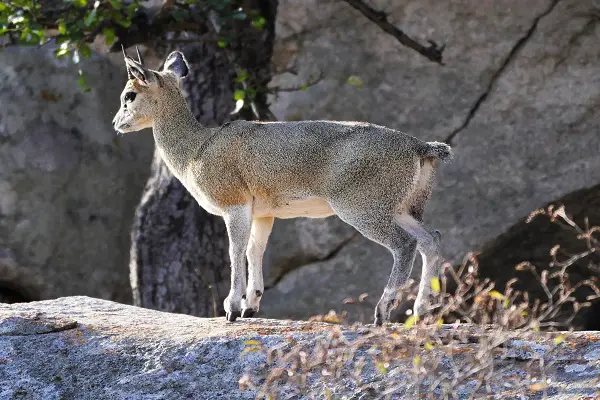
Klipspringers
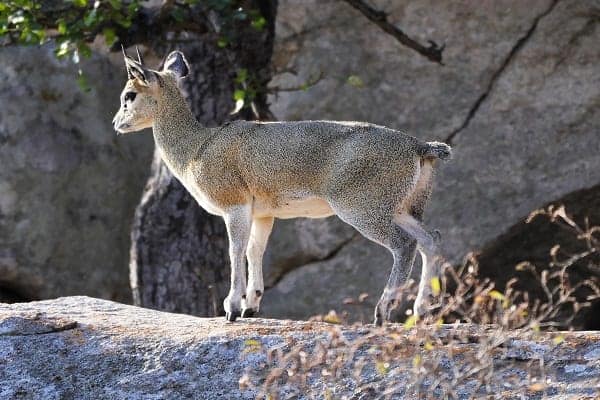
Klipspringers are small African antelopes, so they belong to the same family as cattle, goats and sheep. Their name means "rock jumper."
Klipspringers walk on the tips of their tiny hooves, which grip rock almost like suction cups.
Claims that they jump 25 feet straight up are probably exaggerated. The San Diego Zoo says 10 to 12 feet is more accurate, and they can land on a rock the size of a silver dollar.
Bharals
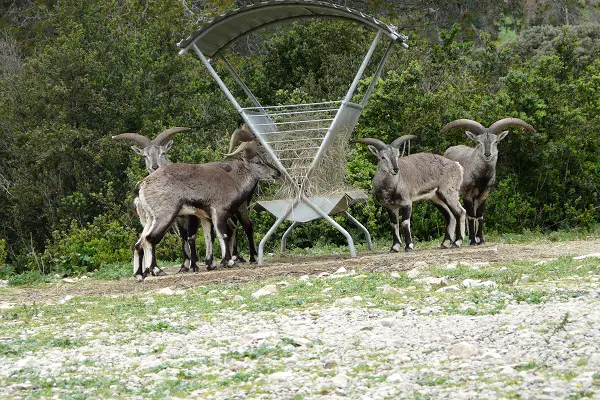
Bharals live in the Himalayas and are agile jumpers on cliffs and steep slopes. They are also called blue sheep, although they are more closely related to goats.
Hares
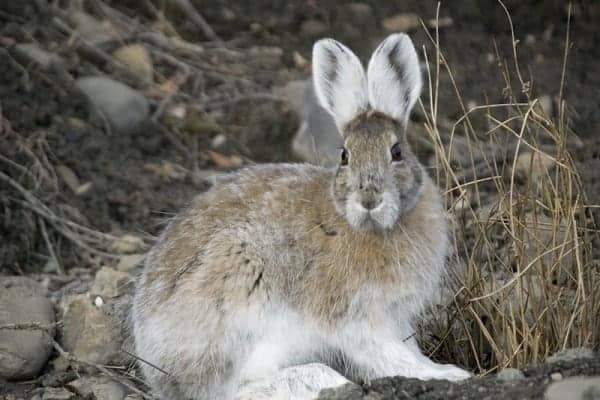
Hares look like rabbits, but they are different species. Hares are usually larger, with longer ears and legs.
Hares are not kept as pets. Most live alone rather than in groups, like leopards. Unlike rabbits, which are born blind and hairless, hares are born with fur and open eyes.
Hares are fast runners and strong jumpers. Their speed and sudden changes of direction help them escape predators.
What Animal Is The Highest Jumper?
All the animals above hop or jump to move. But which are the most impressive jumpers?
Some of the best jumpers are:
- Froghoppers
- Fleas
- Klipspringers
- Hares
- Kangaroos
For their size, froghoppers are champions. They can jump about 100 times their body length.
Fleas are close behind. They launch themselves very quickly and very far for such tiny insects.
Klipspringers are the mammal on this list best known for leaping on rocks. They can jump about 10 to 12 feet up and land on a tiny rock surface.
Hares are fast runners and good jumpers. That makes them hard for predators to catch.
Kangaroos are the most famous hoppers. Hopping lets them travel long distances efficiently, even though smaller animals beat them when jumps are measured against body size.
Final Verdict
Animals move in many ways. The animals above may not be as fast as cheetahs, but they are impressive jumpers for their size.
Many animals can jump, but not all of them use jumping or hopping as their main way to get around. These 12 animals are worth knowing because of how they move.
Sources
- Klipspringer, San Diego Zoo Wildlife Alliance