
11 Skittish Animals That Get Scared Easily
Contents
- These Are The Animals That Get Scared Easily
- 1. Cats
- 2. Dogs
- 3. Rabbits
- 4. Red Pandas
- 5. Pandas
- 6. Snakes
- 7. Deer
- 8. Monkeys
- 9. Pigeons
- 10. Sheep
- 11. Ducks
- Why Do Animals Get Scared?
- Why Are Animals So Scared Of Humans?
- Do Animals Get Scared When We Pick Them Up?
- Why Are Wild Animals More Scared Of Humans Than Domesticated Animals?
- Final Words
- Sources
Many animals get scared easily. Fear keeps them alive: an animal that startles and runs from danger is more likely to survive.
Even animals that look tough can be skittish, especially around people.
So, which animals get scared the most?
The top 11 animals that get scared easily are:
- Cats
- Dogs
- Rabbits
- Red Pandas
- Pandas
- Snakes
- Deer
- Monkeys
- Pigeons
- Sheep
- Ducks
These are some of the most skittish animals you're likely to meet.
These Are The Animals That Get Scared Easily
Many animals get scared easily, and we only feature the popular ones.
Most easily frightened animals are prey species or small animals, which makes sense: being alert is how they avoid being eaten.
Let's look at each one.
1. Cats
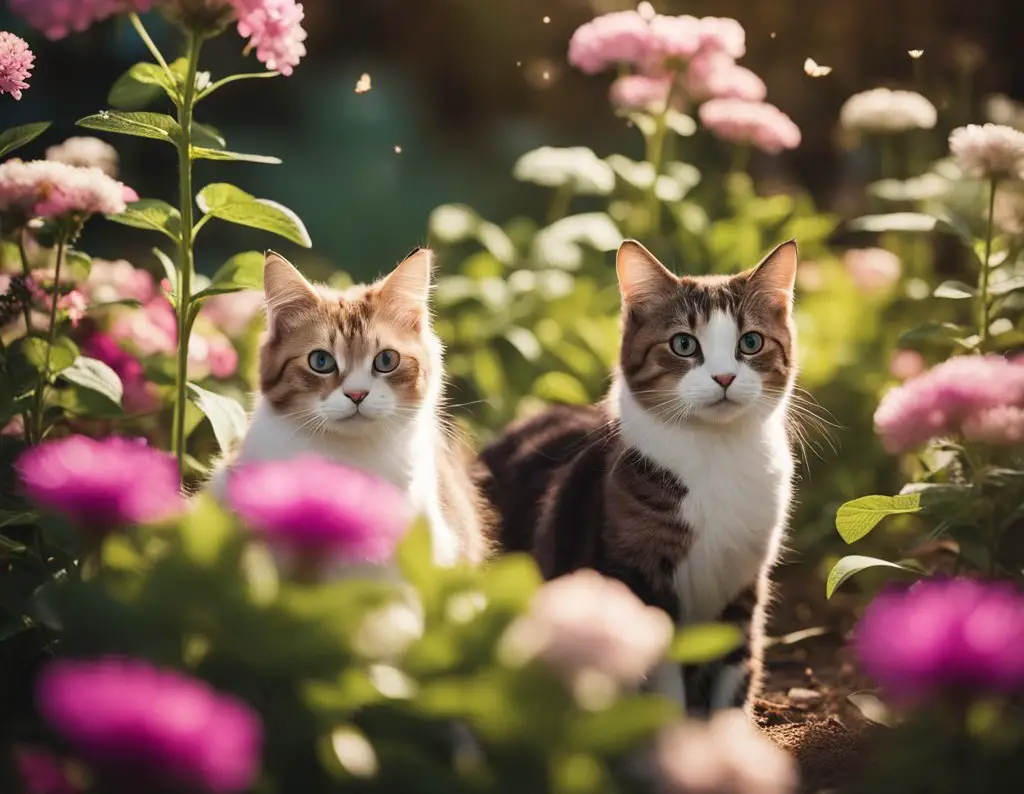
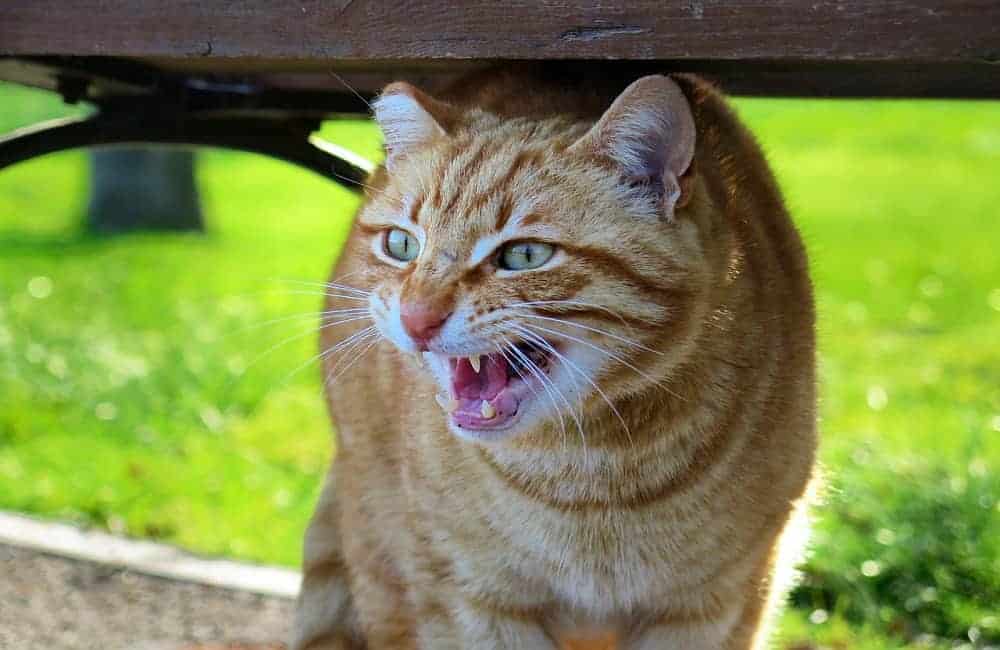
Cats are both predators and prey, so they stay alert. Many enjoy company but also like time alone.
New cats often hide for the first days or weeks in a new home. That's normal; everything smells and sounds unfamiliar.
Once your cat feels safe, it will start exploring and playing. Cats still startle easily at sudden movements and loud noises, so move calmly around a nervous cat.
If your new cat is shy, be patient. Give it a quiet room with food, water, a litter box and hiding spots, and let it come to you. Treats and gentle play help build trust.
Related Article: Why Do Cats Like To Be Alone?
2. Dogs
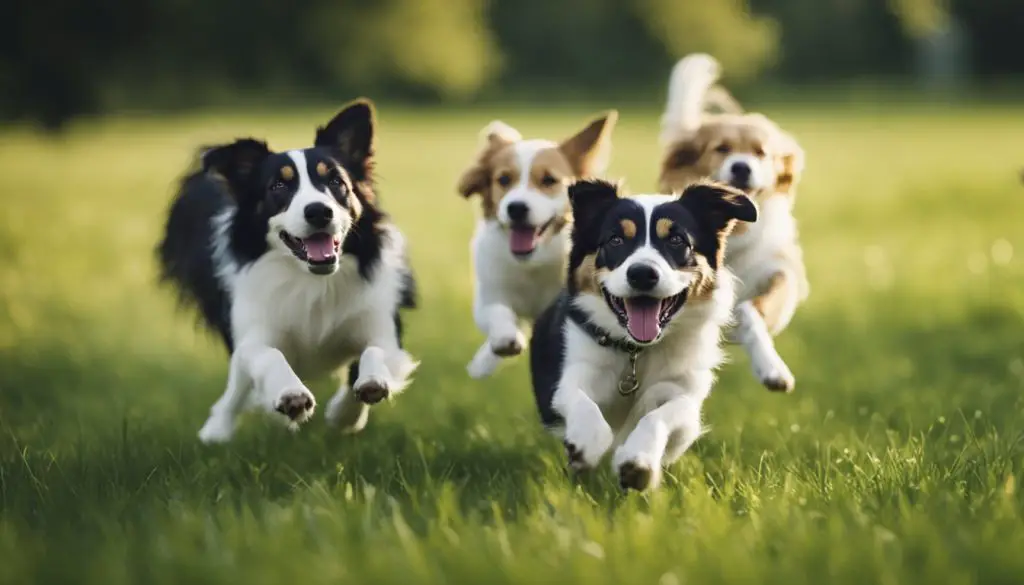
Dogs can get scared easily too, especially in a new home. Rescue dogs may need weeks or months to settle in.
Common fears include loud noises like fireworks and thunderstorms, strangers and unfamiliar places. Dogs that weren't socialized as puppies, or that had bad experiences, are often more fearful.
Be patient with a scared dog. Keep its routine predictable, reward calm behavior with treats, and never punish fear.
If you're adopting from a shelter, ask what is known about the dog's history and behavior. For severe fear or anxiety, talk to your vet or a qualified behavior professional.
3. Rabbits
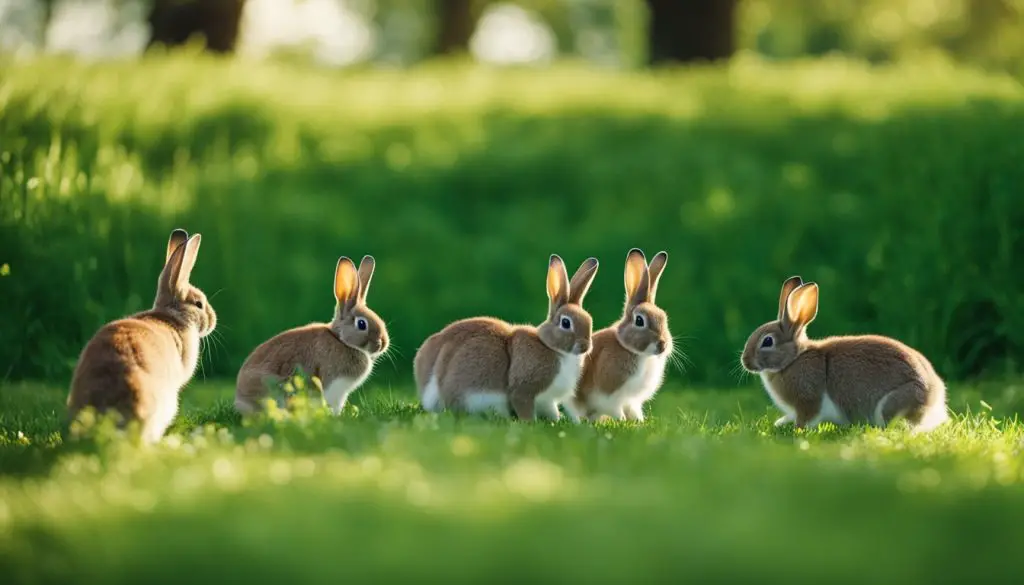
Rabbits are prey animals, so they're always on alert. Many predators hunt them, and running away fast is their main defense.
Wild rabbits are understandably afraid of people, since to a rabbit we look like a large predator.
Pet rabbits can become relaxed and confident, but they still startle easily. Many dislike being picked up because being lifted feels like being caught by a predator.
To help a pet rabbit feel safe, get down to its level, let it approach you, and handle it gently and only when needed. Always support its back and hind legs.
4. Red Pandas
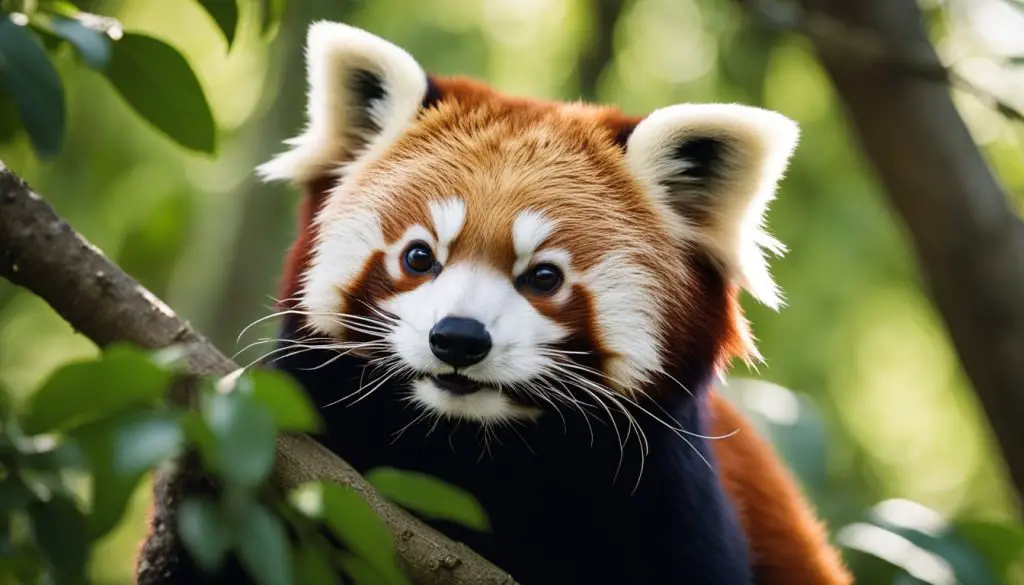
Red pandas are wild animals, not domesticated pets. The Smithsonian's National Zoo says they are mostly active at dawn and dusk and live alone outside the breeding season.
They live in high mountain forests in the Himalayas and nearby ranges, including parts of Nepal, India, Bhutan, Myanmar and China.
Red pandas are skilled climbers. They use trees for shelter and to escape predators, which helps explain their reputation for being shy.
5. Pandas
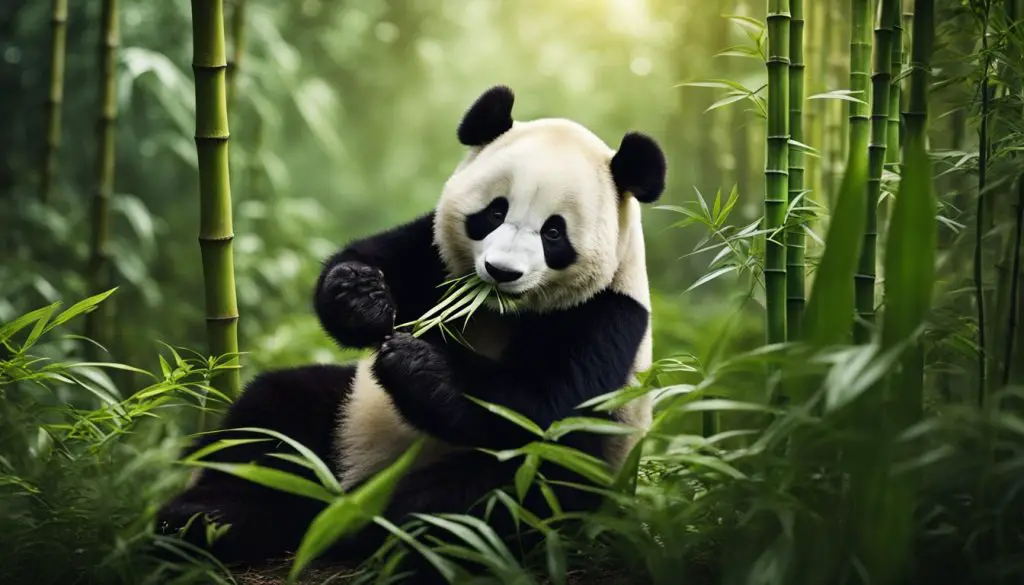
Giant pandas look cuddly, but they are wild bears with powerful jaws. They are not suitable pets.
The Smithsonian notes that adult pandas mostly live alone and avoid each other, and that their main threat is habitat loss. In the wild, they tend to avoid people.
A mother panda with a cub can be very protective, which is normal for a bear.
6. Snakes
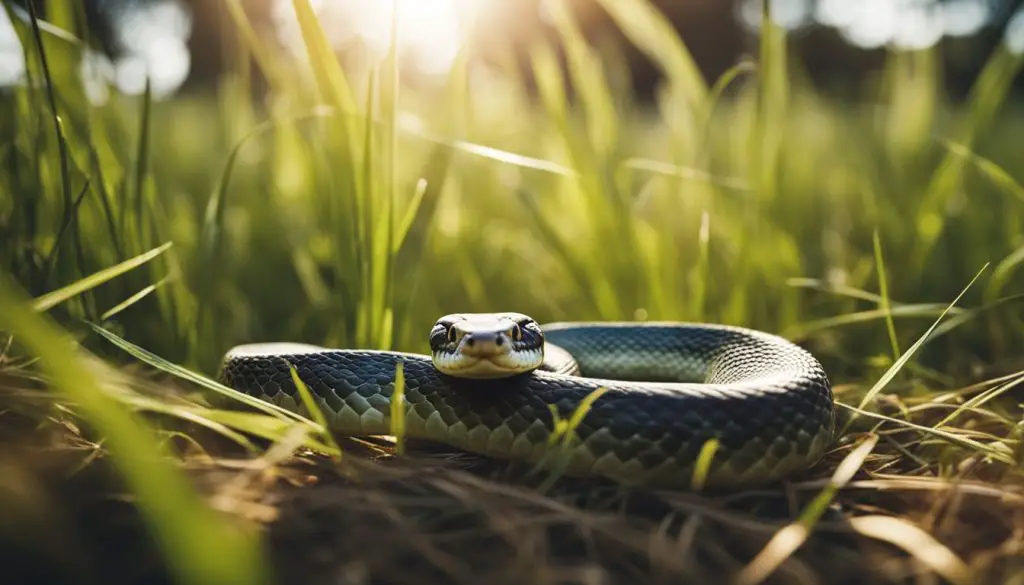
Snakes have no eyelids, so their eyes are always open. Their vision varies by species, and many rely more on smell and vibration.
A snake flicks its tongue to collect scent particles and picks up vibrations through the ground. Some, like pit vipers, can also sense heat.
Most snakes would rather flee than fight. They usually bite only when they're cornered, stepped on or handled, so give any snake plenty of space.
What looks like aggression in a snake is almost always defensive. If you live in an area with venomous snakes, learn which ones are local and get emergency care right away for any bite.
7. Deer
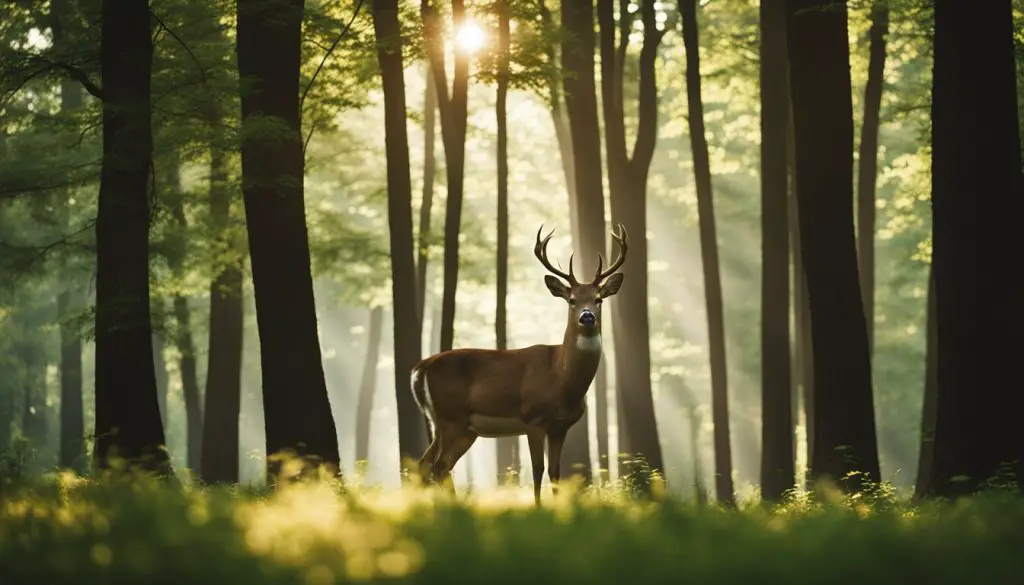
Like other prey animals, deer are easily startled. Wolves, coyotes, bears and big cats all hunt them.
Deer also fear people, who have hunted them for thousands of years.
When a deer senses danger, it bolts. Deer are fast and agile runners, and their jumpy nature helps them escape predators.
That skittishness also makes deer dangerous near roads. When you see one deer, slow down, because others often follow.
8. Monkeys
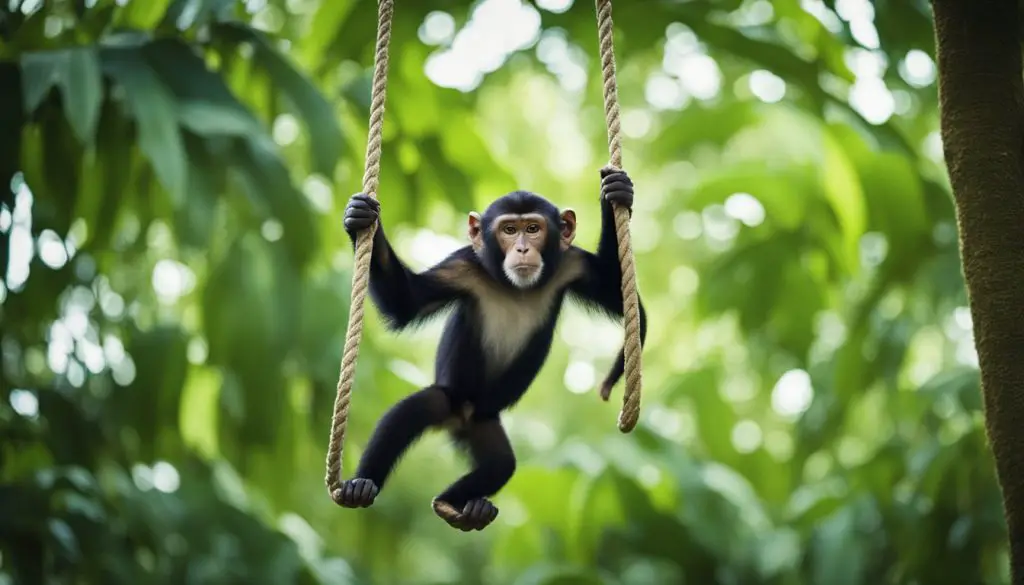
Monkeys are quick to spot and react to snakes. Snakes have preyed on primates for millions of years, and some scientists think this helped shape how primates see and react to danger.
Monkeys also fear predators such as big cats and eagles, and many are wary of people.
Monkeys are wild animals and don't make good pets. Even ones raised around people can bite and become aggressive, especially as they mature.
9. Pigeons
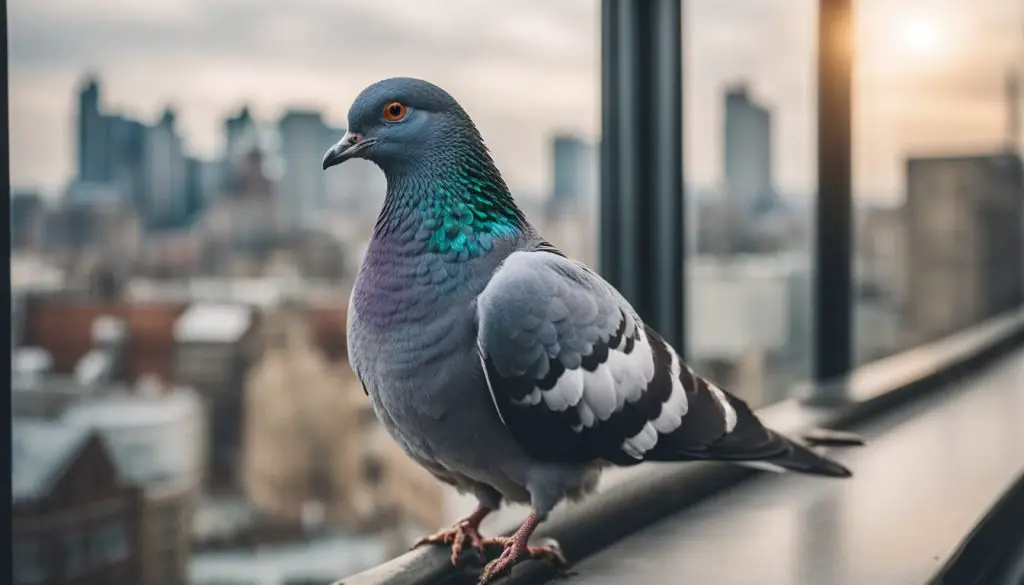
Pigeons are everywhere in cities and seem used to people. Still, they take off quickly at sudden movements or noises.
Pigeons can make good pets, but get them from a breeder or a pigeon rescue. Wild city pigeons can carry diseases and parasites, so avoid handling them.
10. Sheep
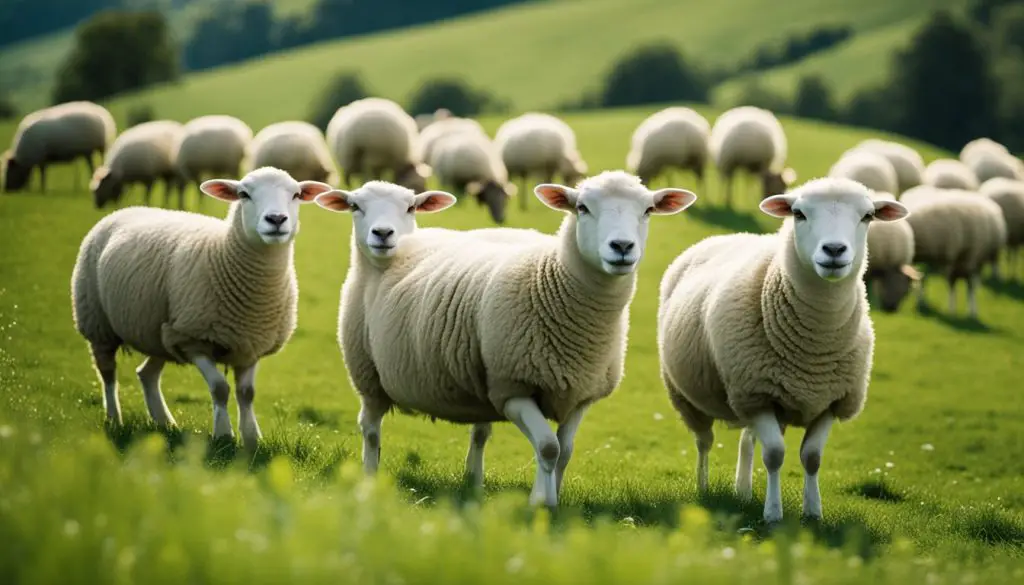
Sheep are flock animals and get scared easily. They can be startled by sudden movements, loud noises, predators and unfamiliar people.
Sheep usually stay calm with a familiar shepherd but are wary of strangers. Staying together in a flock is their main defense, so a sheep separated from the group becomes very stressed.
11. Ducks
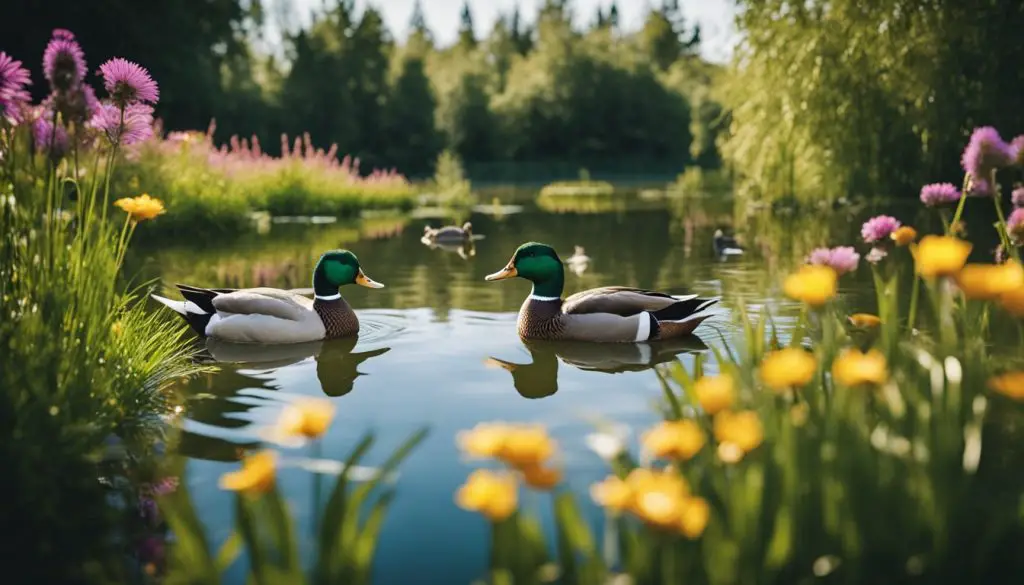
Have you ever seen ducks crossing the road? They look nervous because they are exposed to cars, dogs and people.
A mother duck with ducklings may hiss or charge to protect her young. Give ducks plenty of space and wait for them to cross rather than trying to herd them.
Why Do Animals Get Scared?
Fear is a survival response. It helps animals avoid danger.
Why do animals get scared? Animals get scared when they sense a threat, such as a predator, a person or a sudden noise. Fear makes them run, hide or defend themselves. Prey animals like deer and rabbits spend more time on alert than predators**.**
Prey animals have the most to lose, so they are usually the most easily frightened.
Even top predators like lions, tigers and hyenas can be wary. Many avoid people, since humans have hunted them for a very long time.
Why Are Animals So Scared Of Humans?
Wild animals that aren't used to people are usually afraid of them. There are many reasons why animals are scared of humans.
Many wild animals have learned to fear people because humans hunt them and disturb their habitats. A frightened wild animal may also attack if a person gets too close, so always keep your distance.
That fear helps wild animals survive. Studies have found that some animals react more strongly to human voices than to the sounds of their natural predators.
Deer and other hunted species often flee as soon as they notice people.
Keeping a respectful distance from wild animals is safer for you and better for them.
Do Animals Get Scared When We Pick Them Up?
This question mostly applies to pets. Many dogs and cats enjoy being picked up once they're used to it, but not all do.
Pets that are handled gently from a young age are more likely to accept being picked up. Wild animals will be frightened and may bite or scratch, so never pick up a wild animal. If you find an injured one, call a wildlife rehabilitator.
Even pets have limits. Watch for signs of stress, like struggling, flattened ears or a tucked tail, and put them down gently.
Why Are Wild Animals More Scared Of Humans Than Domesticated Animals?
Almost all wild animals are wary of people, especially those that rarely see us. Even large animals that could easily hurt a person usually avoid us.
Why are wild animals more scared of humans than domesticated animals? Domestic animals have been bred for thousands of years to live with people, and they see us every day. Wild animals have neither the breeding nor the daily contact, so they treat us as a potential threat.
Respecting wild animals' space protects both them and us.
Final Words
Animals have different personalities and fears. Some startle at everything, while others are bold.
Respect their space. If an animal doesn't want to be touched, leave it alone, and never approach wild animals. If you want to learn more about animals, please check our other articles on the main menu at the top.
Sources
- Red Panda, Smithsonian's National Zoo and Conservation Biology Institute
- Giant Panda, Smithsonian's National Zoo and Conservation Biology Institute


