
Why Don’t Animals Have To Brush Their Teeth? 5 Reasons Why!
Contents
- Reasons Why Animals Don’t Need To Brush Their Teeth
- Animals Have Different Diets
- Animals Continually Grow New Teeth
- Animals Have Short Lifespans
- Animals Have A Different Kind Of Saliva
- Animals Clean Their Teeth In Nature’s Way
- What Animals Clean Their Teeth?
- Cows
- Big Cats
- Elephants
- Crocodiles
- Wolves
- Do Your Pets Need You To Brush Their Teeth?
- What Are The Pets That You Need To Brush Their Teeth?
- Why Do Animals Have Straight Teeth?
- Final Thoughts
- Sources
Dentists tell people to brush twice a day to prevent cavities and gum disease. So how do wild animals get by without a toothbrush?
Do animals need to brush their teeth? Wild animals don't brush, but that doesn't mean their teeth stay perfect. Their diets are low in sugar, many species replace or regrow teeth, and chewing tough food scrapes teeth clean. Wild animals still get worn, broken and diseased teeth, and pets need our help with dental care.
Below are the main reasons wild animals manage without brushing, plus what it means for your pets.
Reasons Why Animals Don’t Need To Brush Their Teeth
Animals Have Different Diets
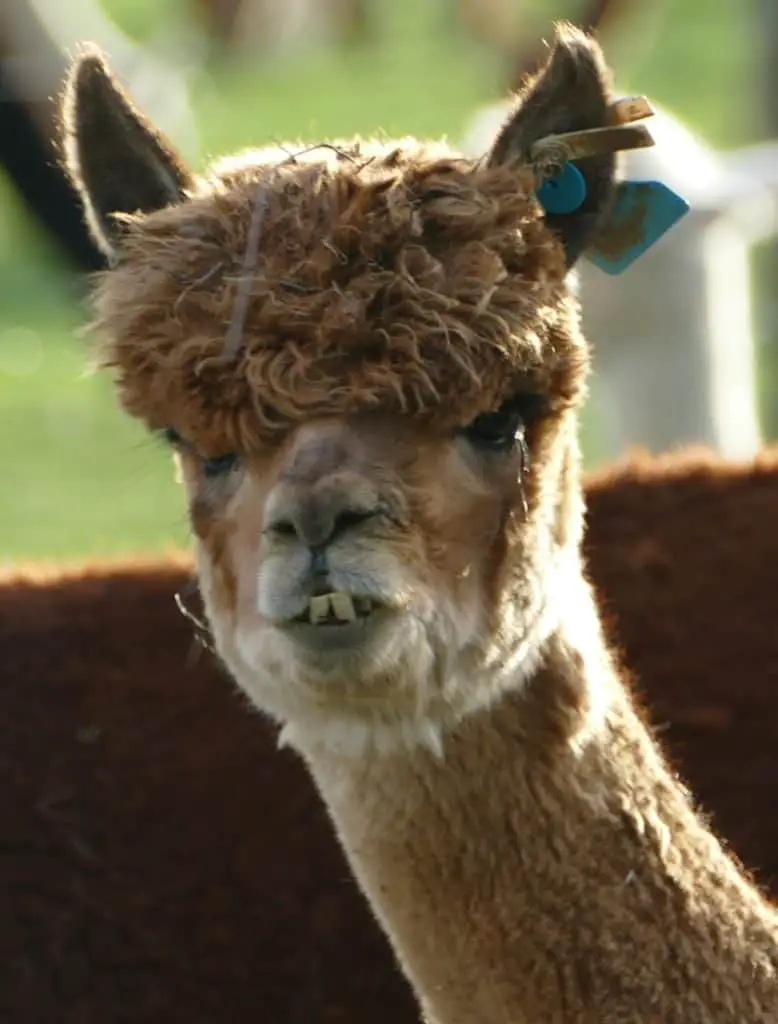
Cavities form when mouth bacteria feed on sugars and starches and make acid that eats into enamel. Wild animals rarely eat refined sugar or the sticky, starchy foods many people eat every day.
A diet of grass, leaves, raw meat or insects gives cavity-causing bacteria much less to work with. That's one big reason cavities are uncommon in wild animals.
Pets eat very differently from wild animals, though. We'll come back to that below.
Animals Continually Grow New Teeth
Some animals replace or regrow their teeth throughout life, so wear and damage matter less.
Sharks are the best-known example. Their teeth sit in rows, and new teeth move forward to replace ones that fall out or break. A shark can go through thousands of teeth in its lifetime.
Shark teeth come in many shapes. Some are thin and needle-like for gripping fish, while others are broad, serrated triangles for cutting.
Rodents have front teeth (incisors) that never stop growing. Gnawing wears them down at the same rate they grow. That's why pet rodents and rabbits need things to chew; overgrown teeth are a common health problem.
Crocodiles also replace their teeth again and again, so a lost or broken tooth is soon replaced. They also have some of the most powerful bites in the animal world.
Check the reason why crocodiles are afraid of the hippos!
Animals Have Short Lifespans
Many wild animals have shorter lives than people, so their teeth don't need to last as long. But tooth wear still matters: when teeth wear out, an animal may struggle to eat.
Elephants are a good example. The Smithsonian's National Zoo explains that Asian elephants have six sets of grinding teeth that move forward like a conveyor belt and eventually wear out.
Here are typical lifespans of some well-known animals. They vary by species, care and whether the animal lives in the wild or in captivity.
- Dogs: about 10-13 years
- Cats: about 12-18 years
- Tigers: 10-15 years
- Horses: 25-30 years
- Lions: 10-14 years
- Pigs: 15-20 years
- Parakeets: 5-10 years or more
Even short-lived animals feel the effects of bad teeth. A predator with broken teeth or a grazer with worn molars can lose condition fast.
Animals Have A Different Kind Of Saliva
Saliva helps protect teeth by washing away food and neutralizing acid. Dog saliva tends to be slightly more alkaline than human saliva, which may be one reason cavities are rare in dogs.
That doesn't protect dogs from gum disease, though. Plaque and tartar still build up and cause periodontal disease, which is very common in pets.
Animal saliva is also not a disinfectant. Licking can irritate wounds and carry bacteria into them, so vets often use a cone or bandage to stop pets from licking a wound.
Animals Clean Their Teeth In Nature’s Way
Grazing animals like cows and horses chew tough, fibrous plants for hours a day. That chewing scrapes food off the teeth and wears them down evenly.
Their teeth are built for this. Many grazers have teeth that keep erupting over the years to make up for constant wear.
Most wild animals keep their teeth working through diet and chewing. Pets, which eat softer diets and live longer under our care, need extra help.
What Animals Clean Their Teeth?
No animal brushes its teeth the way people do. But many keep their teeth working without a toothbrush.
Here are a few examples.
Cows
Cows chew their cud for many hours a day. Constant chewing of rough plants helps scrub the surfaces of the teeth.
Like other grazers, their teeth also wear down over time, which is why vets sometimes estimate a cow's age by its teeth.
Big Cats
Lions, tigers and other big cats tear and crunch through meat, skin and bone. The scraping action helps keep their teeth clean.
That doesn't make them immune to dental problems. Big cats in the wild often have broken canines, and zoo vets treat dental disease in big cats regularly.
Elephants
Elephants have tusks and huge grinding molars. Tusks are modified upper incisors that grow throughout an elephant's life.
Their molars grind tough plants and wear down over time. Each worn tooth is pushed forward and replaced by a larger one behind it, six sets in all.
Crocodiles
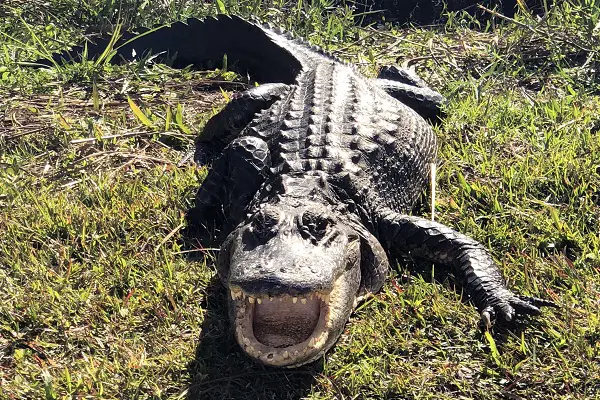
You may have heard that small birds hop into crocodiles' mouths to pick their teeth clean. It's a popular story, but there is no good evidence that it actually happens.
Crocodiles don't need a dental cleaning crew. They replace their teeth throughout life, so worn or broken teeth are regularly swapped out for new ones.
Wolves
Wolves keep their teeth working by gnawing on hide and bone. Wild dogs and other types of canines clean their teeth when they gnaw on the bones of the animals they killed, though they still crack and wear teeth over time.
Pet dogs are a different story. They need regular dental care from their owners.
Do Your Pets Need You To Brush Their Teeth?
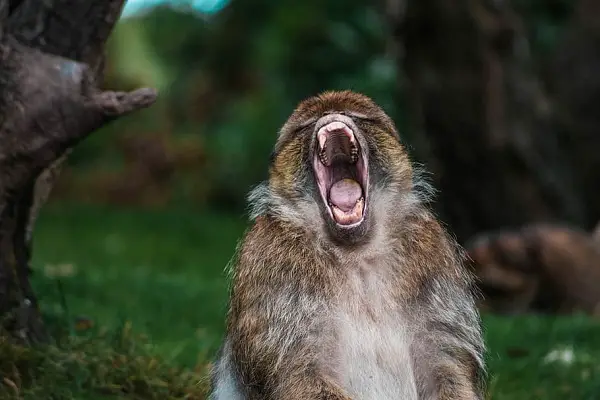
Yes! Your dog or cat needs you to look after its teeth.
The Cornell Feline Health Center says between 50% and 90% of cats older than four have some form of dental disease. It also says daily toothbrushing can prevent most forms of it.
Dental disease is about plaque, not processed food alone. Even pets fed fresh or home-cooked diets build up plaque and tartar.
Brush with a toothbrush and a toothpaste made for pets. Never use human toothpaste; Cornell warns it is not safe for cats and can be toxic.
Don't give cooked bones, which can splinter and cause choking or gut injuries. Hard chews can also break teeth, so ask your vet which dental chews are safe.
What Are The Pets That You Need To Brush Their Teeth?
Dogs and cats are the pets that most need help with dental care. Many owners only notice a problem when their pet has bad breath, red gums or trouble eating.
Dogs and cats can develop painful dental disease if you don't check their teeth, brush them, and feed them the right food.
A complete and balanced diet supports overall health, but brushing is what removes plaque. Dental diets and treats can help as extras, not replacements.
Take your pets for regular vet checkups. Your vet may recommend a professional dental cleaning under anesthesia to remove tartar below the gumline.
Pet rabbits, guinea pigs and other rodents need plenty of hay and safe things to chew so their ever-growing teeth stay the right length.
Why Do Animals Have Straight Teeth?
Wild animals' teeth line up because their jaws and teeth evolved together for the way they eat. An animal with badly misaligned teeth would struggle to eat and might not survive long.
Crooked teeth are more common in some pets because of breeding. Flat-faced dogs and cats, such as Pugs, Bulldogs and Persians, often have crowded or misaligned teeth because their jaws are short. It isn't caused by eating processed food.
Final Thoughts
Wild animals don't brush their teeth, but they don't have perfect teeth either. Low-sugar diets, constant chewing and tooth replacement help them manage.
Pets need more help. Brush your dog's or cat's teeth with pet toothpaste, and see your vet for regular dental checkups.
Sources
- Feline Dental Disease, Cornell Feline Health Center
- Asian Elephant, Smithsonian's National Zoo and Conservation Biology Institute


