
Why Do Ducks Follow You? This Is Why!
Contents
Many people keep ducks as pets. Ducks are social, can become very tame and often do funny things, like following their owners around.
Some ducks follow their owners everywhere, which can surprise new keepers. Why do they do it?
Ducks follow people mainly because of imprinting and habit. A duckling that bonds with a person soon after hatching treats that person like a parent. Adult ducks also learn to follow people who feed them, which is why park ducks often trail anyone carrying bread.
Below, we explain imprinting, why ducks follow each other and what to do if a duckling follows you.
Why Do Ducks Follow Humans?
Ducklings learn who their parent is through imprinting. This is a fast kind of learning that happens during a short window soon after hatching.
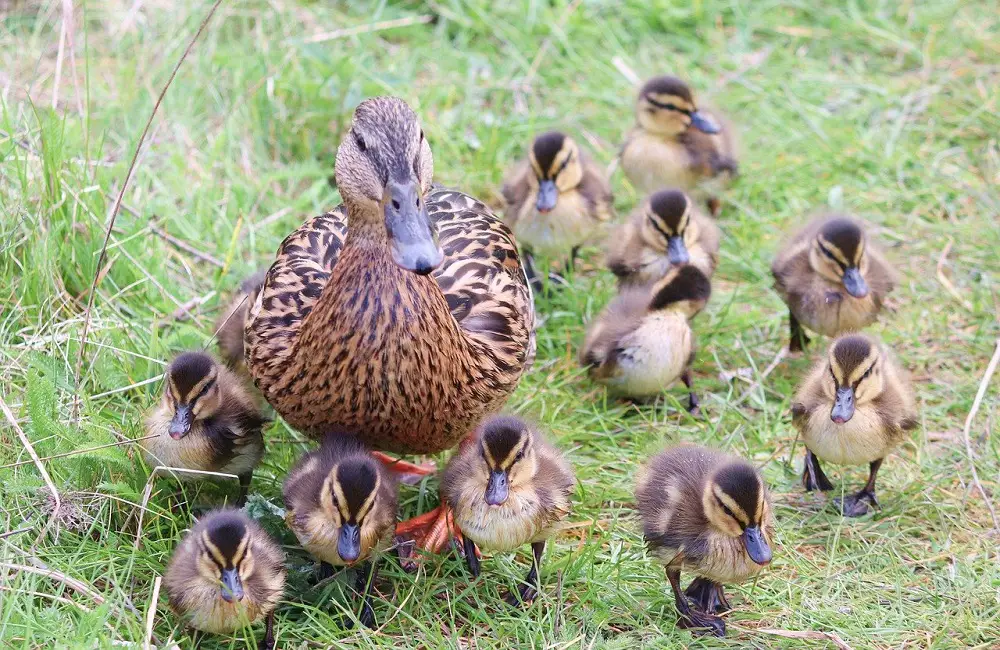
In the wild, the duckling imprints on its mother and follows her for food, warmth and safety.
If a duckling sees and bonds with a person during that window, it may imprint on the person instead. It will then follow that person the way it would follow its mother.
Ducks that imprint on people can stay strongly attached to humans. This can make it harder for them to live normally with other ducks later.
Wild ducks that follow people for handouts are another story. Bread has little nutritional value for ducks, and they do better on natural foods like aquatic plants, seeds and insects.
Why Do Ducks Follow Each Other?
Ducklings follow their mother, and adult ducks stay together in flocks.
Being in a group makes it easier to spot predators. More eyes mean an earlier warning, and each duck is less likely to be the one caught.
Do Baby Ducks Follow The First Thing They See?
Often, yes. Newly hatched ducklings tend to follow the first moving object they see during the imprinting window, which is normally their mother.
In experiments, ducklings and goslings have imprinted on people and even on objects.
Why Do Ducklings Follow Their Mother?
Ducklings follow their mother because of imprinting. Staying close to her helps them find food and water, keep warm and avoid predators.
What Should You Do If Ducklings Imprint On You?
If a wild duckling starts following you:
- Don’t pick it up or take it home. The mother is often close by, even if you can’t see her.
- Step away quietly and watch from a distance to see if the mother returns.
- If no parent returns, or the duckling is hurt, call your state wildlife agency or a licensed wildlife rehabilitator.
In many places, such as Idaho, it is illegal to take most wild animals home to raise. If you have pet ducklings, keep them with other ducks so they grow up socialized with their own kind.
Final Verdict
Ducks follow people mainly because of imprinting and learned habits, such as expecting food. A duckling that imprints on a person treats them like its mother.
If a wild duckling follows you, leave it be and let wildlife experts help if it truly needs it.
Sources
- Look, don’t touch: rescuing baby wildlife can lead to bad outcomes, Idaho Department of Fish and Game
- Why You Should Not Feed Ducks, City of Sugar Land


