
Why Do Camels Have Thick Fur?
Contents
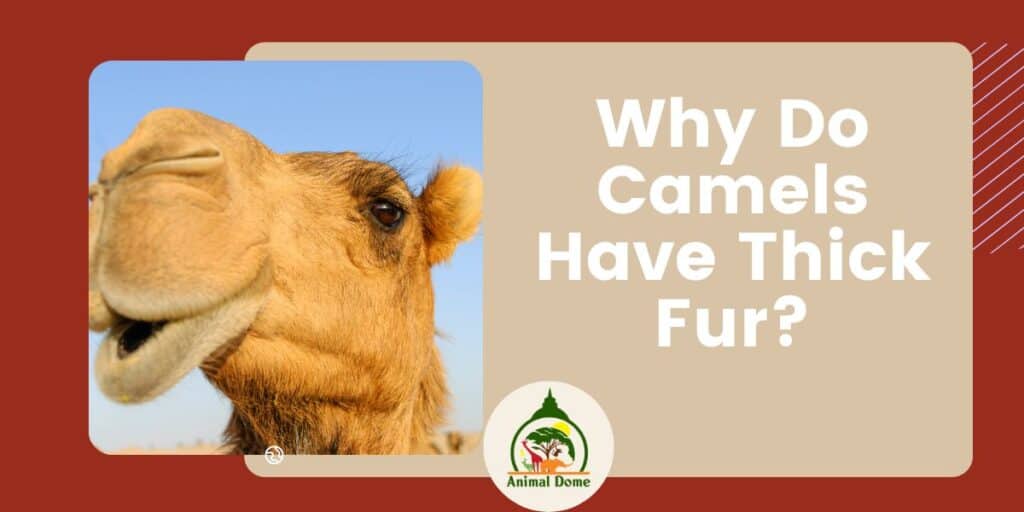
If you've seen a camel in person or in a picture, you've probably noticed its thick coat, especially on the back, hump and neck.
That coat isn't the same everywhere on the body, and it changes with the seasons. Here is why.
This article covers the three camels in the genus Camelus: the dromedary (one hump), the domestic Bactrian camel and the wild Bactrian camel (both with two humps). We use "fur," "hair" and "wool" to mean the same thing: the coat that covers a camel's skin.
Why Do Camels Have Thick Wool On Their Back?
Camels live in harsh places. Dromedaries are found in desert areas of North Africa and the Middle East, and a feral population lives in Australia. Bactrian camels are native to the Gobi Desert and the steppes of Mongolia and China.
Deserts can be scorching by day and cold at night, because dry air and clear skies let heat escape quickly after sunset.
A thick coat on the back works as insulation in both directions. It helps keep the camel warm on cold nights, and during the day it shades the skin and slows the flow of heat from the sun into the body.
The coat matters most for Bactrian camels. According to San Diego Zoo Wildlife Alliance, Bactrian camels grow a shaggy coat in winter for protection from the freezing cold, then shed it during the hot summer. They can survive temperatures from minus 20°F (minus 29°C) to 120°F (49°C).
How Thick Is A Camel's Fur?
Camel hair has two main layers: coarse outer guard hairs and a soft, fine undercoat. The fine undercoat is the part prized as "camel hair" in textiles.
Coat length varies by species, season and body region. Bactrian camels grow much longer, heavier winter coats than dromedaries, and wild Bactrian camels have less hair than domestic ones.
The coat helps camels save water. Because the fur slows heat gain from the sun, the camel needs less sweating to stay cool, so it loses less water in the heat.
In spring, camels shed their winter coat, often in large clumps, and may rub against trees and bushes as it loosens.
What Color Is Camel Fur?
Camel coats usually range from light tan or sandy beige to reddish brown and dark brown. Some camels are grayish, nearly black or very pale.
Color varies between breeds and local populations.
Why Do Camels Have Thin Hair On Their Tummy?
If thick fur helps on the back, why is the belly so thinly haired?
The back and hump take the full force of the sun, so that is where insulation helps most. The underside is shaded by the body.
Thinner hair on the belly and legs makes it easier to lose heat from those areas in hot weather. When resting, camels fold their legs under their body, which keeps the belly close to the ground and less exposed to wind.
Why Do Camels Have Shaggy Fur?
The shaggy coat is mostly a winter coat. It helps Bactrian camels in particular survive freezing winters on the steppes.
As the weather warms, they shed that heavy coat and are left with shorter, thinner hair for summer.
Camels have other features that protect them from their environment too. San Diego Zoo Wildlife Alliance notes that double rows of long eyelashes and a clear inner eyelid help keep sand out of their eyes, and they can close their nostrils during sandstorms.
Conclusion
Camels have thick fur on their backs to insulate them from both cold desert nights and strong daytime sun. The coat also helps them save water by reducing the need to sweat.
Bactrian camels grow especially shaggy winter coats and shed them in summer. Thinner hair on the belly and legs helps camels lose heat when it's hot.
Sources
- Camel, San Diego Zoo Wildlife Alliance


