What To Know When Getting A Bird For A Pet?
Contents
It isn't hard to see the appeal of a pet bird. Birds are colorful, smart, and full of personality, and Birds are also very loyal to their owners.
But birds are not low-maintenance pets. Each species has its own needs, and some live for decades.
Before you bring home a bird, here are some important things to know.
Birds Can Be Noisy
Some birds sing softly, while others talk, squawk, and scream. Think about how much noise you and your neighbors can live with before choosing a species.
In some species, the sexes sound different. Male canaries, for example, are the main singers.
Parrots, especially larger ones, tend to be the loudest pet birds. Smaller birds such as budgies and finches are usually quieter, though they still chirp and chatter.
Birds Are Early Risers
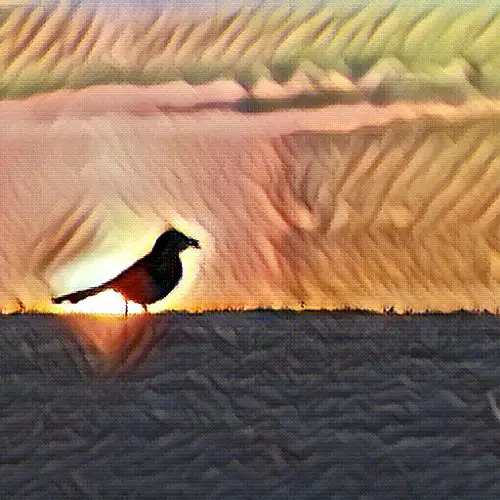
Many birds wake at first light and are often noisiest at dawn and dusk. A bird can be an alarm clock you can't switch off.
Plan a steady daily routine, including a quiet, dark sleeping area at night. A new bird may take weeks or months to settle into your home.
Birds Require Specialized Care
Find an avian veterinarian before you bring your bird home. Have a new bird examined soon after you get it.
After that, plan on regular checkups. Birds often hide signs of illness until they are very sick, so routine exams help catch problems early.
Birds Can Be Costly
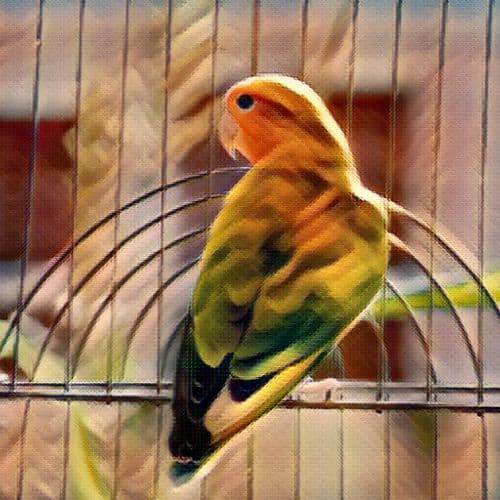
The purchase price is only the start. You'll also pay for a large cage, perches, toys, food, and avian vet care, which can cost more than routine care for a cat or dog.
Most pet birds need more than seeds. Ask your avian vet what to feed your species; many birds do best on a formulated diet plus fresh vegetables and some fruit.
Birds Hate Smoke
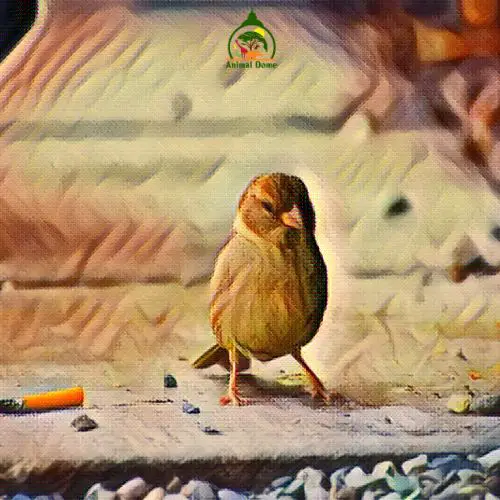
Birds have very sensitive lungs. Cigarette smoke is harmful to them, so if you smoke, do it outside and away from open windows.
Wash your hands before handling your bird after smoking, since residue on your hands and clothes can also harm it.
Fumes from cooking can be deadly too. UF Health's Animal Airwaves warns that overheated nonstick (PTFE) coatings release an odorless gas that is extremely toxic to birds, and fumes from phenol-based cleaners can cause severe breathing problems.
Birds Also Hate Toxic Foods and Houseplants
Many common foods and plants are dangerous to birds. Avocado is one of the best-known: UF Health notes it contains a chemical that can cause sudden death in birds.
Some houseplants, such as philodendrons and lilies, are also commonly listed as unsafe. Keep plants out of your bird's reach, and ask your avian vet which plants are safe for your species.
If your bird eats something toxic or breathes in fumes, take it to an emergency veterinarian right away.
Why Birds Are Amazing Pets
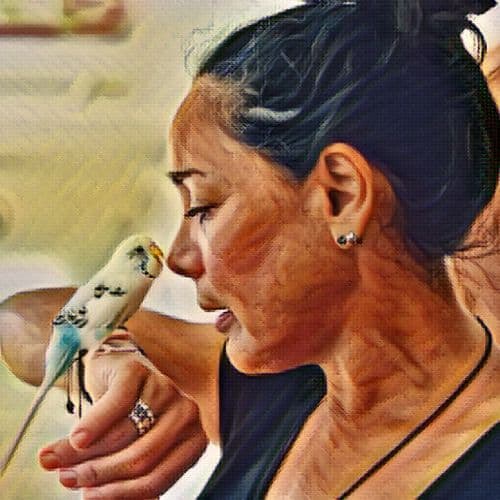
Bird owners will tell you birds are wonderful companions. Every bird has its own personality, and some large parrots can live for decades, so a parrot may be a friend for life.
Here are some reasons people love keeping birds:
- Affectionate Companionship: Many birds bond closely with their owners.
- Variety of Species: From finches and canaries to budgies, cockatiels, and large parrots, there is a pet bird for many lifestyles.
- Intelligent Creatures: Many parrots can learn tricks, and some learn words or phrases with training.
- Fun Personality: Birds can be playful and comical.
- No Walking Necessary: Birds don't need walks, though most need daily time out of the cage in a safe room.
- Small Spaces: Smaller species such as finches and canaries can suit apartments, as long as noise isn't a problem.
Keep in mind that birds are not low-maintenance or quiet pets, and their care costs add up.
It Requires Planning And Effort
A tame bird stays tame only if you keep handling it. You'll need to interact with your bird every day to keep it social, or to tame a bird that isn't used to people.
Some birds, especially parrots, need several hours of attention each day to stay physically and mentally healthy. Cleaning the cage and preparing fresh food also take time every day.
Conclusion
Birds can be wonderful pets with big personalities, and some live for decades. If you are ready for the noise, the costs, the daily care, and a long commitment, a bird can be an excellent companion.
Sources
- Potential household toxins that can be rapidly lethal to birds, UF Health Animal Airwaves