Do Owls Have Knees? (Facts About Owl Legs)
Contents
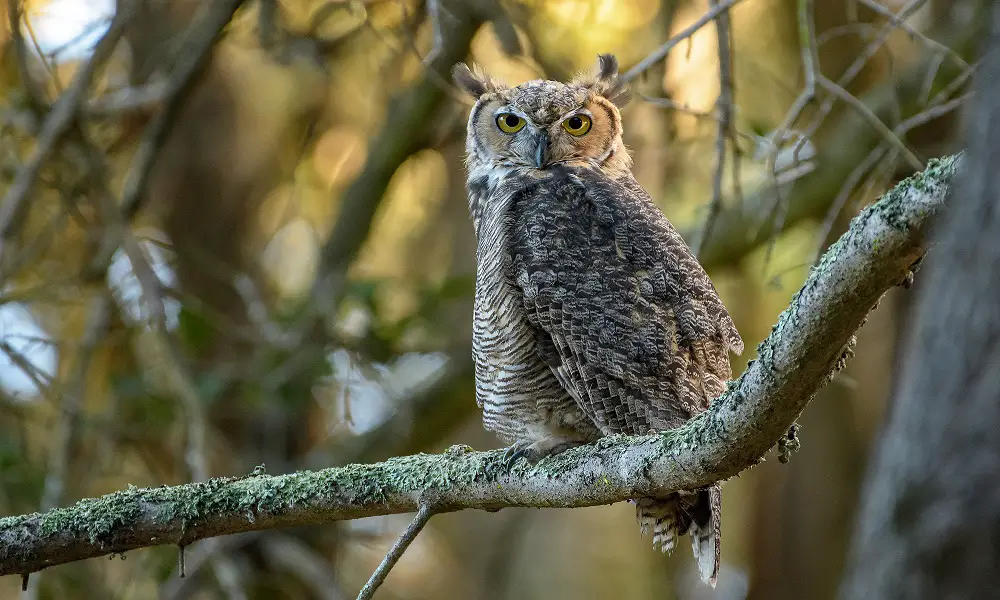
Owls are instantly recognizable by their upright stance, big forward-facing eyes and round heads. Their legs, though, are mostly hidden under feathers.
Aside from their unusual look, owls have other surprising features. They swallow small prey whole, hunt at night and turn their heads remarkably far. So, do owls have knees?
Yes. Owls have knees, like all birds. The knee joint sits between the thigh bone (femur) and the long lower leg bone (tibiotarsus), high up and hidden under the body feathers. The joint that looks like a backward-bending "knee" lower down is actually the owl's ankle.
Why Owls Have Knees
An owl's skeleton follows the standard bird plan. Its legs have a hip, a knee and an ankle joint, just like other birds.
In birds, several leg bones are fused together. This gives a strong, light leg for walking, perching and landing on prey.
Do Owls Have Long Legs?
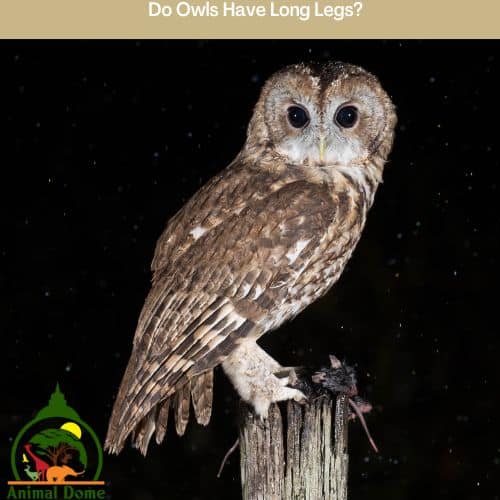
Yes. Many owls have surprisingly long legs that are hidden by thick feathers. Leg length varies by species.
Barn owls, for example, have long legs that are easier to see. Long, strong legs help owls reach into grass or snow to grab prey.
Do Owls Have Talons?
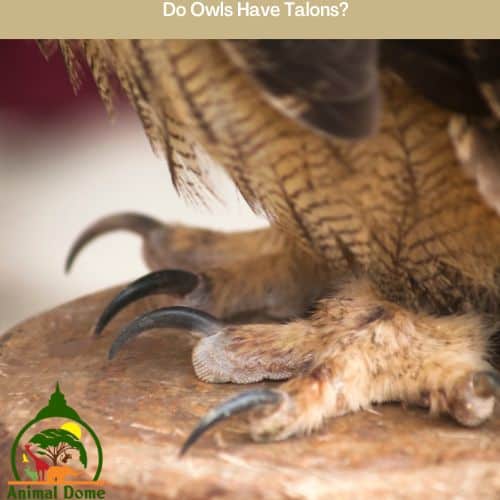
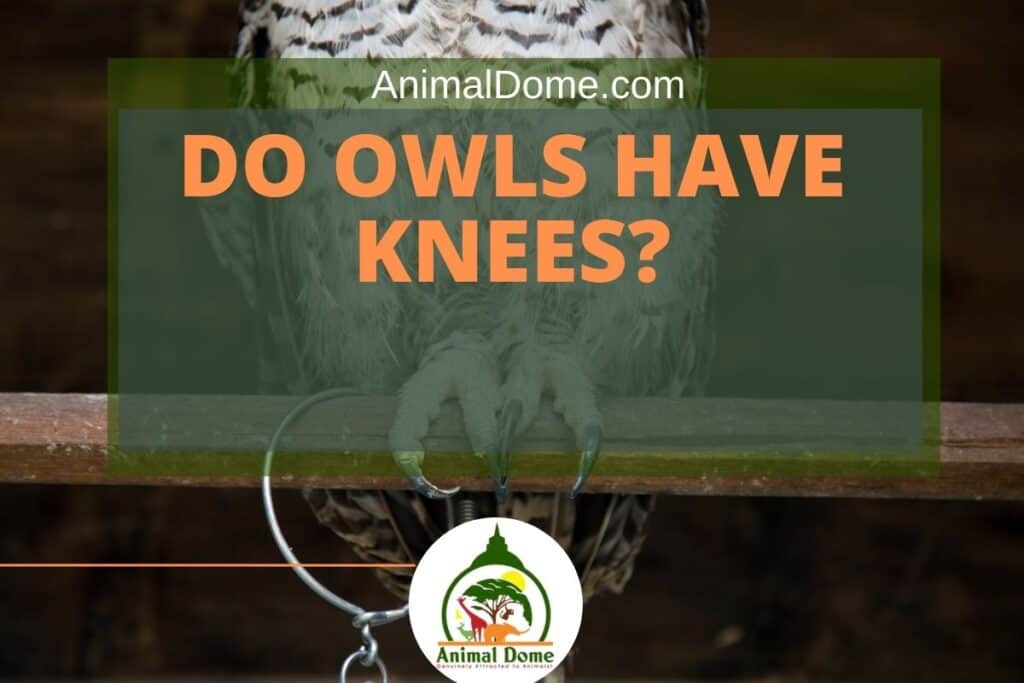
Yes. Owls have four toes, each tipped with a sharp, curved talon. One outer toe can swing forward or backward, so owls often grip with two toes in front and two behind.
Owls are birds of prey. They hunt, kill and eat other animals, and their talons are their main weapon.
The grip of a large owl is very strong and can seriously injure a person, so never handle a wild owl. Owls catch prey with their feet and hold it tightly so it can't escape.
Owls also hunt by stealth. Special feather edges on their wings help many owls fly almost silently.
Do Owls Have Backbones?
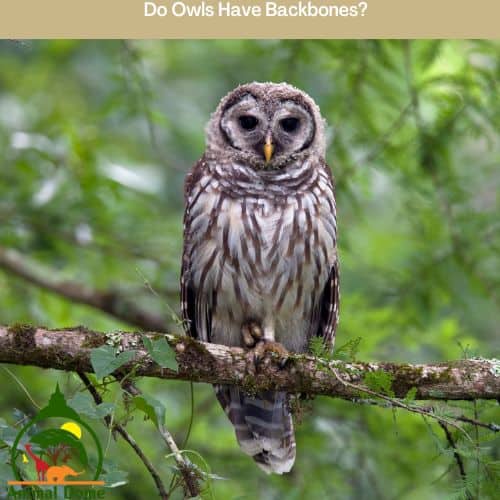
Yes. Owls are birds, and all birds are vertebrates with a backbone.
Owls can't move their eyes much in their sockets, so they turn their heads instead. A Johns Hopkins study reported that owls can rotate their heads by as much as 270 degrees in either direction, according to ScienceDaily.
Owls have 14 neck vertebrae, twice as many as humans, which helps give them this range of motion.
The same study found that the holes in the neck vertebrae that carry the vertebral arteries are about 10 times wider than the arteries themselves. Blood vessels at the base of the head can also expand to pool blood, which helps keep the brain supplied while the head turns.
Wrapping Up
Owls have knees just like other birds, but they are hidden under feathers. The joint you see bending is the ankle.
With long legs, strong talons and a very flexible neck, owls are built for hunting.
Sources
- Owl mystery unravelled: Scientists explain how bird can rotate its head without cutting off blood supply to brain, ScienceDaily (Johns Hopkins Medicine)