Himalayan Cats & Shedding: Here’s What Exactly Will Happen
Contents
If you are thinking about getting a Himalayan cat, you are probably wondering how much it sheds. Here are the facts.
How much do Himalayan cats shed? Himalayans have long, thick coats and shed year-round, with heavier shedding when the seasons change, especially in spring as the winter coat comes out. Indoor cats may shed fairly evenly all year. Daily combing keeps loose hair and mats under control.
Let's look at what to expect and how to manage it.
Himalayan Cats Shedding Info
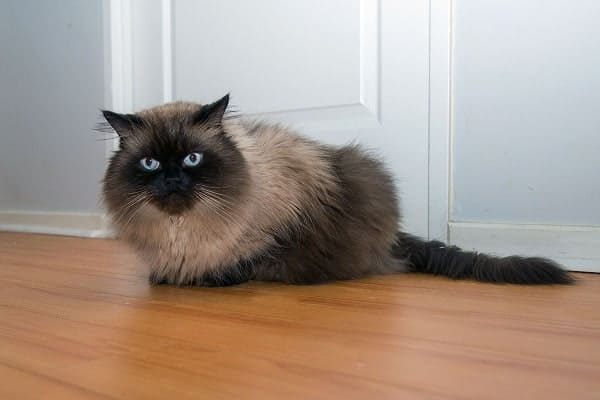
The Himalayan is a colorpoint longhair created by crossing Persian and Siamese cats. According to the Cat Fanciers' Association, work to develop the breed began in the U.S. around 1950, and the CFA now treats the Himalayan as a division of the Persian breed.
Himalayans are generally calm, people-oriented cats. CFA describes them as playful but not hyperactive, and they enjoy lap time.
They suit owners who want a gentle, quiet companion. The trade-off is their coat: they shed, and their long fur needs regular care.
Many owners notice heavier shedding during seasonal changes, as the cat drops its old coat. Indoor cats with steady light and temperature may shed more evenly year-round.
To keep hair off your couches, floors and carpets, groom your Himalayan regularly. CFA says the breed should be groomed on a daily basis.
Their long fur tangles easily, and mats can be painful and pull on the skin. Daily combing removes loose hair before it mats.
Bathing helps keep the coat clean. Many Himalayan owners and catteries bathe about once a week to once a month, depending on the coat. Use a shampoo made for cats and dry the coat thoroughly.
Grooming takes time and effort, but it reduces shedding and keeps the coat comfortable for your cat.
Himalayans have the same coat type as Persians, so the same grooming routine works for both.
My Himalayan Cat Is Shedding Too Much
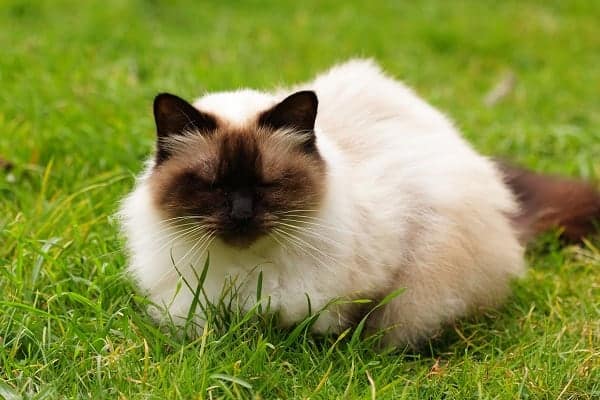
Himalayan cats shed normally all year, with heavier shedding at certain times.
But if your Himalayan suddenly sheds far more than usual, or you see bald patches, broken hair or sore skin, something may be wrong.
Heavy shedding outside the usual seasonal changes, or hair loss in patches, is a reason to see your vet.
Here are some common reasons a Himalayan might shed more than usual.
-
Poor diet One reason why your Himalayan cat is shedding too much may be its diet. Like any animal, a cat that doesn't get complete nutrition may have a dull coat and shed more.
Feed a complete and balanced cat food appropriate for your cat's life stage. If you are unsure, ask your vet to recommend one.
Diet changes alone won't fix shedding caused by illness, so see your vet if the problem continues.
-
Allergies and parasites
Allergies are another cause of excessive shedding. Cats can react to environmental allergens, fleas or food ingredients.
Common environmental triggers include:
- Pollen
- Ragweed
- Dust Mites
Common signs of skin allergies include:
- Rashes
- Itchiness
- Bald Spots
If your cat shows these signs, see your vet, who can find the cause and recommend treatment.
External parasites such as fleas and mites can also cause itching and hair loss. Use only flea products made for cats and recommended by your vet. Never use dog flea products on cats: the EPA warns that cats can be harmed by dog products because they are more sensitive to certain pesticides.
-
Stress
Stress can also increase shedding. Moves, new pets, loud noises or changes in routine can all stress a cat.
Give your Himalayan a calm, comfortable environment with places to hide and rest.
Besides shedding a lot, other signs that your Himalayan is stressed include:
- Hiding
- Trembling
- Acting Aggressively
-
Aging
Older cats may have more trouble grooming themselves, especially if they have arthritis or dental pain. A long-haired cat that can't groom well may develop mats and lose more hair.
Help an older Himalayan by combing it gently every day. Let your vet know if your senior cat stops grooming, since it can be a sign of pain or illness.
-
Pregnancy and nursing
Hormonal changes during pregnancy and nursing can cause extra shedding. Some cats lose hair on the belly around the nipples.
The coat usually returns to normal after the kittens are weaned. Talk to your vet about care during pregnancy.
How To Reduce Shedding Indoor?
If your Himalayan sheds a lot, you'll find hair on your bed, floors, sofas and carpets. So what should you do?
The best way to reduce loose hair is daily combing, which removes dead hair before it falls out. Regular baths with a cat shampoo, a grooming glove and frequent vacuuming also help.
Baby Himalayan Cat Shedding?
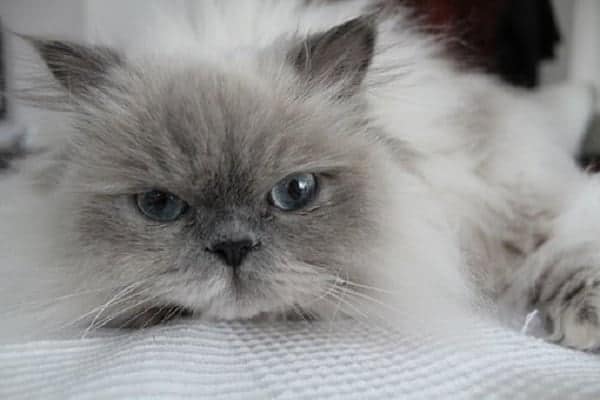
When do Himalayan kittens start to shed? Kittens gradually trade their soft kitten coat for an adult coat during their first year, so you may notice extra shedding.
Start combing your kitten daily from an early age.
Short, gentle sessions with treats help your kitten get used to being handled and groomed. Kittens may be nervous at first, so be patient.
Teach your Himalayan that grooming is a pleasant routine you enjoy together.
Introduce baths gradually, too. Use warm water, a cat shampoo and plenty of patience, and make sure your kitten is completely dry afterward so it doesn't get chilled.
A grooming glove can make baths and brushing easier for a nervous kitten or adult cat.
Frequently Asked Question
Are Himalayan Cats Hypoallergenic? No, Himalayan cats are not hypoallergenic. They have thick fur and shed year-round, which spreads allergens through the house. They are not a good choice for people with cat allergies.
Are Himalayan Cats Low-Maintenance Cats? No, Himalayan cats are not low-maintenance. Their long, thick coats need daily grooming to prevent mats. If you want a low-maintenance cat, a shorthaired breed is a better fit.
Final Thoughts
Himalayan cats shed year-round and need daily grooming, so they are not easy for everyone to keep. They are also not hypoallergenic.
If you can commit to daily combing and regular baths, a Himalayan can be a calm, affectionate companion. See your vet if shedding suddenly increases or comes with skin problems.
Sources
- Persian Himalayan Article, The Cat Fanciers' Association
- EPA Evaluation of Pet Spot-on Products: Analysis and Plans for Reducing Harmful Effects, U.S. Environmental Protection Agency