
Flowers That Look Like Animals
Contents
- Types of Flowers That Look Like Animals
- Snapdragon – Looks Like A Dragon
- Bunny Ears Cactus – Looks Like a Bunny
- Dancing Girls – Looks Like a Ballerina
- Parrot’s Beak – Looks like a Parrot
- Bat Plant – Looks Like a Bat
- Plants to Avoid if You Have Pets
- How to Care for Flowers That Look Like Animals
- Where to Find Flowers That Look Like Animals
- Conclusion
- Sources
Some flowers look so much like animals that it's hard to believe they're plants. Orchids that resemble monkeys and ducks, a cactus with bunny ears and a "bat" with long whiskers are just a few.
If you have pets, check before you plant. Some of these plants are safe for cats and dogs, but others on popular lists are toxic, so we note pet safety for each one using the ASPCA's toxic and non-toxic plant list.
Types of Flowers That Look Like Animals
| Flower Name | Animal Resemblance |
|---|---|
| Snapdragon | Dragon |
| Bee Orchid | Bee |
| Flying Duck Orchid | Duck |
| Monkey Orchid | Monkey |
| Moth Orchid | Moth |
| Bird of Paradise | Bird |
| Cobra Lily | Cobra |
| Elephant Ear Begonia | Elephant |
| Parrot's Beak | Parrot |
| Spider Flower | Spider |
| Dove Orchid | Dove |
| Bat Plant (Black Bat Flower) | Bat |
| White Egret Orchid | Egret |
| Donkey’s Ear | Donkey |
| Snail Vine | Snail |
| Pelican Flower | Pelican |
| Bunny Ears Cactus | Bunny |
| Dancing Girls Impatiens | Dancing girl (a fun bonus) |
Let's take a closer look at five of them.
Snapdragon – Looks Like A Dragon
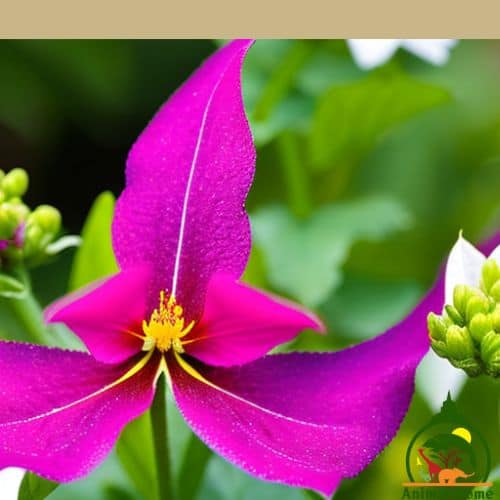
Squeeze the side of a snapdragon flower and its "mouth" opens like a little dragon's jaw. With bright colors and tall spikes, it adds a playful touch to any garden.
Growing Condition: Snapdragons are usually grown as cool-season annuals. They like full sun to partial shade and well-drained soil, and they bloom best in the cooler weather of spring and fall.
Care: Water regularly so the soil stays evenly moist but not soggy. Removing faded flower spikes encourages more blooms.
Pet Safety: The ASPCA lists the common snapdragon (Antirrhinum majus) as non-toxic to dogs and cats.
The snapdragon is an easy, charming choice for both new and experienced gardeners.
Bunny Ears Cactus – Looks Like a Bunny
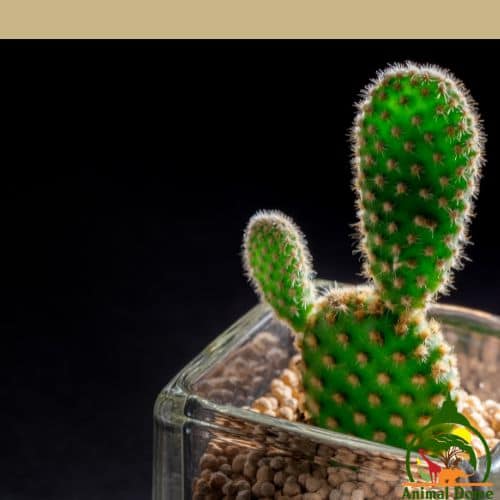
The Bunny Ears Cactus (Opuntia microdasys) grows paired, rounded pads that look like a rabbit's ears. The pads are dotted with fuzzy-looking tufts.
Growing Condition: This prickly pear cactus is native to Mexico and thrives in dry conditions. It needs bright light and fast-draining cactus soil.
Care: The biggest risk is overwatering. The pads store water, so let the soil dry out completely between waterings, and water even less in winter.
Pet Safety: The ASPCA lists Opuntia species as non-toxic to dogs and cats. The fuzzy tufts are not soft, though: they are tiny barbed bristles (glochids) that stick in skin and mouths. Wear gloves, and keep the plant out of reach of pets and children.
The Bunny Ears Cactus is a low-maintenance plant for a sunny windowsill.
Dancing Girls – Looks Like a Ballerina
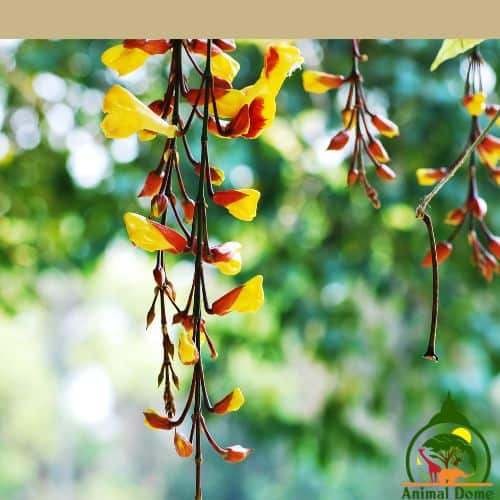
Dancing Girls (Impatiens bequaertii) has tiny flowers that look like dancers with raised arms and flared skirts. It isn't an animal look-alike, but it's too charming to leave out.
This impatiens is native to tropical Africa, not South America. Its small flowers are usually white or pale pink.
Growing Condition: It prefers shade, warmth, humidity and moist, well-drained soil. It does well in pots, hanging baskets and terrariums.
Care: Keep the soil evenly moist and feed lightly with a diluted balanced fertilizer during the growing season. Pinch back long stems to keep it bushy.
Pet Safety: The ASPCA lists Impatiens species as non-toxic to dogs and cats.
Parrot’s Beak – Looks like a Parrot
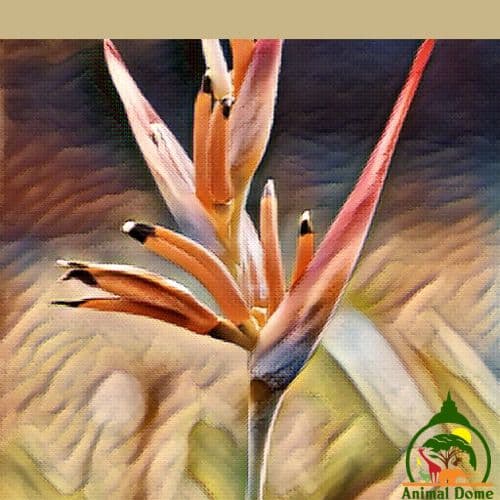
Parrot’s Beak (Clianthus puniceus), known in New Zealand as kākābeak, has bright red, hooked flowers that look like a parrot's beak. It is native to New Zealand and is rare in the wild.
It is a sprawling shrub rather than a true vine, though it can be trained against a wall or trellis. It flowers in spring and early summer.
Growing Condition: It prefers full sun and well-drained soil and doesn't like hard frost. Give it a sheltered spot in cooler climates.
Care: Water during dry spells but don't let the roots sit in wet soil. Prune lightly after flowering to keep it tidy.
Pet Safety: It is not on the ASPCA's list, so its effects on pets aren't well documented. Keep pets from chewing it, and call your vet if they do.
Bat Plant – Looks Like a Bat
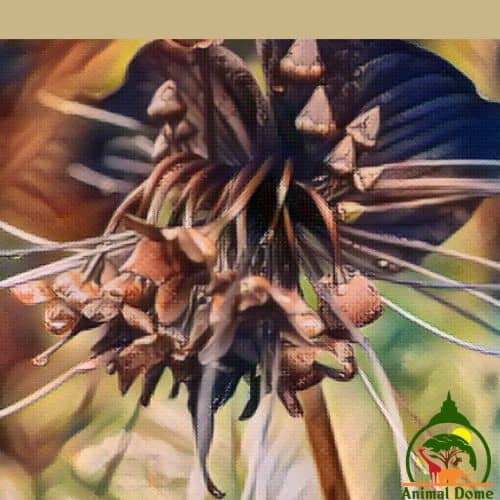
The Bat Plant (Tacca chantrieri), also called the black bat flower, has dark purple to almost black flowers with wing-like bracts and long, trailing "whiskers." It is native to Southeast Asia.
Growing Condition: It needs warmth, high humidity, filtered light and moist, well-drained soil. Most people grow it indoors or in a shady greenhouse.
Care: Keep the soil moist but never waterlogged, since soggy soil can cause root rot. Feed lightly during the growing season.
Pet Safety: It is not on the ASPCA's list either. Keep it out of reach of curious pets.
Plants to Avoid if You Have Pets
Some plants that show up on "animal look-alike" lists are toxic. The ASPCA lists the Elephant-Ear Begonia and the Bird of Paradise (Strelitzia) as toxic to dogs and cats.
Lists like this sometimes include foxglove, angel's trumpet and stargazer lilies too. The ASPCA lists foxglove as toxic to dogs and cats because it contains cardiac glycosides that can cause heart arrhythmias and death. True lilies (Lilium) are dangerous to cats.
If you think your pet ate a toxic plant, call your vet or the ASPCA Animal Poison Control Center at (888) 426-4435 right away.
How to Care for Flowers That Look Like Animals
Care depends on the plant, so follow the needs of each species. A few general tips:
- Water according to the plant. Cacti need the soil to dry out, while bat plants and impatiens like steady moisture.
- Fertilize lightly with a product made for flowering plants or cacti, as appropriate.
- Remove faded flowers and damaged leaves to keep plants looking their best.
- Check for pests such as aphids and mites. If you use a pesticide, choose one that is labeled safe for use around pets and keep pets away until it dries.
Where to Find Flowers That Look Like Animals
Flowers that look like animals can be found in many different places. Here are some of the best places to find them:
- Local nurseries. Many local nurseries carry unusual plants.
- Online nurseries. Specialty growers sell rare orchids and tropical plants.
- Garden centers. Many garden centers carry snapdragons, cacti and impatiens.
- Flower and orchid shows. These are great places to find rare, unique flowers.
Conclusion
Flowers that look like animals are a fun way to add whimsy to your garden. From dragons to bunnies to bats, there's a look-alike for almost every taste.
Before you buy, check that your choice suits your climate and is safe for any pets in your home.
Sources
- Toxic and Non-Toxic Plant List: Dogs, ASPCA
- Toxic and Non-Toxic Plant List: Cats, ASPCA
- Foxglove, ASPCA


