
Do Turtles Make Friends? (With Other Related Facts!)

Contents
Are you planning to buy a pet turtle because you want a friendly pet? Before you get one, it helps to know how turtles relate to people and to other turtles, so you won't be disappointed.
Do turtles make friends? Not in the way dogs or people do. Most turtles are solitary and don't form social bonds with other turtles. However, pet turtles can learn to recognize their owners, especially the person who feeds them.
Let's look at other facts about turtle behavior. After reading this article, you will know whether a turtle is the right pet for you.

Why Don't Turtles Make Friends?
Most turtles are solitary animals. You may see videos of turtles gathered together, but that is usually not friendship.
Turtles gather for practical reasons, like mating, nesting (some sea turtles nest in mass events called arribadas), basking in a good spot, or feeding.
Some people think their turtle is being friendly when it swims over or pokes its head out as they approach. Usually, the turtle has learned that you bring food.
Turtles can learn and adapt in captivity. They are not social pets like dogs, though, so don't expect the same kind of affection.
That's why most pet turtles come to the front of the tank when their owner walks up: they expect to be fed.
Do Turtles Get Attached To Their Owners?
Pet turtles can learn to recognize their owners. However, having a pet turtle is not like having a pet dog.
A turtle's "attachment" is mostly learned behavior. Turtles connect the people who care for them with food and a safe home.
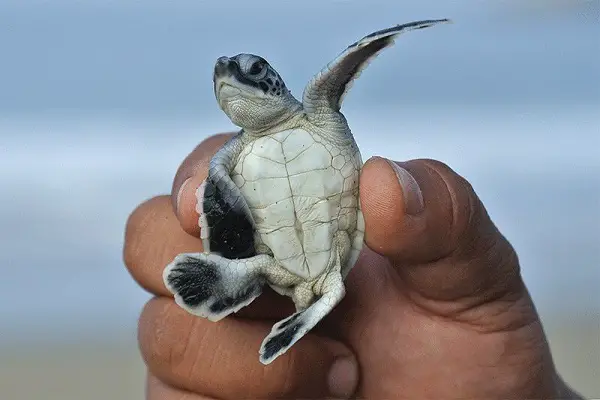
Most turtles don't like being handled. In the wild, being picked up usually means a predator has caught them, so handling can be stressful and some turtles will bite.
If you want your turtle to tolerate handling, keep sessions short and calm. Support its body fully and keep it low to the ground.
Wash your hands after touching a turtle, its water or anything in its tank. The CDC warns that turtles can carry germs such as Salmonella.
Do Turtles Love To Socialize?
Not really. Most turtles are solitary and don't seek out other turtles for company.
When you see turtles together, they are usually there for a shared reason, like mating, basking or food.
Turtles can still communicate. Some species make sounds, and many use body language to warn other turtles away from food or space.
Do Turtles Have Emotions?

Scientists are still studying what reptiles feel. Turtles clearly feel pain, stress and fear, and they can fight over mates, food and space.
We can't say for sure whether turtles feel anything like love or happiness. What matters for owners is that a turtle can be stressed or comfortable depending on how it is kept.
So if you have a pet turtle, give it a home that meets its needs: the right tank size, water quality, basking spot, lighting, temperature and diet. A stressed turtle may stop eating or become sick.
Can Turtles Love Humans?
Turtles don't show affection the way dogs do. But a turtle that is used to you may stop hiding when you are near and may come to you at feeding time.
Do Turtles Get Lonely?
Most turtles are solitary and don't need a companion. This is why many keepers have just one turtle.
Never release a pet turtle into the wild if you no longer want it. The CDC advises contacting a local pet store or reptile rescue instead.
Should You Get Your Pet Turtle A Friend?
Usually, no. Turtles don't need company, and two turtles in one tank can fight over food, basking spots and space.
If you do keep two, choose turtles of similar size, use a much larger tank, and watch for bullying. Separate them if one starts biting the other.
Why Does Your Pet Turtle Stare At You?
Your turtle is probably watching you because it has learned that you bring food. Turtles also watch movement around their tank.
Final Verdict
Turtles don't make friends the way dogs or people do. Most are solitary, but they can learn to recognize the person who feeds them.
If you want a pet that loves to cuddle and play, a turtle is not the best choice. A dog or cat may suit you better.
The CDC also says pet turtles are not recommended for homes with children under 5, adults 65 and older, or people with weakened immune systems.


