
14 Animals That Laugh A Lot (With Pictures)
Contents
Animals can make people laugh in all sorts of ways. But can animals laugh too?
Scientists say many can, in their own way. A UCLA review of published research found laugh-like "play vocalizations" in at least 65 species. These sounds usually happen during play and tell a partner "this is a game, not a fight."
What animals laugh a lot?
To give you some intro, these are the 14 animals on our list:
- Dolphins
- Kea
- Chimpanzees
- Bonobo
- Rats
- Gorillas
- Dogs
- Orangutans
- Seals
- Crows
- Elephants
- Fox
- Donkey
- Pigs
For some of these animals the evidence for laughter is strong. For others, we know they play, but no laugh-like sound has been confirmed. We say which is which below.
These Are The Animals That Laugh A Lot
Many animals play, but only some make a distinct sound while they do it. Here is what is known about each animal on the list.
1. Dolphins
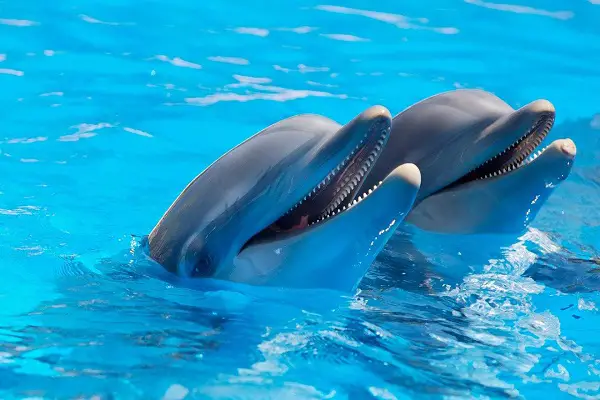
Dolphins are intelligent, social and playful. They play with objects, with each other and sometimes with people.
The UCLA review counted killer whales, the largest members of the dolphin family, among the species that make sounds during play. Researchers think play sounds like these help keep rough games friendly.
2. Kea Birds
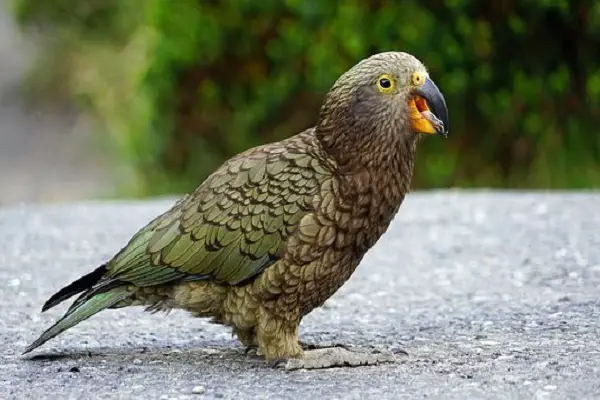
The kea is a parrot that lives only in New Zealand. Keas are famously playful, and they make a special "play call."
In one experiment, researchers played recordings of the play call to wild keas. The birds started playing with each other, as if the sound were contagious. Keas were one of only a few bird species in the UCLA review.
3. Chimpanzees
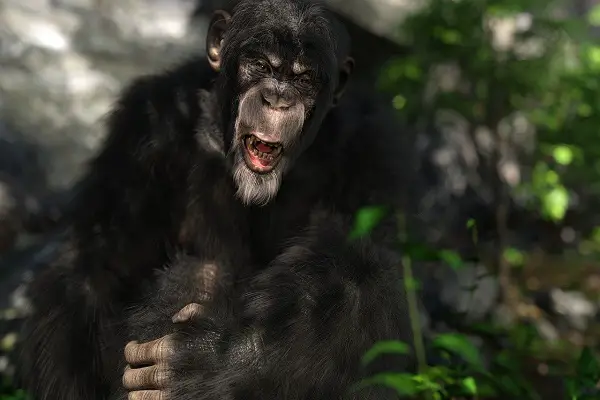
Chimpanzees are among the most clever apes. They live in forests and savannas across central and west Africa.
Chimps laugh when they are tickled and during rough play. Their panting laughter sounds a lot like human laughter, and Charles Darwin noted it back in the 1800s.
4. Bonobo
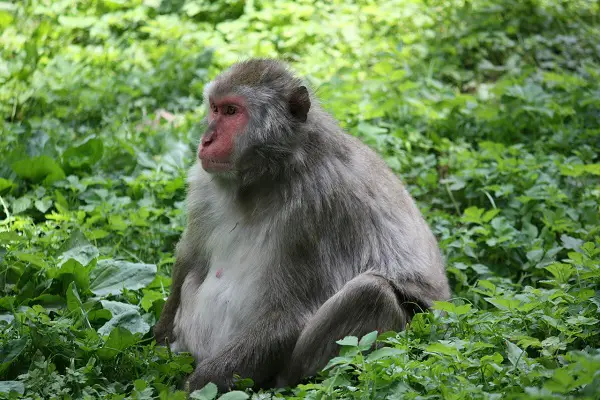
Bonobos are close relatives of chimpanzees. They laugh when they are tickled and when they play with each other.
Bonobos use many different calls to communicate, with different sounds for different situations.
5. Rats
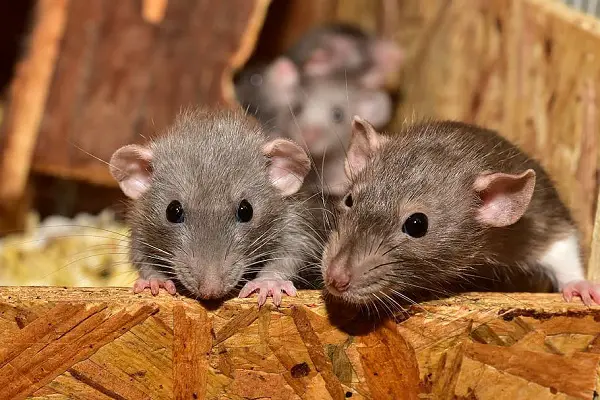
Rats are known as pests, but they are social and playful. When they are tickled or play-wrestle, they make high-pitched chirps.
These "giggles" are ultrasonic, so they are too high for human ears to hear. Researchers record them with special equipment. Rats seek out more tickling, which suggests they enjoy it.
6. Gorillas
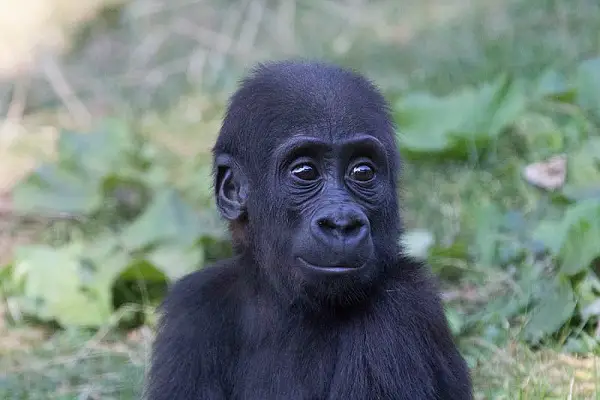
Gorillas are ticklish like other great apes. They make a laugh-like panting sound when they are tickled or playing.
Gorillas live in family groups and are generally calm, social animals.
7. Dogs
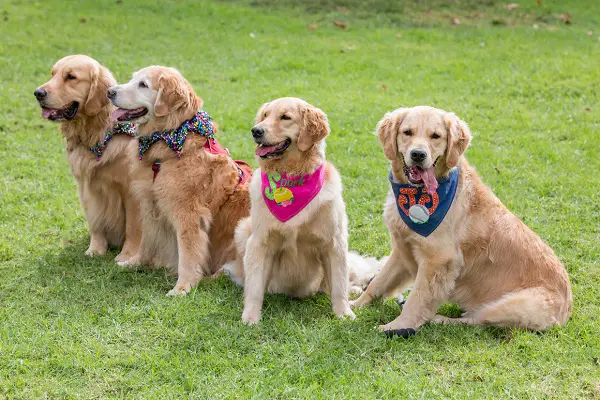
Dogs are friendly, loyal and playful. They have lived alongside people for thousands of years.
Dogs make many sounds to express themselves. One of them is a breathy, forceful pant during play that some researchers describe as a dog "laugh."
You can learn a lot about your dog's mood by paying attention to its sounds and body language.
8. Orangutans
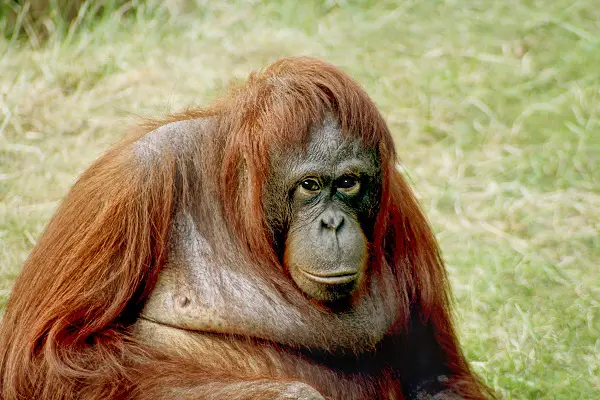
Orangutans are great apes, and they are our most distant great ape relatives. They live only on the islands of Borneo and Sumatra.
Like other apes, orangutans make laugh-like sounds and "play faces" when they are tickled or playing. Researchers have compared these sounds across all the great apes to trace how human laughter evolved.
9. Seals
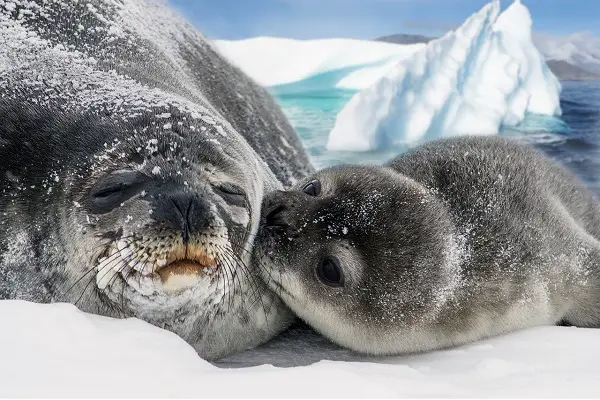
Seals are marine mammals, and young seals spend a lot of time playing. The UCLA review listed seals among the mammals that make sounds during play.
Not all seals are playful toward people. Wild seals should be watched from a distance, and leopard seals are powerful predators.
10. Crows
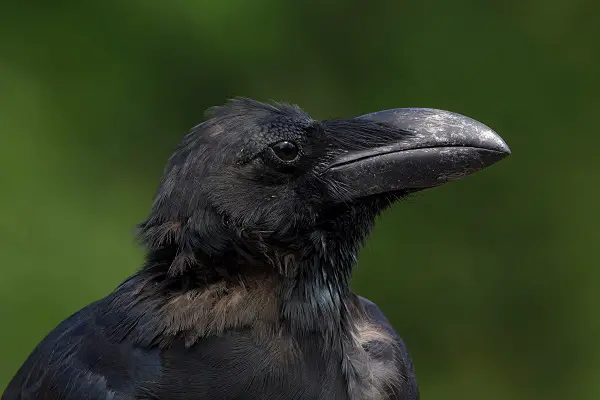
Crows belong to the corvids, a bird family known for intelligence. Corvids play, solve problems and sometimes tease other animals.
Crows and their relatives have been filmed pulling the tails of other animals, sometimes to steal food and sometimes with no food involved. Whether they "laugh" while doing it hasn't been shown.
11. Elephants
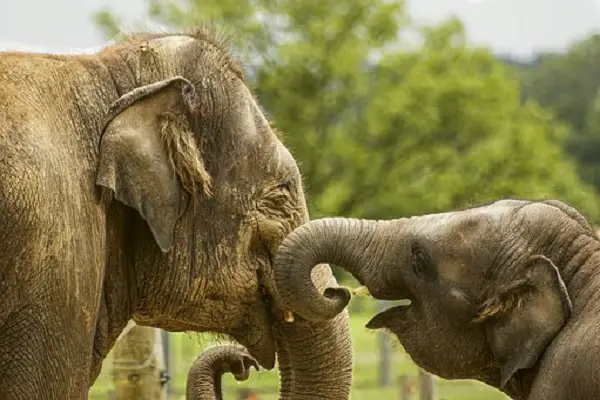
Elephants are social animals with strong family bonds. They show interest in the remains of dead elephants, which some researchers see as a sign of mourning.
Young elephants play a lot, and play continues into adulthood. Elephants make many rumbles and trumpets while they socialize, but a specific laugh sound hasn't been confirmed.
12. Fox
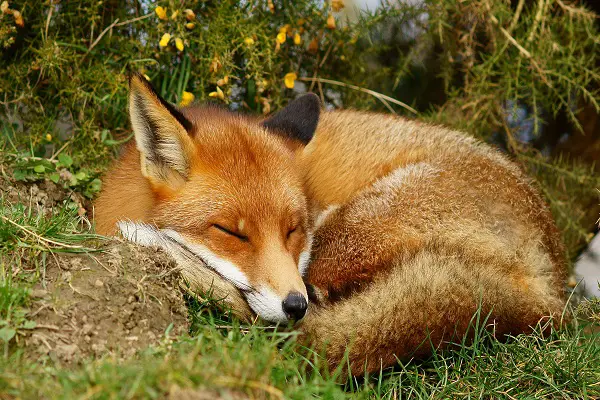
Foxes are wild predators, but they are also playful, especially when young. Foxes were among the mammals listed in the UCLA review of play sounds.
In a long-running Russian experiment, foxes bred for tameness became friendly toward people. Foxes make many different sounds, and some of their playful calls sound to people like giggling.
13. Donkeys
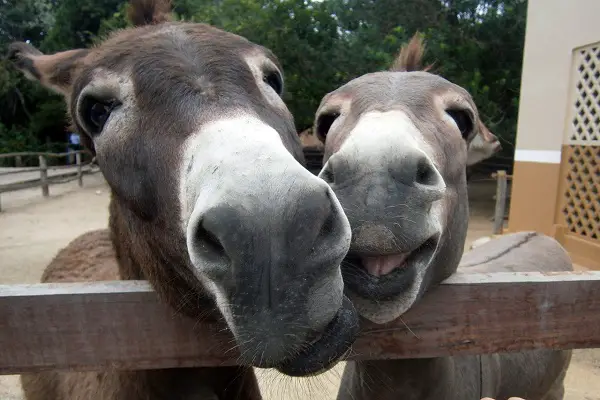
The donkey in the movie Shrek is friendly and playful, and real donkeys can be too. They enjoy company and bond with other donkeys and with their owners.
You may have seen a donkey that seems to "smile" by curling its upper lip and showing its teeth. This is not a smile. It's called the flehmen response, and donkeys do it when they find an interesting smell.
Donkeys bray and make other sounds, but there is no good evidence that they laugh.
14. Pigs
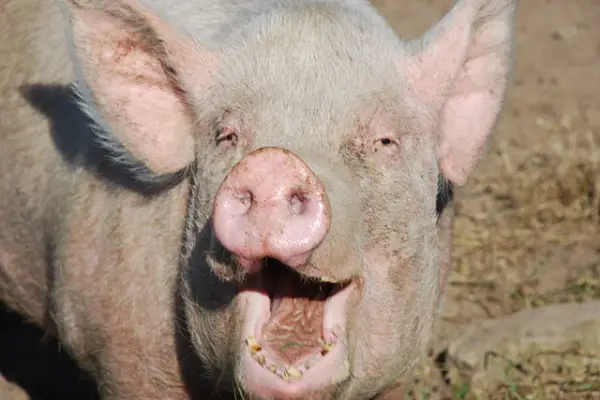
Pigs are smart, social animals. Many pet pigs crave attention and time with their people.
Pigs communicate with a range of grunts, squeals and barks. Their grunts change with their mood, and playful pigs make different sounds than frightened ones.
Which Animals Normally Giggles When Laughing?
The best-studied "gigglers" are great apes and rats.
Both laugh when tickled. Apes make panting laughs you can hear, along with open-mouthed play faces.
Rats make ultrasonic chirps that humans can't hear without equipment. Researchers found these chirps by tickling rats and recording the sounds.
Young rats that are tickled often come back for more and seek out the person doing the tickling. Laughter in apes and rats doesn't require human-level intelligence; it seems to be an old signal tied to play.
Final Words
Animals are fun to watch, and they become even more lovable when we see them play.
Play is good for pets too. If you have a dog or other pet, play with it and give it things to explore, and ask your vet about its exercise needs.


