Animals With Blue Blood: 8 Examples and 2 Common Mix-Ups
Contents
Animals with blue blood include octopuses, squid, horseshoe crabs, spiders, lobsters, shrimp and many snails. Their blood carries oxygen with hemocyanin, a copper-based protein, instead of the iron-based hemoglobin in our red blood cells.
Hemocyanin is nearly colorless when it carries no oxygen and turns blue when it picks oxygen up. Many mollusks, including most snails, rely on it, and so do many arthropods.
Two animals often named on blue blood lists, sea cucumbers and clams, are mix-ups. We explain both below.
1. Octopus
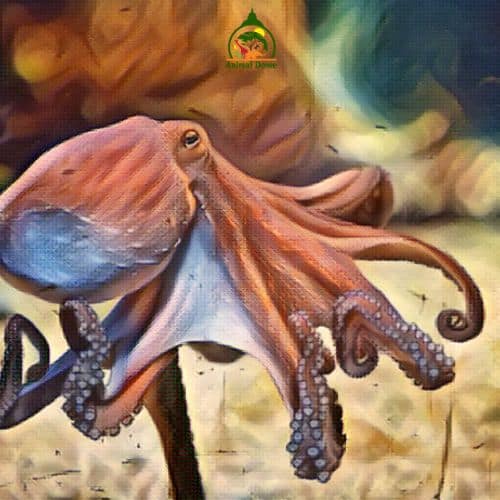
An octopus's blood is blue because it contains hemocyanin, which carries oxygen through the body. Humans use hemoglobin, an iron-containing protein inside red blood cells, which is why our blood is red.
In octopuses, hemocyanin floats freely in the blood rather than being packed into cells. The blue color is a side effect of the copper, not a camouflage or temperature trick.
2. Squid
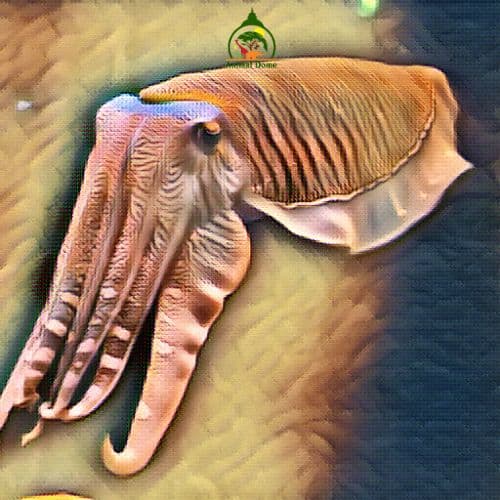
Like the octopus, a squid's blood is blue because of hemocyanin. Squid and octopuses are both cephalopods, a group of mollusks.
Squid have no exoskeleton. Their soft bodies are supported by an internal stiffening structure called a pen, and many species live in cold, deep water.
3. Horseshoe crabs
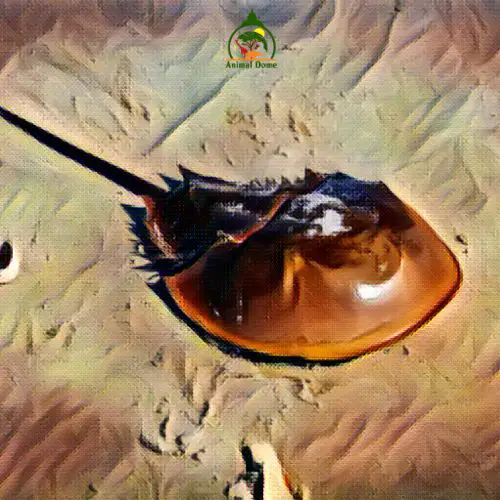
Horseshoe crabs are not true crabs. The U.S. Fish and Wildlife Service says they are ancient arthropods, closer to spiders and scorpions, and have stayed largely unchanged for about 350 million years.
Their copper-based blood starts out pale and turns blue when exposed to oxygen. Individual crabs can live more than 20 years.
DID YOU KNOW: Horseshoe crab blood is used to check medicines, including vaccines, for bacterial contamination. A clotting agent from its blood cells, Limulus Amebocyte Lysate (LAL), reacts to endotoxins, which are toxins from certain bacteria.
The LAL test does not measure whether a vaccine works. According to the Maryland Department of Natural Resources, drug and medical device makers use it to screen products for endotoxins, which can cause fever and can be fatal.
That makes it a safety check for sterility. Companies used LAL to test Covid-19 vaccines for contamination, the same way they test other injectable drugs and devices.
Learn more about this in the video below…
4. Velvet worms
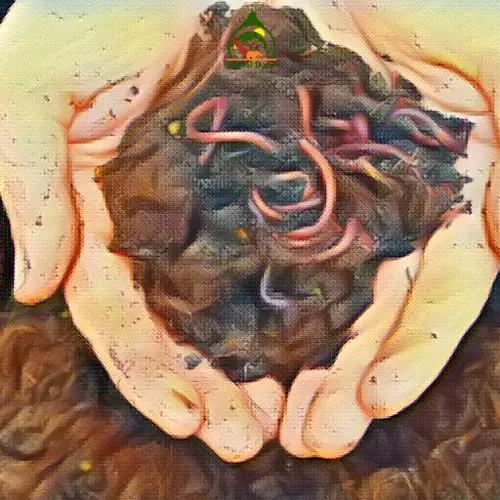
Velvet worms are small, soft-bodied animals that live in damp forest leaf litter. Researchers have found hemocyanin in their blood, which links them to the arthropods that also use it.
They are best known for squirting sticky slime to trap insect prey. They need humid habitats and dry out quickly.
5. Sea cucumbers
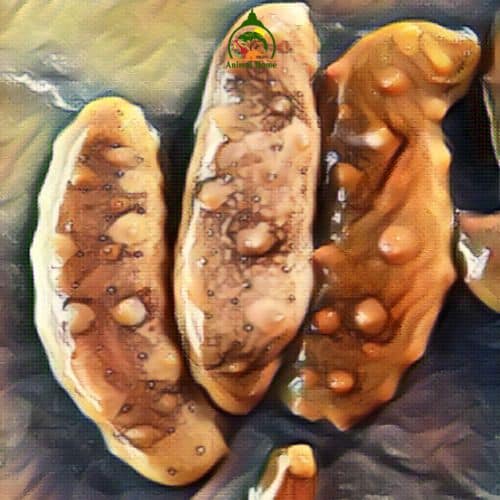
Sea cucumbers often show up on blue blood lists, but they do not use hemocyanin. They are echinoderms, relatives of sea stars and sea urchins.
Some sea cucumbers have blood cells that contain hemoglobin, which looks red. Treat this entry as a common myth.
6. Spiders
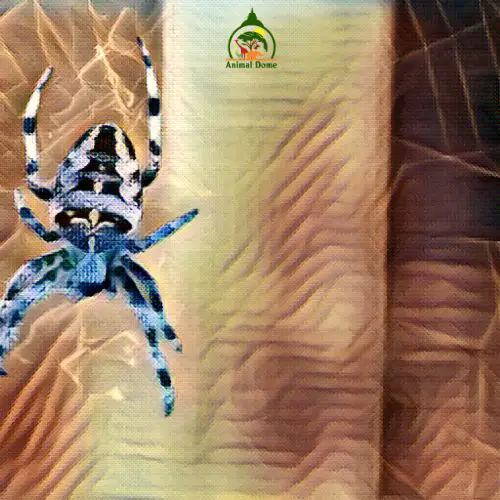
Spiders carry oxygen with hemocyanin, so their blood (called hemolymph) can look blue when it is oxygenated. Most spiders breathe through book lungs, and some also have tubes called tracheae.
Hemocyanin does not help spiders absorb heat or survive hot places. It is simply the oxygen carrier their group evolved.
7. Clams
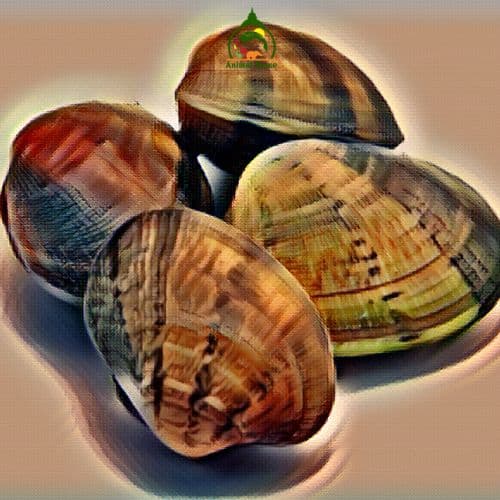
Most clams do not have blue blood. Many bivalves have colorless blood with no dedicated oxygen pigment.
Some, such as blood clams, have red blood because they carry hemoglobin. Clams are mollusks like octopuses and snails, which is likely why they get added to these lists.
Other animals that use blue blood in the same fashion include:
8. Lobsters
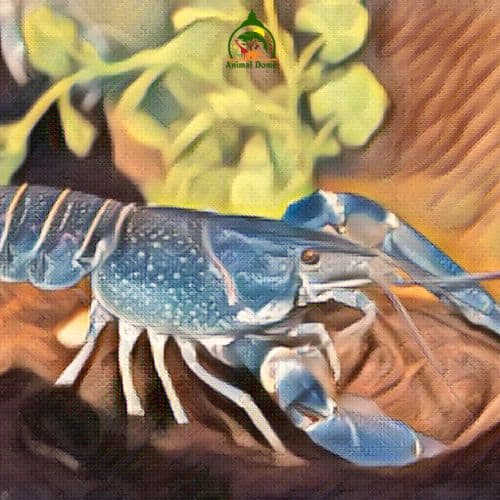
Lobsters are crustaceans, and their blood uses hemocyanin. It looks clear to gray-blue and turns bluer when exposed to air.
9. Snails
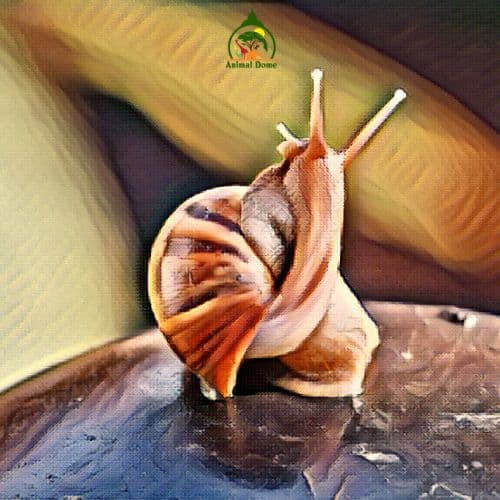
Most snails and slugs use hemocyanin. One exception is the ramshorn snail family, which uses hemoglobin and has red blood.
10. Shrimp
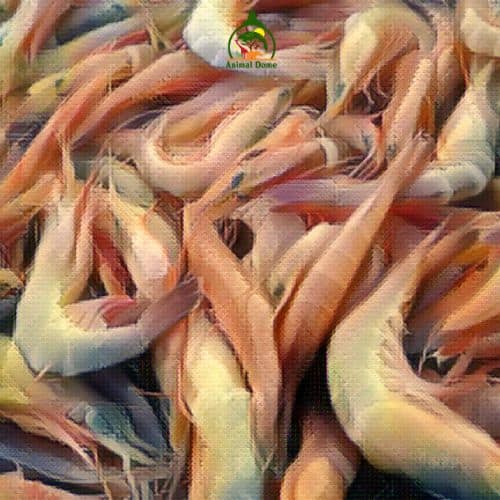
Shrimp are crustaceans like lobsters and crabs, and they also use hemocyanin to carry oxygen.
Sources
- Atlantic Horseshoe Crab, U.S. Fish and Wildlife Service
- Horseshoe Crab Blood, Maryland Department of Natural Resources