6 Reasons Why Your Chihuahuas Are Always Angry And Aggressive (With Tips To Stop It)
Contents
- Why Are Chihuahuas Always Angry?
- 1. Lack Of Training
- 2. She Is In Heat (Unspayed Females)
- 3. Stress Or Low Mood
- 4. They Want Attention
- 5. Lack Of Social Exposure
- 6. They Don't Feel Secure
- How To Train My Chihuahua Not To Be Always Angry Or Aggressive?
- 1. Teach Basic Cues
- 2. Teach Them To Socialize
- 3. Build A Healthy Relationship With Your Chihuahua
- 4 Common Types Of Chihuahuas
- 1. Short And Long Haired Chihuahuas
- 2. Apple Head Chihuahuas
- 3. Deer Head Chihuahuas
- 4. Teacup Chihuahuas
- Final Words
- Sources
Chihuahuas are among the smallest dog breeds, and their size makes them popular apartment and house dogs.
They also have a reputation for being feisty. Many Chihuahuas bark, growl or snap at people and other dogs, and owners often describe them as always angry.
That behavior usually has a cause, such as fear, poor socialization or even pain. If your Chihuahua's grumpiness started suddenly, see your vet first, because pain and illness are common reasons for new aggression.
Below are common reasons Chihuahuas act angry and how to help.
Why Are Chihuahuas Always Angry?
Why are chihuahuas always angry? Chihuahuas often seem angry because of:
- Lack of training
- Hormonal changes during a heat cycle (in unspayed females)
- Stress or low mood
- Wanting attention
- Lack of social exposure
- Feeling insecure or afraid
1. Lack Of Training
Untrained dogs don't know what is expected of them, and small dogs are often let off the hook for behavior we wouldn't accept from a large dog.
Regular, short training sessions build good manners and strengthen your bond. Keep them fun and reward the behavior you want.
2. She Is In Heat (Unspayed Females)
Female dogs don't menstruate the way people do. Instead, unspayed females go through a heat (estrous) cycle.
According to VCA Animal Hospitals, most dogs come into heat about twice a year. Small breeds may cycle three times a year, while giant breeds may cycle only once a year.
Some females become more irritable, clingy or restless while in heat. Be patient, keep her comfortable and make sure she always has fresh water.
Dog diapers or heat pants can protect your floors from spotting. Keep her away from intact males, and ask your vet about spaying if you don't plan to breed her.
3. Stress Or Low Mood
Dogs can become stressed or withdrawn after big changes, such as moving house, a new pet or new baby, or less time with their owner.
A stressed dog is more likely to snap. Extra time, gentle play and a predictable routine can help. If the change in mood lasts, talk to your vet.
4. They Want Attention
Chihuahuas are usually very attached to their people. A dog that spends long hours alone may bark, nip or act bossy to get your attention.
If your Chihuahua acts up whenever you're on your laptop, it may simply want interaction. Schedule daily play, walks and training so it gets attention on your terms, and avoid rewarding demanding behavior.
5. Lack Of Social Exposure
Chihuahuas that rarely meet new people, places or dogs are more likely to be fearful, and fear often looks like aggression.
Socialization works best when it starts in puppyhood, but adult dogs can improve too. Introduce new people and calm dogs gradually, at a distance your dog can handle, and reward relaxed behavior.
Regular outings, such as quiet walks or visits with a friendly, gentle dog, help your Chihuahua get used to the world.
6. They Don't Feel Secure
A tiny dog lives in a world of giants. Many Chihuahuas growl or snap because they feel threatened, not because they are "dominant."
Give your dog a safe place to retreat to, such as a crate or bed in a quiet corner. Don't let people pick it up, crowd it or reach over it without warning.
Respect warning signs like growling. Punishing a growl can teach a dog to skip the warning and bite.
How To Train My Chihuahua Not To Be Always Angry Or Aggressive?
The American Veterinary Society of Animal Behavior recommends reward-based training for all dogs and says there is no evidence that aversive training is necessary. These steps follow that approach.
1. Teach Basic Cues
Teach simple cues such as sit, stay, come and leave it. Reward your Chihuahua with a small treat or praise each time it gets it right.
Keep sessions short and positive. Patience matters more than repetition.
2. Teach Them To Socialize
Introduce your Chihuahua to new people and dogs slowly and in a non-threatening way. Reward calm behavior.
Watch closely during every meeting. If your dog starts to stiffen, growl or snap, calmly move it away and try again later at a greater distance.
3. Build A Healthy Relationship With Your Chihuahua
A Chihuahua that trusts you is easier to calm and train. Spend time together every day through play, walks and gentle handling.
For serious or worsening aggression, ask your vet for a referral to a veterinary behaviorist or a qualified reward-based trainer.
4 Common Types Of Chihuahuas
The AKC recognizes two coat types: smooth (short) and long. Terms like apple head, deer head and teacup are informal labels, not official varieties.
1. Short And Long Haired Chihuahuas
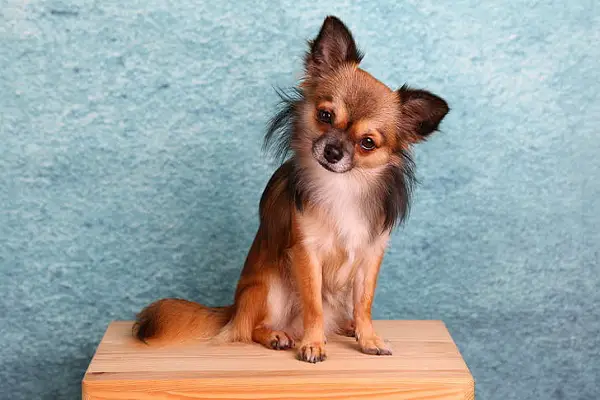
Smooth-coated and long-coated Chihuahuas differ mainly in their coats. Both come in many colors.
Smooth coats need less grooming. Long coats need regular brushing to prevent tangles.
2. Apple Head Chihuahuas
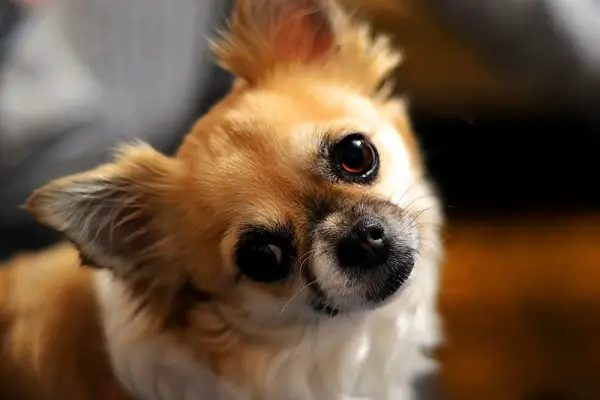
Apple head Chihuahuas have a rounded, dome-shaped skull. The AKC breed standard calls for a well-rounded "apple dome" skull, with or without a molera.
A molera is a soft spot on top of the skull, similar to the fontanelle in human babies. In some Chihuahuas it stays open into adulthood.
3. Deer Head Chihuahuas
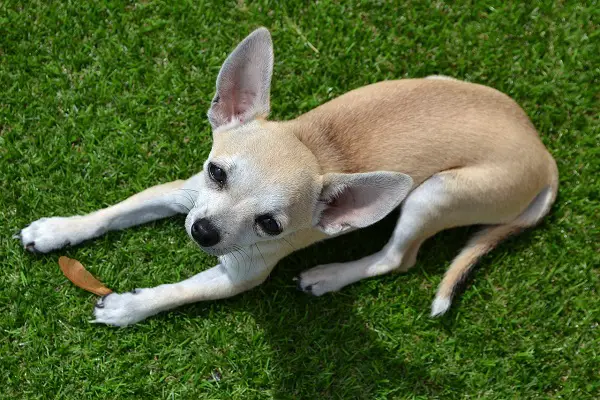
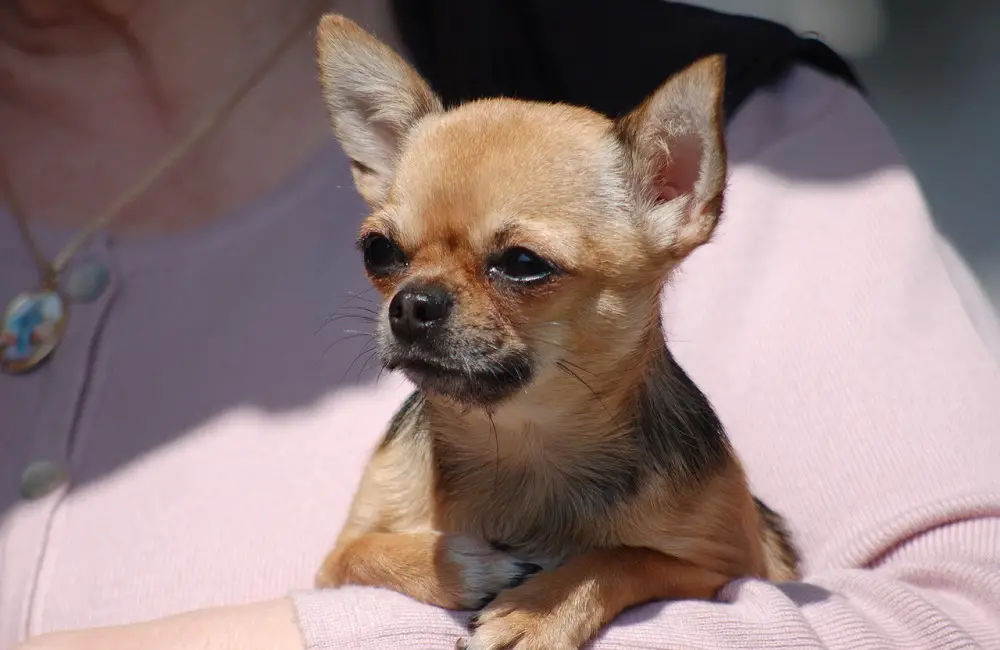
Deer head Chihuahuas have a longer, flatter head and a longer muzzle with less of a step (stop) between the forehead and nose.
They don't match the AKC show standard, but they make perfectly good pets.
4. Teacup Chihuahuas
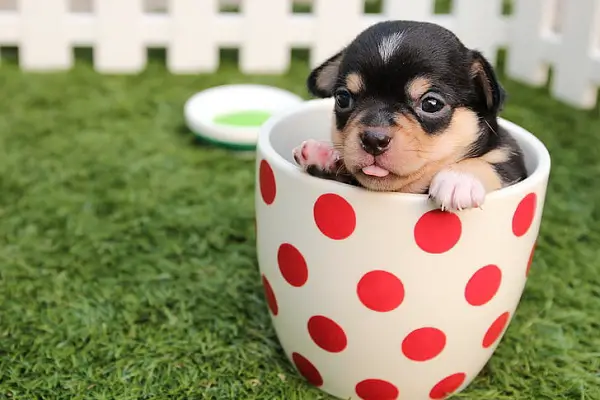
"Teacup" is a marketing term for very small Chihuahuas. It is not a recognized breed or variety.
The AKC standard says a Chihuahua should not exceed 6 pounds. Dogs bred to be extra tiny can be more prone to health problems, so be cautious of breeders who advertise teacup puppies.
Final Words
Chihuahuas aren't born angry. Grumpy behavior usually comes from fear, stress, pain, hormones or a lack of training and socialization.
Rule out health problems with your vet, then use patient, reward-based training and gradual socialization. A Chihuahua that feels safe is far more likely to be a calm, happy companion.
Further reading:
Sources
- Chihuahua Breed Standard, American Kennel Club
- Estrous Cycles in Dogs, VCA Animal Hospitals
- Position Statement on Humane Dog Training, American Veterinary Society of Animal Behavior