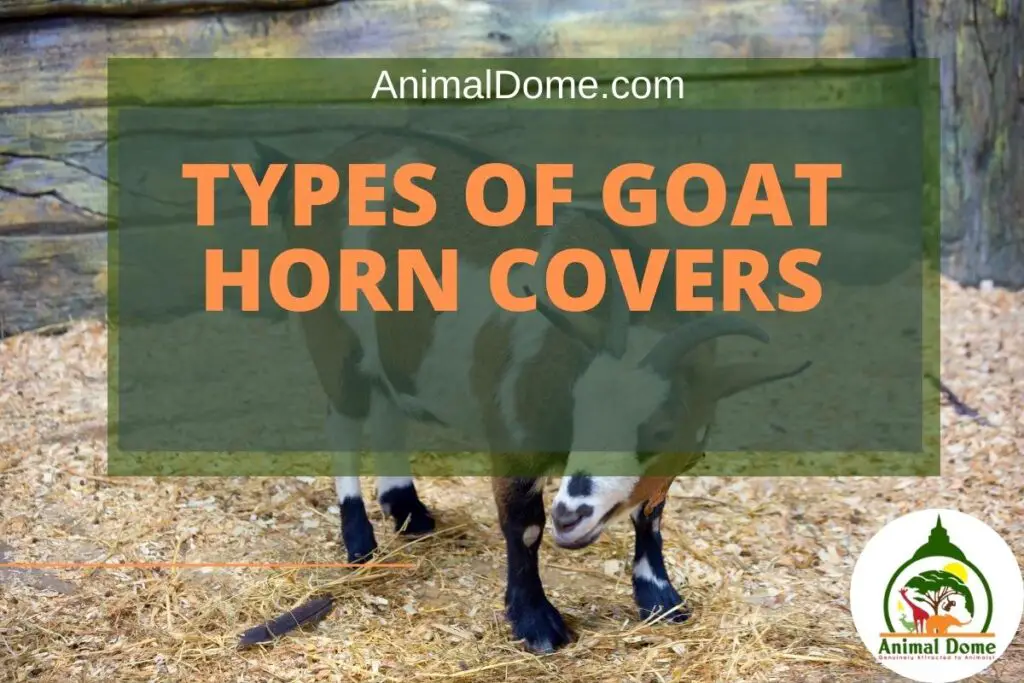
Types of Goat Horn Covers
Contents
Raising goats is fun until they grow horns and start injuring each other, or you. Horn wounds can also become infected.
Goat horn covers are one way to reduce that risk. They slip over the horns, especially the sharp tips, to soften the blows when goats butt heads.
Many owners also choose to disbud kids so horns never grow. Horn covers are an option for goats that already have horns and are kept that way.
In this article, you'll learn why goat horn covers are used and the main types to choose from.
What are Goat Horn Covers?
Goat horn covers fit over a goat's horns to reduce injuries in the herd and to handlers. They come in different sizes and mostly protect the tip, which is the most dangerous part of the horn.
Horns aren't just decoration. Goats use them in dominance and defense, and the blood-rich horns are thought to help release body heat in hot weather.
Horns also have downsides. Horned goats can hurt each other, and their heads can get stuck in fences, feeders, and hay racks.
Why Use Goat Horn Covers?
Horn covers don't change the horns themselves. They simply blunt them. Here are some reasons owners use them.
It's an alternative to dehorning an adult goat
Disbudding stops horns from growing in young kids. The Alabama Cooperative Extension System says disbudding is best done in the first two weeks of life.
Once kids are older than 2 to 3 weeks, removing horns becomes surgical dehorning. ACES says a veterinarian must perform it, adult goats with large horns should be under general anesthesia, and it can leave an opening into the sinus that needs bandaging.
Horns have a large blood supply, so dehorning an adult goat is a major procedure. For an adult goat that already has horns, covers are a much less invasive option.
It helps to prevent injury in the herd
Goats use their horns to set the pecking order in the herd. Rough butting can cause serious wounds, and open wounds can become infected.
With covers in place, the horn tips are blunted, so they are much less likely to puncture another goat's skin.
Your goats keep their horns
When horns are removed, goats lose their natural tool for defense and dominance. Covers let goats keep their horns while making them safer to live with.
Types of Goat Horn Covers
There are several types of goat horn covers, in different sizes. Whichever you use, check them often to make sure they aren't rubbing the skin or trapping moisture.
Pool Noodles
Pool noodles are a common, cheap option. They are lightweight, come in many colors, and are easy to cut to length as horns grow.
Pool noodles are soft polyethylene foam tubes. Cut a piece, slide it over the horn tip, and secure it so the goat can't pull it off and chew it.
Silicone Horn Protector
Silicone horn protectors are soft, clear caps sold in different sizes. Similar caps are also used on cattle and other horned livestock.
They usually have a rounded end where the horn tip rests. Make sure the tip isn't pressing hard into the cap, or it will wear through quickly.
Horn Wraps
Another cheap option is wrapping the horn tips with tape, such as duct tape, to reduce the impact of head-butting.
Some owners tape padding or short sticks along the horn to build up the wrap. Don't wrap so tightly that it rubs or traps dirt against the horn, and replace wraps as they wear.
Rubber Hose
You can also cut a short piece of rubber hose and slip it over the horn tip. Make sure the hose fits easily without squeezing the horn.
Some owners poke small holes in the end to let air through.
Final Thought
You can buy goat horn covers or make them from materials at home. Whichever type you choose, make sure it's easy to put on and remove, and check your goats' horns regularly for rubbing or injury.
Sources
- Herd Health Management: Dairy Goats and Sheep, Alabama Cooperative Extension System