Dog Smegma Infection: Home Care, Treatment and Prevention

Contents
- How to Treat and Prevent Overproduction of Smegma in Dogs?
- Symptoms of Smegma Infection
- Guide on How to Treat Dog Smegma Infection
- Consult a Veterinarian
- Follow Veterinary Advice
- Clean Dog Smegma
- Administer Medications
- Monitor Your Dog
- Maintain Good Hygiene
- Prevent Recurrence
- Prevention of Smegma Infections in the Future
- Final Thoughts
- Frequently Asked Questions
- Are all male dogs prone to smegma infection?
- Can smegma infection be transmitted to human beings?
- Can I treat the smegma infection at home?
- Sources
Dog smegma is not something dog owners love talking about when describing their healthy dogs. It brings a sense of embarrassment to most folks who are not familiar with it.
But you shouldn’t be embarrassed since it is a common condition among male dogs. Instead of shying away from the topic, you should find out how to stop dog smegma at home.
Understanding this condition can help you improve your dog’s health. It will help you understand the cause of the infection and when this normal condition becomes an issue.
How to Treat and Prevent Overproduction of Smegma in Dogs?
Before we talk about dog smegma prevention, we should first define the condition. “Smegma” is a term typically used to describe a substance that can accumulate under the foreskin of a dog’s penis. It consists of dead skin cells, oils, and other bodily fluids.
Smegma can gather around the preputial opening, which is the opening in the skin that covers the dog’s penis. It is usually a small amount of whitish-yellow to slightly greenish discharge.
According to the Merck Veterinary Manual, a slight mucoid preputial discharge is present in many sexually mature dogs and is of little clinical importance.
If you own an adult male dog, expect to see a little smegma around the sheath. It becomes a concern when the discharge gets heavy, pus-like, bloody or smelly, or your dog licks constantly.
Those signs can mean inflammation or infection of the penis and sheath. Bacterial overgrowth, injury, foreign bodies such as grass awns, and growths are among the causes, so knowing the signs matters.
Symptoms of Smegma Infection
Inflammation of the penis and sheath, called balanoposthitis, is what people usually mean by a smegma infection. It can present with various symptoms. If you suspect your male dog may have a smegma infection, it’s essential to consult with a veterinarian. Here are common symptoms associated with a smegma in dogs:
Redness and Swelling: The dog’s genitals may appear red and swollen.
Discharge: The key sign is more discharge than normal from the preputial opening. It is often thick, yellow-green and pus-like and may smell foul.
Licking or Scratching: Dogs with a smegma buildup may show signs of discomfort, such as excessive licking or scratching of the genital area.
Pain or Discomfort: Your dog may exhibit signs of pain or discomfort, especially when urinating or attempting to groom the affected area.
Changes in Behavior: Dogs may display changes in behavior, such as increased irritability or reluctance to be touched in the genital region.
Difficulty Urinating: In severe cases, a dog may experience difficulty urinating or exhibit signs of urinary tract infections.

Guide on How to Treat Dog Smegma Infection
Balanoposthitis is usually not dangerous when treated, but it is uncomfortable and can signal another problem. If you suspect an infection, do the following:
Consult a Veterinarian
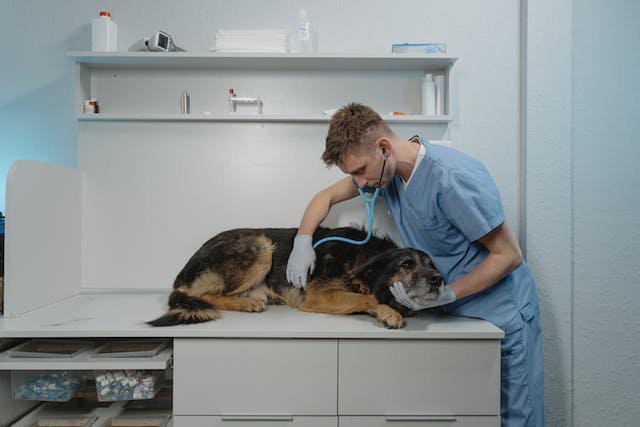
Start by scheduling a visit to the veterinarian, since balanoposthitis can be painful. The vet will be able to confirm the diagnosis, assess the infection’s severity, and recommend an appropriate treatment plan.
At the clinic, the vet will ask you several questions about the symptoms and their behavior. They will conduct an examination and run the following tests to confirm if it is indeed a smegma infection:
- Urinalysis
- Blood work
- Cytology and culture of the discharge
- An exam of the penis and sheath, sometimes with ultrasound or x-rays to check for foreign bodies, tumors or obstructions
Follow Veterinary Advice
Treatment depends on the cause. Merck describes clipping long hair around the sheath opening, flushing the sheath with a dilute antiseptic or sterile saline, and sometimes an antibiotic ointment or oral antibiotics, plus a cone to stop licking.
Clean Dog Smegma
As per your veterinarian’s advice, clean the outside of the sheath gently using warm water or the cleanser your vet recommends. Be careful not to cause additional irritation. Only flush inside the sheath if your vet shows you how. Start by:
Collecting your supplies: Before you start cleaning your pet, you should collect the supplies and have them in one place. Some of these supplies include clean towels, warm water, and a pet-safe antibacterial soap.
Prepare your pet: Pick a calm, comfortable spot and reassure your dog. Some owners clean the area during a normal bath with dog shampoo.
Clean its genital region: Wipe the sheath opening and the fur around it with a soft, damp cloth. Don’t push the sheath back or force the penis out at home.
If the penis ever stays out of the sheath and won’t go back in, call your vet right away. The exposed tissue can swell and dry out.
Dry your dog’s genitals: After you have finished cleaning the dog’s prepuce, you can dry it. Finally, you can let your dog relax in a dry area.
Administer Medications
If prescribed, give any medications exactly as directed by the veterinarian. Finish the full course, even if your dog’s symptoms improve sooner, unless your vet tells you otherwise.
Monitor Your Dog
Keep a close eye on your dog for any changes in behavior, appetite, or the appearance of the infection. If there are any concerns or if the condition doesn’t improve, you should contact your veterinarian promptly.
Maintain Good Hygiene
Follow your veterinarian’s advice on maintaining good hygiene for your dog’s genital region. This may involve regular cleaning, grooming, or other preventive measures.
Prevent Recurrence
Work with your veterinarian to identify and address any underlying causes that may contribute to smegma infections. This could include dietary adjustments, lifestyle changes, or other preventive measures.
Remember that each dog is unique, and the appropriate treatment may vary based on the specific circumstances of your pet. Seeking professional veterinary care is crucial for an accurate diagnosis and effective treatment.
If you notice any signs of infection or discomfort in your dog’s genital region, it’s best to consult a veterinarian.

Prevention of Smegma Infections in the Future
Preventing future smegma infections in your dog involves maintaining good hygiene, addressing any underlying health issues, and incorporating preventive measures. Here are some steps you can take to help prevent smegma infections in your dog:
Regular Cleaning: Gently wipe away visible smegma from the outside of the sheath during grooming, using warm water. Don’t over-clean; normal discharge doesn’t need treatment.
Maintain Good Hygiene: Keep the genital area dry and clean. Moisture can contribute to the buildup of smegma.
Grooming: Regularly groom your dog, paying attention to the genital region. Trimming the hair around this area can help reduce the risk of debris accumulation.
Diet and Nutrition: Provide a well-balanced and nutritious diet to support your dog’s overall health, including skin health.
Regular Veterinary Check-ups: Schedule routine veterinary check-ups. Regular examinations allow your veterinarian to identify and address any potential health issues, including those related to the genital area.
Address Underlying Issues: Work with your veterinarian to identify and address any underlying health issues that may contribute to smegma infections. This could include allergies, urinary tract issues, or other conditions.
Promote a Healthy Lifestyle: Ensure your dog gets regular exercise and lives in a clean environment. A healthy lifestyle can contribute to overall well-being, including skin and genital health.
Monitor Behavior: Be attentive to changes in your dog’s behavior, especially signs of discomfort or irritation in the genital area. Promptly address any concerns by consulting with your veterinarian.
Neutering: Merck notes that castration may lessen genital secretions but will not eliminate them. Discuss the pros and cons with your vet.
Remember that prevention is key, and early detection of any potential issues can help maintain your dog’s health. If you have specific concerns or notice any signs of infection, consult with your veterinarian for personalized advice and guidance.
Final Thoughts
Normal smegma is a small amount of discharge that doesn’t bother your dog. If the amount, color or smell changes, or the sheath looks red and swollen, call your vet.
Your vet can find the cause, treat it and show you how to keep the area clean. Neutering may reduce secretions but won’t stop them.
Frequently Asked Questions
Are all male dogs prone to smegma infection?
Most adult male dogs produce some smegma. Neutered dogs can still get balanoposthitis, though castration may lessen genital secretions.
Can smegma infection be transmitted to human beings?
Most cases are not considered a risk to people, but some bacteria can spread between pets and people. Wear disposable gloves when cleaning the area and wash your hands afterward.
Can I treat the smegma infection at home?
Normal smegma only needs gentle wiping, not medication. Don’t use leftover or human antibiotics or creams. If you notice redness, swelling, or a change in the amount, color or odor of the discharge, contact your vet.
Sources
- Balanoposthitis in Dogs and Cats, Merck Veterinary Manual
- Urinary tract infections, Cornell University College of Veterinary Medicine